



At a glance
Summary
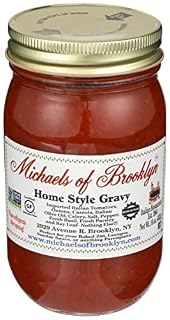
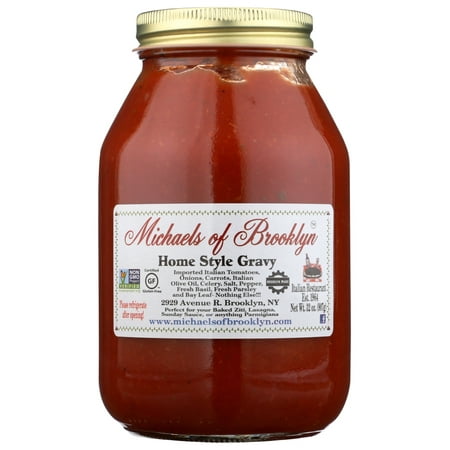
This traditional gravy contains several beneficial ingredients such as olive oil, which is a healthy fat, and a variety of vegetables and spices that provide antioxidants and nutrients. However, it is classified as ultra-processed due to the inclusion of 'natural flavour', which lacks transparency and may contain additives. The processing level limits its score despite the presence of healthy components.
Key ingredients 14
Olive OilGood
Olive oil is a healthy fat known for its monounsaturated fatty acids. It supports heart health and has anti-inflammatory properties. Cold-pressed extraction preserves its beneficial compounds.
Benefits
Rich in monounsaturated fats that support heart health and provide anti-inflammatory properties.
Citrus & Vegetable FibreGood
Citrus and vegetable fibre are sources of dietary fiber. They aid in digestion and promote gut health. They are minimally processed and retain natural nutrients.
Benefits
Supports digestive health and provides dietary fiber.
Pink Himalayan SaltGood
Pink Himalayan salt is a mineral-rich salt with trace elements. It is less processed than table salt and contains natural minerals. It is often used for its flavor and mineral content.
Risks
Excessive consumption can lead to high sodium intake.
Benefits
Provides trace minerals and is a natural source of sodium.
CocoaGood
Cocoa is rich in antioxidants and flavonoids. It supports heart health and may improve mood. It is minimally processed in its natural form.
Risks
May contain caffeine and theobromine, which can affect sensitive individuals.
Benefits
Rich in antioxidants that support heart health and may improve mood.
TomatoGood
Tomatoes are a source of vitamins and antioxidants like lycopene. They support heart health and have anti-inflammatory properties. They are minimally processed and retain natural nutrients.
Benefits
Rich in vitamins and antioxidants that support heart health.
CarrotGood
Carrots are rich in beta-carotene and fiber. They support eye health and digestion. They are minimally processed and retain natural nutrients.
Benefits
Rich in beta-carotene, supporting eye health and providing dietary fiber.
OnionGood
Onions are rich in antioxidants and have anti-inflammatory properties. They support immune health and add flavor. They are minimally processed and retain natural nutrients.
Benefits
Rich in antioxidants and supports immune health.
GarlicGood
Garlic is known for its immune-boosting properties. It contains allicin, which has antimicrobial effects. It is minimally processed and retains natural nutrients.
Risks
May cause digestive discomfort in some individuals.
Benefits
Supports immune health and has antimicrobial properties.
Black PepperGood
Black pepper is rich in piperine, which enhances nutrient absorption. It has antioxidant properties and adds flavor. It is minimally processed and retains natural nutrients.
Benefits
Enhances nutrient absorption and has antioxidant properties.
WaterNeutral
Water is a neutral ingredient used as a base in many food products. It does not contribute any calories or nutrients. It serves as a solvent and carrier for other ingredients.
See more about Water →Corn StarchNeutral
Corn starch is a common thickening agent in cooking. It is highly processed and provides no significant nutrients. It is used to improve texture and consistency.
Risks
Excessive consumption may contribute to high blood sugar levels.
Rice FlourNeutral
Rice flour is a gluten-free alternative to wheat flour. It is used as a thickening agent and provides a smooth texture. It is low in nutrients compared to whole grains.
Risks
May contribute to high blood sugar levels if consumed in large amounts.
Benefits
Provides a gluten-free option for those with celiac disease or gluten sensitivity.
Bay LeavesNeutral
Bay leaves are used for flavoring in cooking. They are not consumed directly and provide minimal nutrients. They are minimally processed and used for their aromatic properties.
Benefits
Adds flavor and aroma to dishes.
Natural FlavourBad
Natural flavour is a vague term that can include a variety of substances. It lacks transparency and may contain additives. It is often used to enhance taste without providing nutritional value.
Risks
Potential for undisclosed additives and allergens.
Processing
Ultra-Processed Foods
Get the full breakdown in the Scout appTake Scout shopping
Scan any product to see lab results, healthy alternatives, and your personalized analysis.
Download on theApp Store GET IT ONGoogle Play