
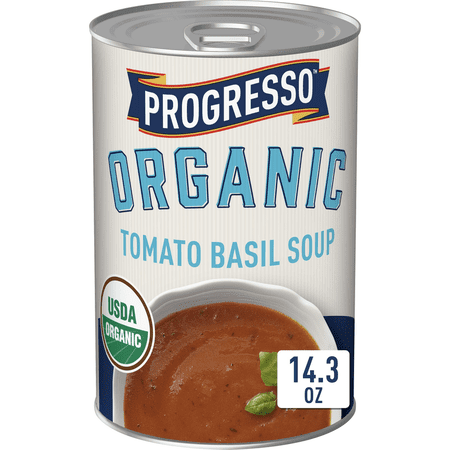


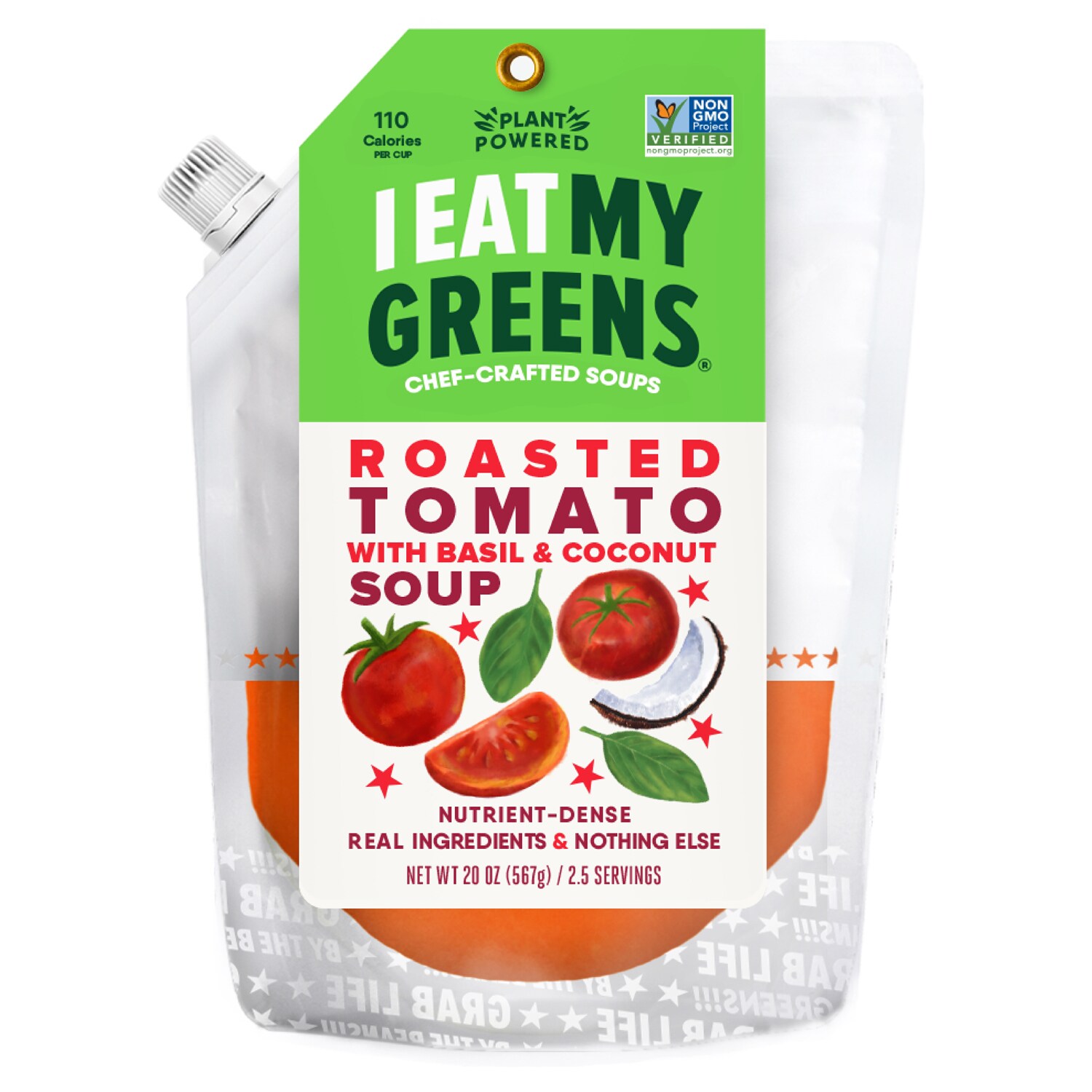
Progresso Organic Tomato Basil Soup
Analysis updated May 2026 · How Scout scores
At a glance
Summary
This soup features a clean ingredient list with several organic components, such as tomato puree and carrot puree, which contribute beneficial nutrients and antioxidants. However, the presence of sunflower oil, a seed oil high in omega-6 fatty acids, is a concern due to its potential inflammatory effects. The product is moderately processed, which limits its score despite the organic certification and absence of artificial additives.
Key ingredients 12
Tomato pureeGood
Tomato puree is a concentrated source of tomatoes, providing a rich flavor and nutritional benefits. It is high in lycopene, an antioxidant linked to reduced risk of certain diseases. The organic certification ensures minimal pesticide exposure.
Benefits
Rich in vitamins A and C, and lycopene, which may support heart health and reduce inflammation.
Carrot pureeGood
Carrot puree adds natural sweetness and nutrients to the soup. It is rich in beta-carotene, which the body converts to vitamin A. The organic certification ensures reduced pesticide exposure.
Benefits
High in beta-carotene and fiber, supporting eye health and digestion.
OnionGood
Onion adds flavor and nutritional value to the soup. It contains antioxidants and compounds that may support heart health. The organic certification suggests fewer pesticide residues.
Benefits
Contains antioxidants and sulfur compounds that may support cardiovascular health.
Sea saltGood
Unrefined sea salt — a minimally processed, natural source of sodium and essential trace minerals, and a legitimate whole-food seasoning. Treated as a positive ingredient.
Risks
Excessive sodium intake can lead to high blood pressure and cardiovascular issues.
Benefits
Provides essential sodium for bodily functions but should be consumed in moderation.
BasilGood
Basil adds flavor and potential health benefits to the soup. It contains antioxidants and essential oils that may have anti-inflammatory effects. The organic certification ensures reduced pesticide exposure.
Benefits
Contains antioxidants and essential oils that may support health and reduce inflammation.
Garlic powderGood
Garlic powder provides flavor and potential health benefits. It contains compounds like allicin, which may support heart health and immune function. The organic label suggests minimal chemical use in production.
Benefits
Contains allicin and other compounds that may support cardiovascular and immune health.
Black pepperGood
Black pepper enhances flavor and may aid digestion. It contains piperine, which can enhance the absorption of certain nutrients. The organic certification indicates reduced pesticide exposure.
Benefits
Contains piperine, which may enhance nutrient absorption and support digestion.
WaterNeutral
Water is used as a base in soups to provide volume and consistency. It is essential for hydration and does not contribute calories or nutrients. In this context, it serves as a neutral carrier for other ingredients.
See more about Water →Corn starchNeutral
Corn starch is used as a thickening agent in soups. It is a refined carbohydrate that provides texture but little nutritional value. The organic label indicates it is produced without synthetic chemicals.
See more about Corn starch →Cane sugarBad
Processed additive flagged under Scout's ingredient doctrine.
Risks
Excessive consumption of sugar can lead to health issues such as obesity and diabetes.
Benefits
Provides a quick source of energy but lacks significant nutritional benefits.
Wheat flourBad
Refined grain flour stripped of bran and germ.
Risks
May cause allergic reactions or digestive issues in individuals with gluten intolerance or celiac disease.
Benefits
Provides carbohydrates for energy and some protein.
Sunflower oilVery Bad
Sunflower oil is a seed oil high in omega-6 fatty acids, which can promote inflammation if consumed in excess. It is often refined, which may reduce its nutritional quality. Despite being organic, it is still considered a poor choice compared to healthier fats.
Risks
High omega-6 content may promote inflammation when consumed in excess.
Processing
Processed Foods
Get the full breakdown in the Scout appTake Scout shopping
Scan any product to see lab results, healthy alternatives, and your personalized analysis.
Download on theApp Store GET IT ONGoogle PlayAmazon pricing & content
Amazon price as of . Product prices and availability are accurate as of the date/time indicated and are subject to change. Any price and availability information displayed on Amazon.com at the time of purchase will apply to the purchase of this product.
CERTAIN CONTENT THAT APPEARS ON THIS SITE COMES FROM AMAZON. THIS CONTENT IS PROVIDED “AS IS” AND IS SUBJECT TO CHANGE OR REMOVAL AT ANY TIME.