


At a glance
Summary
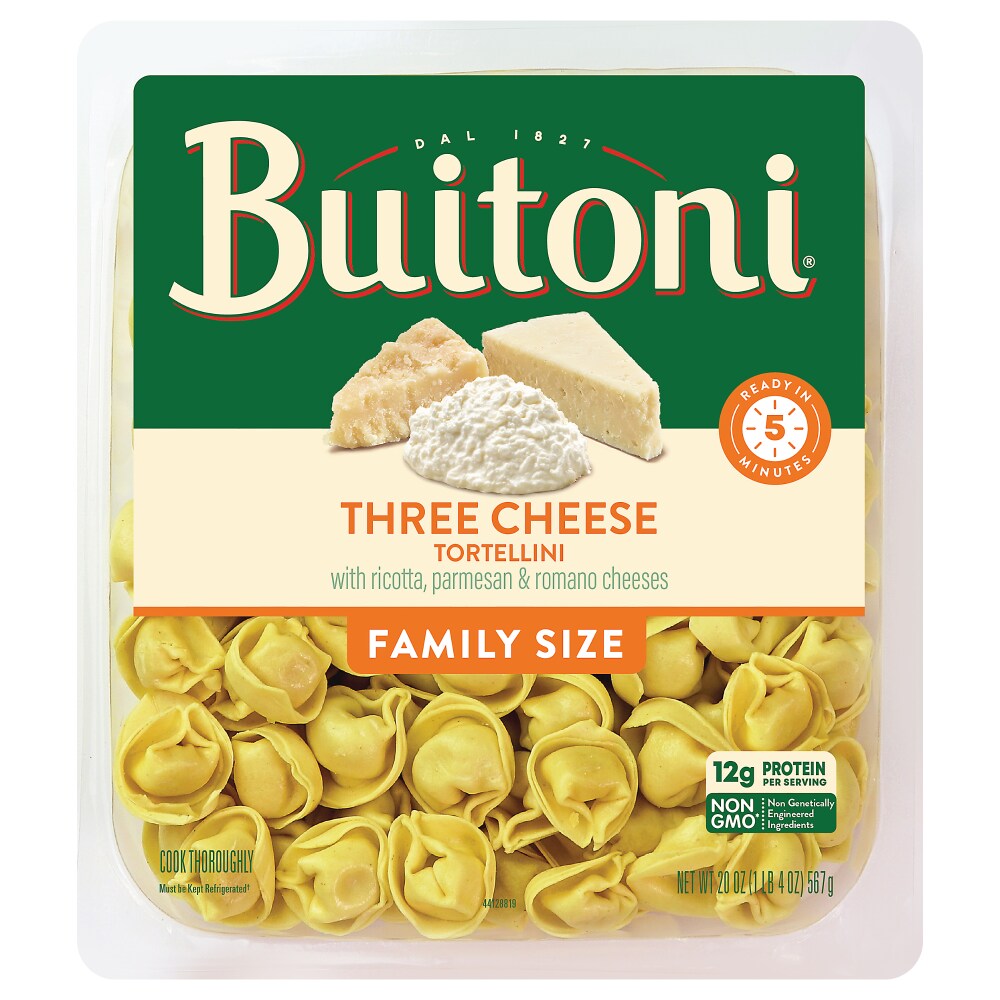
This tortellini product contains several high-quality ingredients such as durum wheat semolina, eggs, and various cheeses, which provide good protein and nutrient content. However, the presence of sunflower oil, a seed oil known for its inflammatory potential, negatively impacts the healthiness of the product. Additionally, the product is processed, which limits its score due to the level of processing involved.
Key ingredients 18
EggsVery Good
Eggs are a high-quality protein source with essential amino acids. They contain important nutrients like choline and vitamins A, D, E, and B12. Eggs are versatile and support muscle health and brain function.
Risks
Some individuals may be allergic to eggs, and excessive consumption can lead to high cholesterol levels.
Benefits
Provide high-quality protein and essential nutrients that support overall health, including muscle maintenance and cognitive function.
Ricotta CheeseGood
Ricotta cheese is a fresh cheese made from whey, providing protein and calcium. It is lower in fat compared to other cheeses and offers a creamy texture. It supports bone health and muscle maintenance.
Risks
Contains lactose, which may cause digestive issues for lactose-intolerant individuals.
Benefits
Rich in protein and calcium, supporting bone health and muscle maintenance.
Low Moisture Mozzarella CheeseGood
Low moisture mozzarella cheese is a good source of protein and calcium. It is lower in moisture, which extends shelf life and enhances flavor. It supports bone health and provides essential nutrients.
Risks
Contains lactose and may cause issues for those with lactose intolerance.
Benefits
Provides protein and calcium, essential for bone health and muscle function.
Romano CheeseGood
Romano cheese is a hard cheese rich in protein and calcium. It has a strong flavor and is used in small amounts to enhance dishes. It supports bone health and provides essential nutrients.
Risks
Contains lactose and may cause issues for those with lactose intolerance.
Benefits
Rich in protein and calcium, supporting bone health and providing a strong flavor to dishes.
Asiago CheeseGood
Asiago cheese is a semi-hard cheese with a nutty flavor, rich in protein and calcium. It is aged, which enhances its flavor profile. It supports bone health and provides essential nutrients.
Risks
Contains lactose and may cause issues for those with lactose intolerance.
Benefits
Provides protein and calcium, essential for bone health and muscle function.
Parmesan CheeseGood
Parmesan cheese is a hard, aged cheese rich in protein and calcium. It has a strong flavor and is used in small amounts to enhance dishes. It supports bone health and provides essential nutrients.
Risks
Contains lactose and may cause issues for those with lactose intolerance.
Benefits
Rich in protein and calcium, supporting bone health and providing a strong flavor to dishes.
NutmegGood
Nutmeg is a spice used for flavoring, with potential antioxidant properties. It is used in small amounts to enhance the taste of dishes. It may support digestive health and provide some micronutrients.
Risks
Excessive consumption can lead to toxicity, but typical culinary use is safe.
Benefits
Provides flavor and potential antioxidant benefits, supporting digestive health in small amounts.
Black PepperGood
Black pepper is a spice with potential antioxidant and anti-inflammatory properties. It enhances flavor and may improve nutrient absorption. It is widely used in culinary applications for its health benefits.
Benefits
Enhances flavor and may improve nutrient absorption, providing antioxidant and anti-inflammatory benefits.
Durum Wheat SemolinaNeutral
Standard formulation ingredient — neither beneficial nor harmful at typical use.
Risks
Contains gluten, which can be problematic for those with celiac disease or gluten sensitivity.
Benefits
Rich in protein and provides a good source of energy, making it beneficial for muscle maintenance and energy levels.
WaterNeutral
Water is used as a solvent and to hydrate ingredients in food processing. It is essential for life but does not provide nutrients. It is a neutral component in food products.
Benefits
Essential for hydration and helps in the processing and mixing of ingredients.
SaltNeutral
Salt is used to enhance flavor and preserve food. It is necessary for bodily functions but should be consumed in moderation. Excessive intake can lead to health issues like hypertension.
Risks
High sodium intake can contribute to hypertension and cardiovascular diseases.
Benefits
Enhances flavor and is essential for maintaining fluid balance and nerve function.
Beta Carotene ColorNeutral
Beta carotene is a natural colorant derived from plants. It is used to enhance the visual appeal of food products. It is generally considered safe and may provide some antioxidant benefits.
Benefits
May provide antioxidant benefits and is a precursor to vitamin A, supporting vision and immune health.
BreadcrumbsNeutral
Breadcrumbs are used for texture and binding in food products. They are made from refined flour and may contain additives. They provide carbohydrates but are low in nutrients.
Risks
May contain gluten and additives that could cause sensitivities in some individuals.
Benefits
Adds texture and binding properties to food products, though it offers limited nutritional benefits.
Potato FlakesNeutral
Potato flakes are dehydrated potatoes used for texture and flavor. They are a source of carbohydrates but lose some nutrients during processing. They are versatile in food applications.
Benefits
Provides carbohydrates and is versatile in enhancing texture and flavor in food products.
Potato StarchNeutral
Potato starch is used as a thickener and stabilizer in food products. It is a refined carbohydrate with no significant nutrients. It is gluten-free and suitable for those with gluten intolerance.
Benefits
Provides a gluten-free thickening option for food products, though it offers limited nutritional benefits.
Dried Citrus PulpNeutral
Dried citrus pulp is used for flavor and fiber in food products. It is a byproduct of citrus processing and may contain some nutrients. It adds a subtle citrus flavor and fiber content.
Benefits
Adds flavor and fiber to food products, though it is used in small amounts.
Wheat FlourBad
Refined grain flour stripped of bran and germ.
Risks
May cause allergic reactions or digestive issues in individuals with gluten intolerance or celiac disease.
Benefits
Provides energy through carbohydrates and contains some protein, though it lacks fiber and micronutrients due to refining.
Sunflower OilVery Bad
Sunflower oil is a seed oil high in omega-6 fatty acids, which can promote inflammation. It is highly processed and lacks beneficial nutrients. It is not recommended for regular consumption due to its inflammatory potential.
Risks
High omega-6 content may promote inflammation when consumed in excess.
Processing
Processed Foods
Get the full breakdown in the Scout appTake Scout shopping
Scan any product to see lab results, healthy alternatives, and your personalized analysis.
Download on theApp Store GET IT ONGoogle Play