
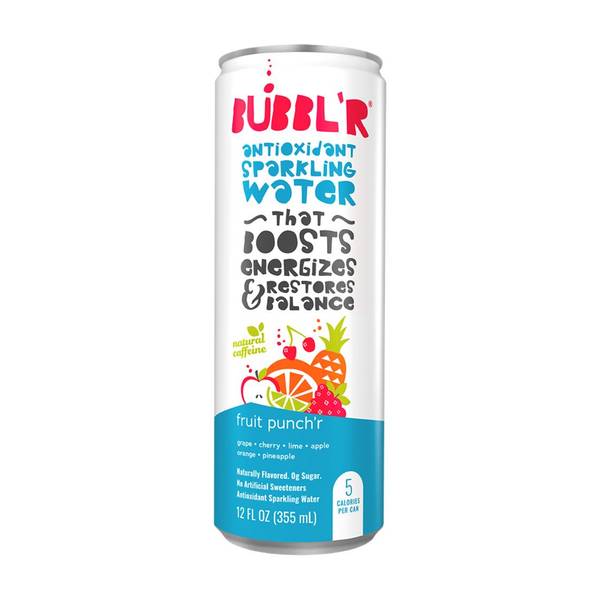



Bubbl'r 12 oz Fruit Punch'r
Analysis updated August 2026 · How Scout scores
At a glance
Summary
This beverage contains several beneficial vitamins and natural caffeine sources, which are positive aspects. However, it includes preservatives like potassium benzoate and potassium sorbate, which are used to extend shelf life but can raise health concerns. The presence of 'natural flavor' also indicates a level of processing that detracts from the overall ingredient quality, limiting the score despite the inclusion of some beneficial nutrients.
Key ingredients 18
NiacinamideGood
Niacinamide is a form of vitamin B3 used to fortify foods and beverages. It supports energy metabolism and skin health. It is an essential nutrient with several health benefits.
Benefits
Supports energy metabolism and contributes to skin health.
D-Calcium PantothenateGood
D-calcium pantothenate is a form of vitamin B5 used to fortify foods and beverages. It plays a role in energy production and the synthesis of fatty acids. It is an essential nutrient with several health benefits.
Benefits
Supports energy production and fatty acid synthesis.
Guarana Seed ExtractGood
Guarana seed extract is a natural source of caffeine and antioxidants. It is used to enhance energy and alertness. It is valued for its stimulant properties and potential health benefits.
Risks
Excessive consumption may lead to caffeine-related side effects.
Benefits
Provides natural caffeine and antioxidants that enhance energy and alertness.
Pyridoxine HCLGood
Pyridoxine HCL is a form of vitamin B6 used to fortify foods and beverages. It supports brain health and energy metabolism. It is an essential nutrient with several health benefits.
Benefits
Supports brain health and energy metabolism.
CyanocobalaminGood
Cyanocobalamin is a form of vitamin B12 used to fortify foods and beverages. It supports nerve function and the production of red blood cells. It is an essential nutrient with several health benefits.
Benefits
Supports nerve function and red blood cell production.
Carbonated WaterNeutral
Carbonated water is simply water infused with carbon dioxide gas under pressure. It is generally considered neutral as it does not provide significant nutritional benefits or risks. It serves as a base for the beverage without adding calories or sugars.
See more about Carbonated Water →ErythritolNeutral
Erythritol is a sugar alcohol used as a low-calorie sweetener. It is generally well-tolerated and does not spike blood sugar levels. However, excessive consumption may cause digestive discomfort.
Risks
Excessive consumption may lead to digestive issues such as bloating or diarrhea.
Benefits
Provides sweetness without the calories or blood sugar impact of regular sugar.
Citric AcidNeutral
Citric acid is a natural acid found in citrus fruits, used as a preservative and flavor enhancer. It is generally recognized as safe and adds a tangy flavor to beverages. It is widely used in food processing without significant health concerns.
Benefits
Enhances flavor and acts as a preservative to extend shelf life.
Vegetable JuiceNeutral
Vegetable juice is used for coloring purposes in beverages. It is a natural alternative to artificial dyes, providing color without synthetic additives. However, it does not contribute significant nutritional value in small amounts.
Benefits
Provides natural coloring without synthetic additives.
Stevia Leaf ExtractNeutral
Stevia leaf extract is a natural sweetener derived from the stevia plant. It provides sweetness without calories and is generally considered safe. It is a popular alternative to artificial sweeteners.
Benefits
Offers a calorie-free sweetening option derived from a natural source.
PectinNeutral
Pectin is a natural fiber found in fruits, used as a gelling agent in foods. It is generally recognized as safe and can aid in digestion. It is used in small amounts in beverages for texture.
Benefits
May aid digestion due to its fiber content.
Sodium CitrateNeutral
Sodium citrate is a salt of citric acid used to enhance flavor and maintain acidity. It is generally recognized as safe and helps stabilize the beverage's pH. It is commonly used in processed foods and beverages.
Benefits
Helps maintain acidity and enhances flavor.
Fruit JuiceNeutral
Fruit juice is used for natural coloring in beverages. It provides a natural alternative to artificial dyes but does not contribute significant nutritional value in small amounts. It is generally considered safe and preferable to synthetic colors.
Benefits
Provides natural coloring without synthetic additives.
CaffeineNeutral
Caffeine is a natural stimulant found in coffee, tea, and certain plants. It is used to enhance alertness and energy levels. While moderate consumption is generally safe, excessive intake can lead to negative health effects.
Risks
Excessive consumption may lead to insomnia, jitteriness, or increased heart rate.
Benefits
Enhances alertness and energy levels.
Vitamin A PalmitateNeutral
Standard formulation ingredient — neither beneficial nor harmful at typical use.
Risks
Excessive intake may lead to hypervitaminosis A.
Benefits
Supports vision and immune function.
Potassium BenzoateBad
Potassium benzoate is a preservative used to prevent spoilage and extend shelf life. It can form benzene, a carcinogen, when combined with vitamin C under certain conditions. Its use is limited due to potential health concerns.
Risks
May form benzene, a potential carcinogen, when combined with vitamin C.
Benefits
Extends shelf life by preventing microbial growth.
Natural FlavorBad
Natural flavor is a catch-all term for flavoring agents derived from natural sources. The lack of transparency in its composition can be concerning for consumers. It is often criticized for being overly processed despite its natural origin.
Risks
Lack of transparency in composition may pose concerns for sensitive individuals.
Benefits
Enhances the flavor profile of the beverage.
Potassium SorbateBad
Potassium sorbate is a preservative used to inhibit mold and yeast growth. While generally recognized as safe, it can cause allergic reactions in sensitive individuals. Its use is common in processed foods to extend shelf life.
Risks
May cause allergic reactions in sensitive individuals.
Benefits
Prevents spoilage by inhibiting mold and yeast growth.
Processing
Processed Foods
Get the full breakdown in the Scout appTake Scout shopping
Scan any product to see lab results, healthy alternatives, and your personalized analysis.
Download on theApp Store GET IT ONGoogle PlayAmazon pricing & content
Amazon price as of . Product prices and availability are accurate as of the date/time indicated and are subject to change. Any price and availability information displayed on Amazon.com at the time of purchase will apply to the purchase of this product.
CERTAIN CONTENT THAT APPEARS ON THIS SITE COMES FROM AMAZON. THIS CONTENT IS PROVIDED “AS IS” AND IS SUBJECT TO CHANGE OR REMOVAL AT ANY TIME.