



At a glance
Summary
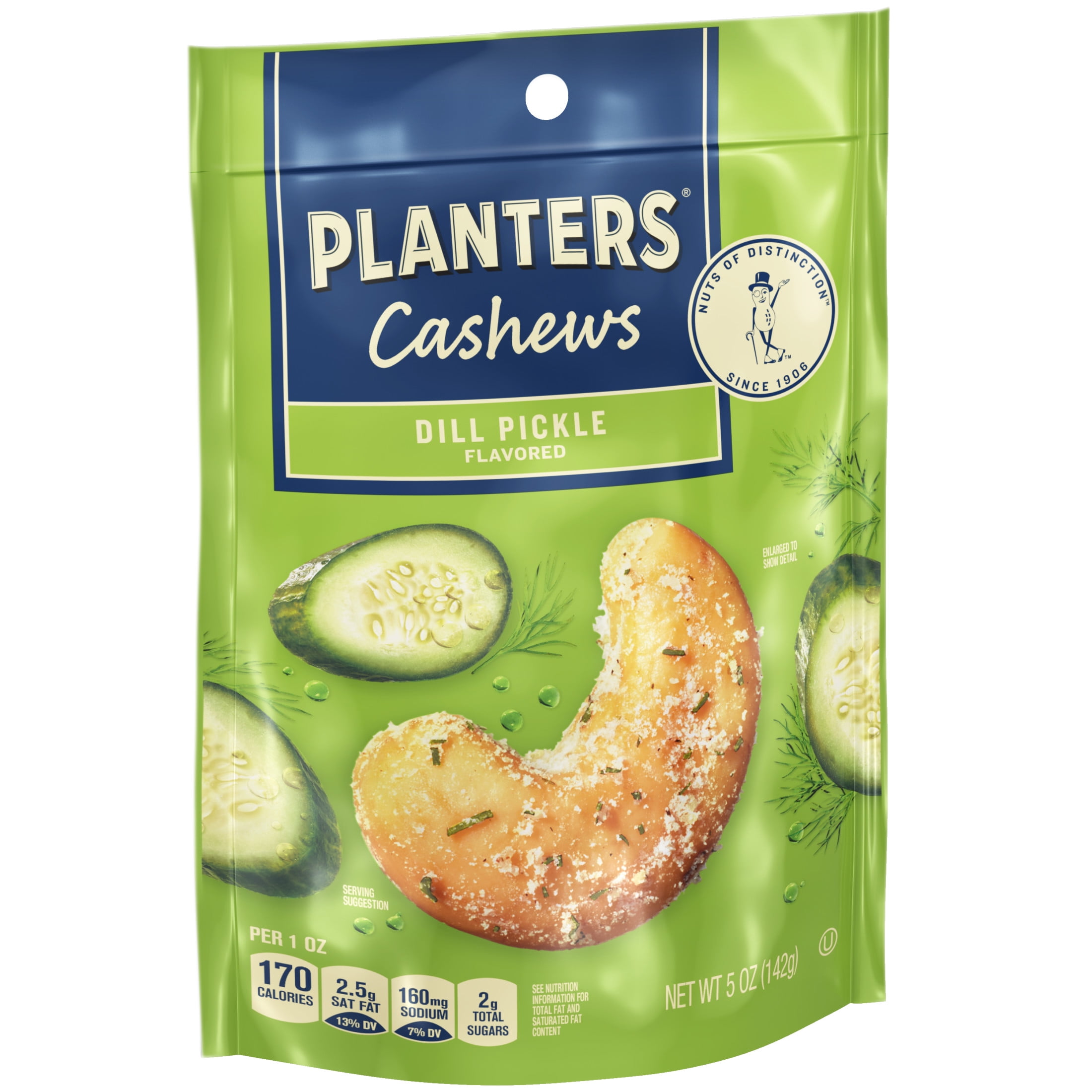
This product contains nutrient-rich almonds and cashews, which are beneficial for heart health and provide essential minerals. However, the presence of maltodextrin and natural flavors, both of which are highly processed, detracts from its nutritional quality. The product's ultra-processed nature further limits its score potential, despite the absence of seed oils.
Key ingredients 15
AlmondsGood
Almonds are a nutrient-dense food rich in healthy fats, protein, and fiber. They provide essential vitamins and minerals such as vitamin E and magnesium. Their consumption is associated with improved heart health and reduced inflammation.
Benefits
Rich in monounsaturated fats, fiber, and antioxidants, supporting heart health and reducing oxidative stress.
CashewsGood
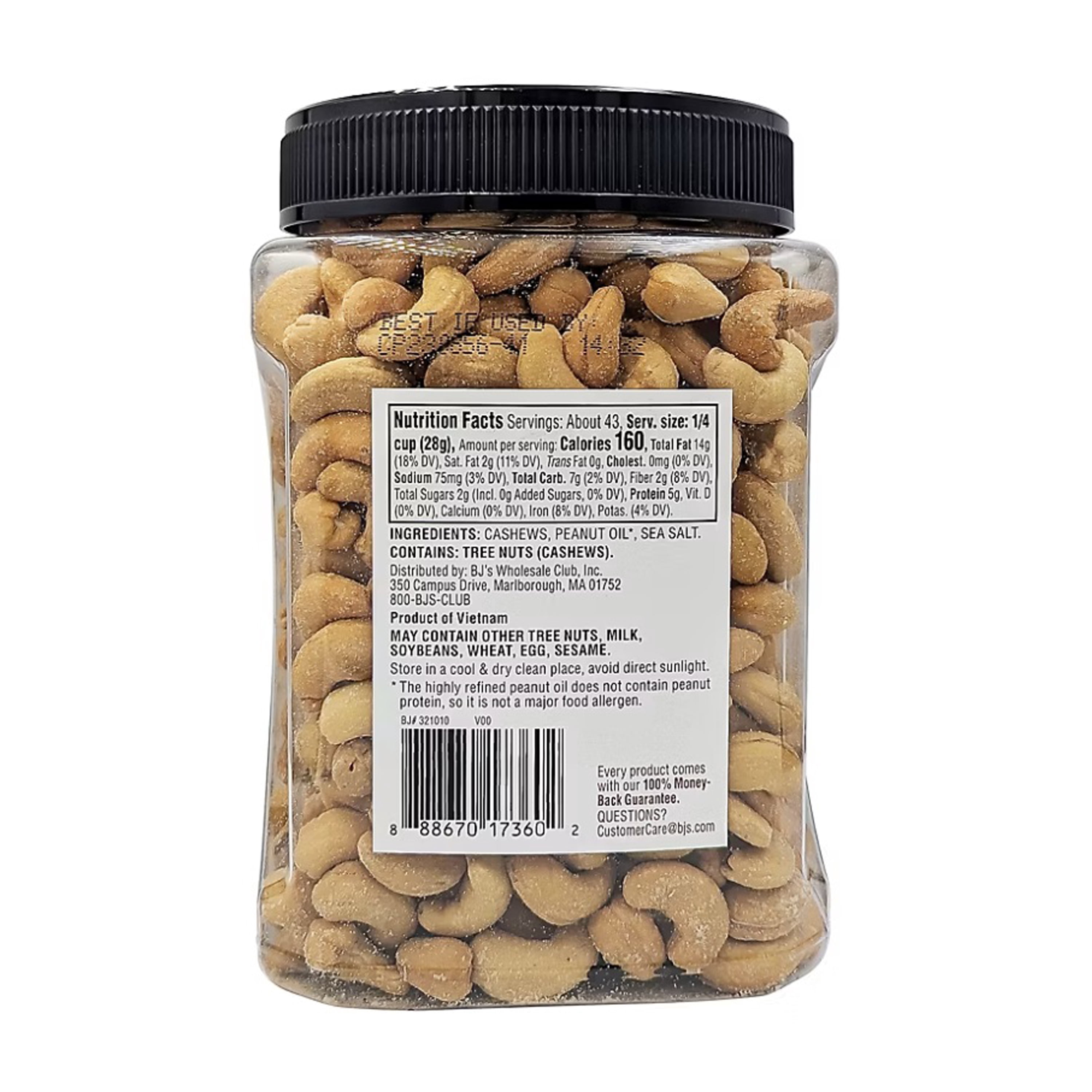
Cashews are a good source of healthy fats, protein, and essential minerals like magnesium and zinc. They support bone health and immune function. Their creamy texture makes them a popular choice for plant-based diets.
Benefits
Provides healthy fats and essential minerals that support overall health and well-being.
Sea SaltGood
Sea salt is a minimally processed salt that contains trace minerals. It is often considered a healthier alternative to refined table salt. Its mineral content can support electrolyte balance.
Risks
Excessive consumption can lead to high blood pressure and cardiovascular issues.
Benefits
Contains trace minerals that support electrolyte balance and overall health.
Garlic PowderGood
Concentrated whole-food seasoning.
Benefits
Provides flavor and some antioxidants, though less than fresh garlic.
SpicesGood
Whole-food seasonings, antioxidant-bearing.
Benefits
Enhances flavor and may provide antioxidants and other health benefits.
SaltNeutral
Salt is a common seasoning that enhances flavor but provides no nutritional benefits. Excessive consumption can lead to high blood pressure and other health issues. It is essential to monitor intake to maintain health.
Risks
Excessive consumption can lead to high blood pressure and cardiovascular issues.
Onion PowderNeutral
Onion powder is a dehydrated form of onion used for flavoring. It retains some of the antioxidant properties of fresh onions. However, the processing reduces its overall nutritional content.
Benefits
Provides flavor and some antioxidants, though less than fresh onions.
YeastNeutral
Yeast is used in food products for fermentation and flavor enhancement. It can provide B vitamins and protein. However, its nutritional contribution in small amounts is minimal.
Benefits
Provides B vitamins and protein, though in minimal amounts.
Distilled VinegarNeutral
Distilled vinegar is used for flavoring and preservation. It is made through the fermentation of ethanol and has antimicrobial properties. Its nutritional value is negligible.
Benefits
Provides flavor and has antimicrobial properties.
Citric AcidNeutral
Citric acid is a natural preservative and flavor enhancer found in citrus fruits. It is used to add acidity and preserve freshness in foods. While generally safe, excessive consumption can cause digestive discomfort.
Risks
Excessive consumption may cause digestive discomfort in sensitive individuals.
Benefits
Acts as a natural preservative and enhances flavor.
Cultured Celery PowderNeutral
Cultured celery powder is used as a natural preservative due to its nitrate content. It is often used in processed meats as a curing agent. While it provides a natural alternative to synthetic preservatives, its health impact is similar.
Risks
Contains nitrates, which in excess can be harmful.
Benefits
Acts as a natural preservative and curing agent.
Silicon DioxideNeutral
Silicon dioxide is an anti-caking agent used to prevent clumping in powdered foods. It is generally recognized as safe by food safety authorities. Its nutritional contribution is negligible.
Benefits
Prevents clumping in powdered foods, ensuring product consistency.
Peanut OilBad
Processed additive flagged under Scout's ingredient doctrine.
Risks
High omega-6 content may promote inflammation when consumed in excess.
Benefits
Contains monounsaturated fats that can support heart health when used in moderation.
MaltodextrinBad
Maltodextrin is a highly processed carbohydrate used as a thickener or filler. It has a high glycemic index, which can spike blood sugar levels. Its use in processed foods is often linked to reduced nutritional quality.
Risks
May cause rapid blood sugar spikes and is linked to reduced gut health when consumed in large amounts.
Natural FlavorsBad
Natural flavors are additives used to enhance taste, derived from natural sources but heavily processed. They can contain a variety of chemical compounds, making their health impact uncertain. Their use is often criticized for lack of transparency.
Risks
Lack of transparency and potential for containing various chemical compounds.
Processing
Ultra-Processed Foods
Get the full breakdown in the Scout appTake Scout shopping
Scan any product to see lab results, healthy alternatives, and your personalized analysis.
Download on theApp Store GET IT ONGoogle Play