
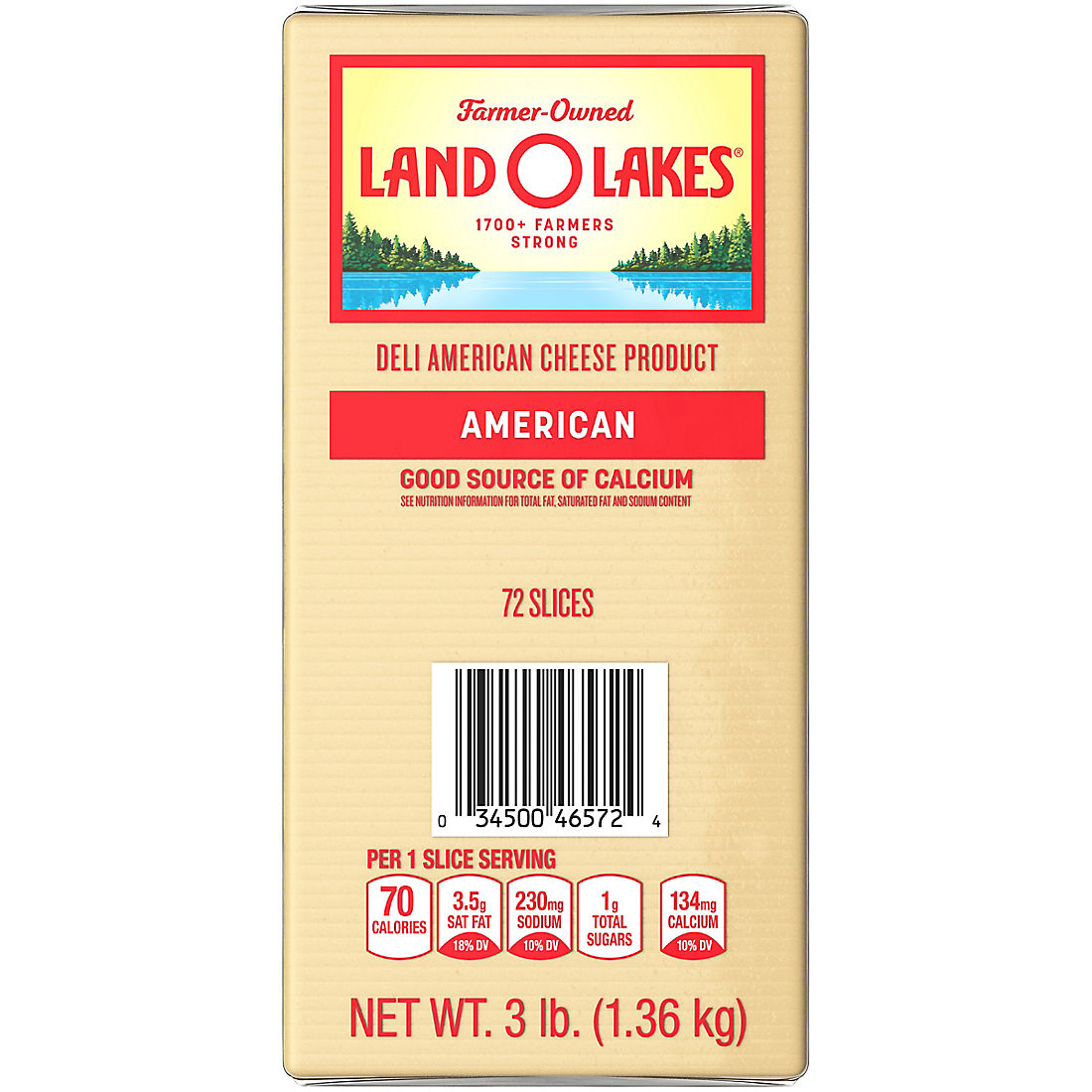


White Deli American Cheese Slices
Land O LakesAnalysis updated September 2026 · How Scout scores
At a glance
Summary
This product is a processed cheese with a moderate level of processing, containing both beneficial and harmful ingredients. While it includes milk and cream, which are nutritious, it also contains sorbic acid and soy lecithin, which are synthetic additives used for preservation and emulsification. These additives, along with the processing level, limit the product's healthiness compared to more traditional cheeses with cleaner ingredient lists.
Key ingredients 10
MilkGood
Milk is a primary source of calcium and protein, essential for bone health and muscle maintenance. It is minimally processed and provides a range of vitamins and minerals. The quality of milk can vary based on the source, with organic and grass-fed options being preferable.
Risks
Potential lactose intolerance or milk allergy in some individuals.
Benefits
Rich in calcium and protein, supporting bone health and muscle maintenance.
CreamGood
Cream adds richness and flavor, providing healthy fats that can be beneficial in moderation. It is a natural dairy product with minimal processing. The quality of cream can be enhanced if sourced from grass-fed cows.
Risks
High in saturated fats, which should be consumed in moderation to avoid cardiovascular risks.
Benefits
Provides healthy fats and enhances flavor and texture in dairy products.
Cheese CultureGood
Beneficial ingredient — whole-food or functional value in this product class.
Benefits
Contributes to the development of flavor and texture in cheese.
WaterNeutral
Water is used as a solvent and to adjust the texture of the cheese slices. It is a neutral ingredient with no direct nutritional impact. Its presence helps in achieving the desired consistency of the product.
See more about Water →Sodium CitrateNeutral
Sodium citrate is used as an emulsifier and acidity regulator in cheese products. It helps maintain a smooth texture and prevents separation. It is generally recognized as safe when used in food products.
Risks
Excessive consumption may lead to an imbalance in electrolytes.
Benefits
Helps maintain texture and stability in processed cheese products.
Citric AcidNeutral
Citric acid is used as a preservative and to enhance flavor in food products. It is naturally found in citrus fruits and is widely used in the food industry. It helps maintain freshness and stability in processed foods.
Risks
Excessive consumption may cause gastrointestinal discomfort.
Benefits
Helps preserve freshness and enhance flavor in food products.
EnzymesNeutral
Enzymes are used in cheese production to aid in the coagulation of milk. They are essential for the cheese-making process and contribute to the development of texture and flavor. The type of enzymes used can vary, affecting the final product.
Benefits
Essential for cheese production, aiding in coagulation and flavor development.
SaltNeutral
Salt is used to enhance flavor and act as a preservative in cheese products. It is a common ingredient in processed foods, providing taste and extending shelf life. The amount of salt can impact the overall sodium content of the product.
Risks
High sodium intake can contribute to hypertension and cardiovascular issues.
Benefits
Enhances flavor and acts as a preservative in food products.
Sorbic AcidBad
Sorbic acid is used as a preservative to inhibit mold and yeast growth in food products. It is a synthetic additive that extends shelf life but does not provide nutritional benefits. Overuse of preservatives can lead to potential health concerns.
Risks
May cause allergic reactions or sensitivities in some individuals.
Benefits
Extends shelf life by preventing mold and yeast growth.
Soy LecithinBad
Soy lecithin is used as an emulsifier to improve texture and consistency in processed foods. It is derived from soybeans and may contain traces of allergens. While it aids in processing, it does not offer significant nutritional benefits.
Risks
Potential allergen for individuals sensitive to soy products.
Benefits
Improves texture and consistency in processed foods.
Processing
Processed Foods
Get the full breakdown in the Scout appTake Scout shopping
Scan any product to see lab results, healthy alternatives, and your personalized analysis.
Download on theApp Store GET IT ONGoogle Play