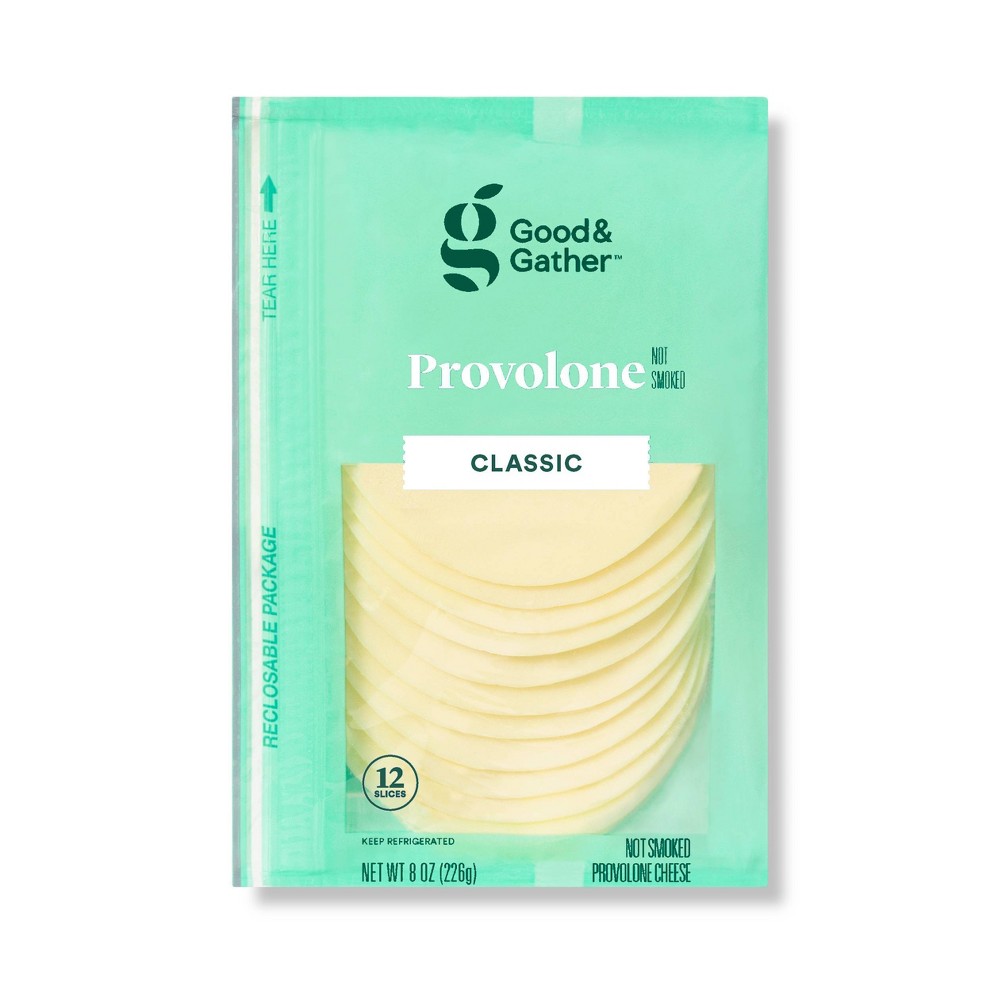
Genoa Salame Provolone Cheese

At a glance
Summary
This product is ultra-processed, which limits its potential health score despite containing some beneficial ingredients like pork and sea salt. The presence of dextrose and sugar as added sweeteners, along with natural flavors, contributes to its processing level and raises concerns about added sugars and lack of ingredient transparency. While it provides a good protein source, the overall processing and inclusion of less desirable ingredients impact its health rating.
Key ingredients 12
PorkGood
Pork is a high-quality source of protein and essential nutrients. It provides a rich amino acid profile beneficial for muscle maintenance and growth. The quality of pork can vary based on farming practices, with pasture-raised options being preferable.
Risks
Potential risks include high saturated fat content and the presence of nitrates if processed.
Benefits
Rich in protein and essential vitamins like B12, supporting energy metabolism and red blood cell formation.
Sea SaltGood
Sea salt is a minimally processed source of sodium and trace minerals. It is often preferred over refined table salt due to its natural mineral content. The use of sea salt can enhance flavor without excessive processing.
Risks
Excessive sodium intake can lead to hypertension and cardiovascular issues.
Benefits
Provides essential sodium and trace minerals that are important for maintaining fluid balance and nerve function.
Cultured Swiss ChardNeutral
Cultured Swiss chard is used as a natural preservative in processed meats. It is a source of nitrates, which can be converted to nitrites during processing. While it serves a functional purpose, it does not significantly impact nutritional value.
PepperNeutral
Pepper is a common spice used for flavoring. It contains piperine, which can enhance the absorption of certain nutrients. Its impact is primarily culinary rather than nutritional.
Benefits
May enhance the absorption of nutrients and provide a mild antioxidant effect.
Fresh GarlicNeutral
Fresh garlic is used for its flavor and potential health benefits. It contains allicin, which may have antimicrobial and cardiovascular benefits. However, its impact in processed foods is primarily culinary.
Benefits
May provide antimicrobial properties and support cardiovascular health.
Lactic Acid Starter CultureNeutral
Lactic acid starter culture is used in fermentation to develop flavor and texture. It plays a role in the preservation and safety of fermented foods. Its impact is primarily functional rather than nutritional.
Benefits
Supports fermentation, enhancing flavor and preservation.
Cultured Pasteurized MilkNeutral
Cultured pasteurized milk is used in cheese production for its protein and calcium content. Pasteurization ensures safety by eliminating harmful bacteria. It provides essential nutrients but is less beneficial than raw, grass-fed options.
Benefits
Provides protein and calcium, supporting bone health.
EnzymesNeutral
Enzymes are used in cheese production to aid in coagulation and flavor development. They are essential for the cheese-making process but do not contribute significant nutritional value. Their role is primarily functional.
Benefits
Facilitates cheese production by aiding in coagulation and flavor development.
SaltNeutral
Salt is used for flavor enhancement and preservation. It is a common ingredient in processed foods, contributing to sodium intake. While necessary for flavor, excessive consumption can pose health risks.
Risks
Excessive sodium intake can lead to hypertension and cardiovascular issues.
Benefits
Enhances flavor and acts as a preservative.
DextroseBad
Dextrose is a simple sugar used as a sweetener and preservative. It can contribute to increased blood sugar levels and caloric intake. Its presence in processed foods is often associated with added sugars.
Risks
May contribute to obesity, insulin resistance, and other metabolic disorders when consumed in excess.
SugarBad
Sugar is a refined carbohydrate that can contribute to increased caloric intake and blood sugar levels. Its presence in processed foods is often linked to added sugars and potential health concerns. Excessive consumption is associated with various metabolic disorders.
Risks
May lead to obesity, insulin resistance, and dental cavities when consumed in excess.
Natural FlavorBad
Natural flavors are used to enhance taste but lack transparency in their composition. They can contain a variety of compounds, some of which may be synthetic. The lack of disclosure can be concerning for those with allergies or sensitivities.
Risks
Potential allergen risk due to undisclosed components.
Processing
Ultra-Processed Foods
Get the full breakdown in the Scout appTake Scout shopping
Scan any product to see lab results, healthy alternatives, and your personalized analysis.
Are you Citterio? Fix an error Get the badge Get tested