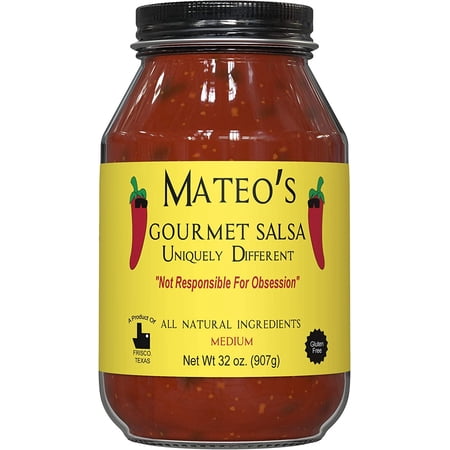
FOOD LION, THICK & CHUNK SALSA, MEDIUM

At a glance
Summary
This salsa is moderately processed but features a relatively clean ingredient list with no artificial colors, flavors, or sweeteners. The use of whole food ingredients like tomatoes, peppers, and onions is positive, although the presence of calcium chloride and citric acid indicates some level of processing. The sodium content is notable, which is common in condiments, but the absence of added sugars and harmful additives supports a favorable score within its category.
Key ingredients 12
Tomato pureeNeutral
Tomato puree is a common base for sauces and provides a rich source of vitamins and antioxidants. It is made by cooking and straining tomatoes, which retains most of the nutritional benefits. The processing method is minimal, preserving the natural nutrients of the tomatoes.
Benefits
Contains lycopene, an antioxidant that may reduce the risk of certain diseases.
Diced tomatoesNeutral
Diced tomatoes are a staple in many culinary dishes, providing texture and flavor. They are typically canned in tomato juice, which helps preserve their freshness and nutritional content. The processing is minimal, maintaining the natural benefits of tomatoes.
Benefits
Rich in vitamins C and K, and a good source of dietary fiber.
Green bell peppersNeutral
Green bell peppers add flavor and a slight crunch to dishes, and are low in calories. They are typically used fresh or minimally processed, retaining most of their nutrients. The ingredient is a good source of vitamins and antioxidants.
Benefits
High in vitamin C and antioxidants, which support immune health.
OnionsNeutral
Onions are a common ingredient that adds flavor and aroma to dishes. They are usually used fresh or minimally processed, preserving their nutritional value. Onions contain compounds that may have health benefits.
Benefits
Contains antioxidants and compounds that may support heart health.
VinegarNeutral
Vinegar is used as a preservative and flavor enhancer in many foods. It is produced through fermentation, which can provide some probiotic benefits. The acidity of vinegar helps preserve the salsa and enhance its flavor.
Risks
Excessive consumption may lead to digestive discomfort.
Benefits
May aid in digestion and has antimicrobial properties.
SaltNeutral
Salt is used to enhance flavor and preserve food. It is a common ingredient in processed foods, providing essential sodium. While necessary for bodily functions, excessive intake can lead to health issues.
Risks
High sodium intake can contribute to hypertension and cardiovascular issues.
Benefits
Essential for maintaining fluid balance and nerve function.
Jalapeno peppersNeutral
Jalapeno peppers add heat and flavor to dishes, and are low in calories. They are typically used fresh or minimally processed, retaining their nutritional benefits. Jalapenos contain capsaicin, which may have health benefits.
Risks
May cause digestive discomfort in sensitive individuals.
Benefits
Contains capsaicin, which may boost metabolism and reduce inflammation.
Dehydrated onionNeutral
Dehydrated onion is used for flavoring and has a long shelf life. The dehydration process removes moisture but retains most of the flavor and some nutrients. It is a convenient alternative to fresh onions.
Benefits
Provides flavor and some nutritional benefits similar to fresh onions.
SpiceNeutral
Spices are used to enhance flavor and aroma in foods. They are typically used in small amounts and can vary widely in type and nutritional content. The specific spices used are not detailed, but they generally add flavor without significant calories.
Benefits
May contain antioxidants and compounds that support health.
Garlic powderNeutral
Garlic powder is used for flavoring and is a concentrated form of garlic. It retains some of the health benefits of fresh garlic, including potential antimicrobial properties. The drying process concentrates the flavor and some nutrients.
Benefits
May support heart health and has antimicrobial properties.
Calcium chlorideNeutral
Calcium chloride is used as a firming agent in canned vegetables. It helps maintain the texture of the product during processing and storage. It is generally recognized as safe when used in food.
Benefits
Helps maintain the texture of canned vegetables.
Citric acidNeutral
Citric acid is used as a preservative and flavor enhancer in foods. It is naturally found in citrus fruits and is commonly used in processed foods for its acidic properties. It helps preserve the product and enhance its flavor.
Risks
Excessive consumption may cause digestive discomfort.
Benefits
Acts as a preservative and enhances flavor.
Processing
Processed Foods
Get the full breakdown in the Scout appTake Scout shopping
Scan any product to see lab results, healthy alternatives, and your personalized analysis.
Are you Food Lion? Fix an error Get the badge Get tested