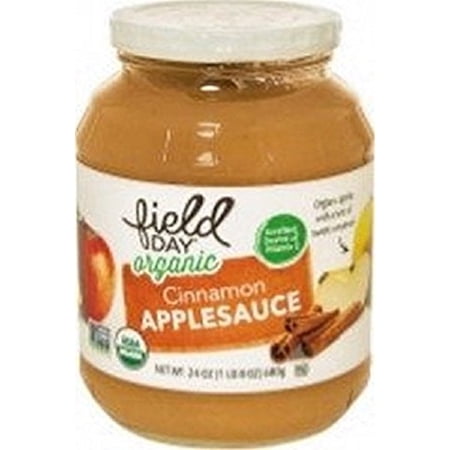
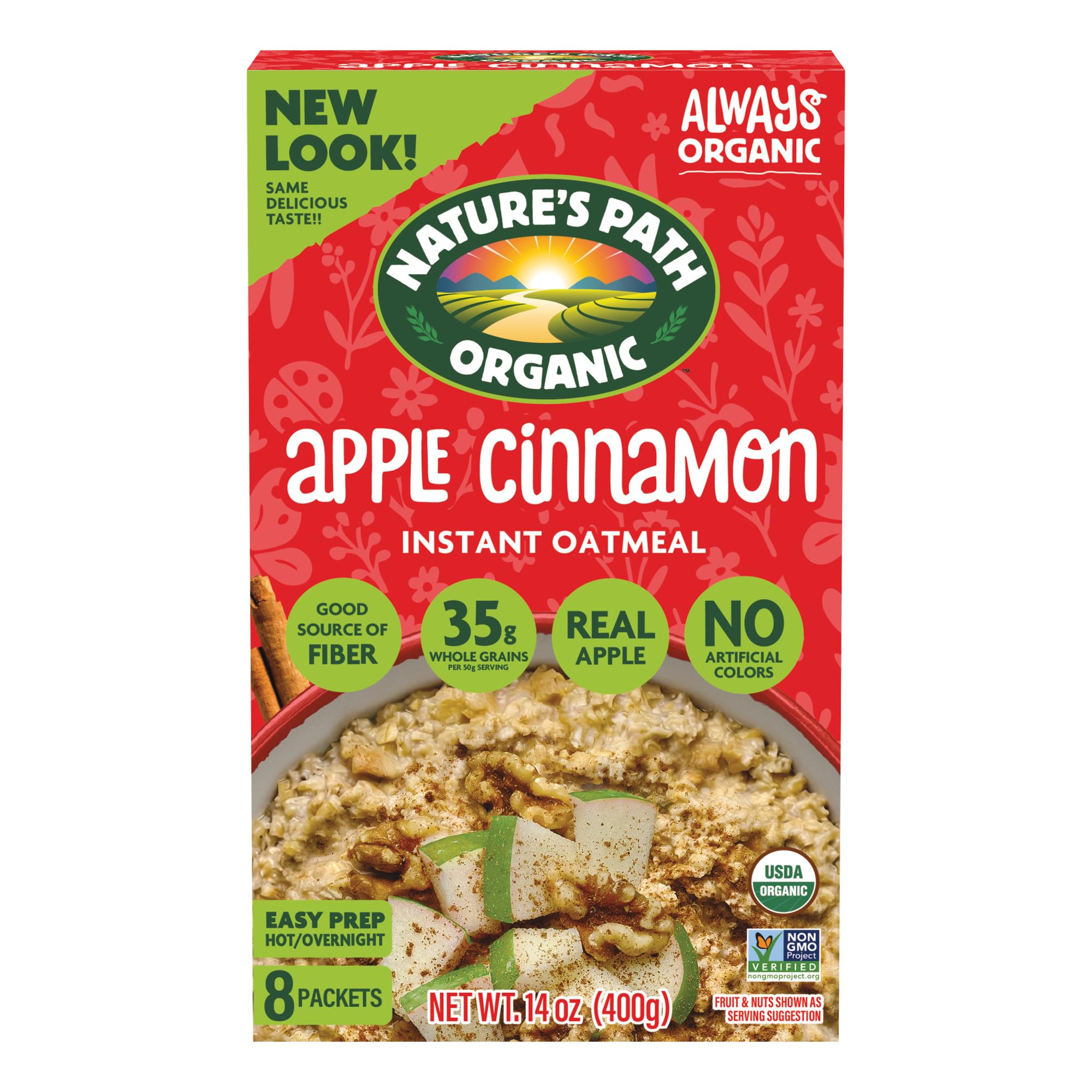
INSTANT OATMEAL, APPLES & CINNAMON
At a glance
Summary
This instant oatmeal contains beneficial ingredients like whole grain rolled oats and cinnamon, which provide fiber and antioxidants. However, it is heavily processed and includes additives such as sucralose and natural flavors, which are highly processed and may have negative health impacts. The presence of these additives and the high level of processing limit its overall healthiness despite the presence of some nutritious components.
Key ingredients 17
Whole grain rolled oatsVery Good
Whole grain rolled oats are a rich source of dietary fiber and essential nutrients. They are minimally processed, retaining most of their natural nutrients. Oats are known for their heart health benefits and ability to stabilize blood sugar levels.
Benefits
Rich in beta-glucan fiber, which can help lower cholesterol levels and improve heart health. Provides a good source of complex carbohydrates and essential vitamins and minerals.
Whole oat flourGood
Whole oat flour is made from ground whole oats, preserving the fiber and nutrients. It is less processed than refined flours, maintaining its nutritional profile. This ingredient supports digestive health and provides sustained energy.
Benefits
Provides dietary fiber and essential nutrients, supporting digestive health and providing a steady release of energy.
CinnamonGood
Cinnamon is a spice known for its antioxidant properties and potential to regulate blood sugar levels. It is a natural ingredient with minimal processing. Cinnamon can enhance flavor without adding calories or sugar.
Benefits
Contains antioxidants that may reduce inflammation and improve insulin sensitivity. Adds flavor and aroma to foods without additional calories.
NiacinamideGood
Vitamin B3 — evidence-backed skin and metabolic benefits.
Risks
High doses may cause liver damage or gastrointestinal issues.
Benefits
Supports energy metabolism and contributes to healthy skin.
Pyridoxine hydrochlorideGood
Beneficial ingredient — whole-food or functional value in this product class.
Risks
High doses can lead to neuropathy and nerve damage.
Benefits
Supports protein metabolism and cognitive development.
RiboflavinGood
Essential B vitamin — beneficial micronutrient.
Benefits
Essential for energy production and cellular function.
SaltNeutral
Salt is used to enhance flavor but does not provide significant nutritional benefits. It is a common ingredient in processed foods. Excessive consumption can lead to health issues such as hypertension.
Risks
High sodium intake can contribute to hypertension and cardiovascular disease.
Benefits
Enhances flavor in foods, making them more palatable.
Calcium carbonateNeutral
Calcium carbonate is used as a calcium supplement and food additive. It is a common source of calcium in fortified foods. While beneficial for bone health, excessive intake can lead to health issues.
Risks
Excessive consumption can lead to hypercalcemia and kidney stones.
Benefits
Provides a source of calcium, which is essential for bone health and various metabolic functions.
Citric acidNeutral
Citric acid is a natural preservative and flavor enhancer. It is commonly used in food processing to maintain freshness. While generally safe, some individuals may experience sensitivities.
Risks
May cause irritation or allergic reactions in sensitive individuals.
Benefits
Acts as a preservative and enhances flavor, extending the shelf life of products.
Guar gumNeutral
Guar gum is used as a thickening agent and stabilizer in foods. It is derived from guar beans and is generally considered safe. However, excessive consumption can lead to digestive issues.
Risks
High intake may cause digestive discomfort such as bloating or gas.
Benefits
Helps improve texture and consistency in food products.
Ferric orthophosphateNeutral
Ferric orthophosphate is used as an iron supplement in fortified foods. It helps prevent iron deficiency anemia. While beneficial, excessive iron intake can be harmful.
Risks
Excessive iron intake can lead to toxicity and organ damage.
Benefits
Provides a source of iron, essential for oxygen transport and energy production.
Vitamin A palmitateNeutral
Vitamin A palmitate is a synthetic form of vitamin A used in fortification. It supports vision and immune function. Overconsumption can lead to toxicity.
Risks
Excessive intake can cause vitamin A toxicity, leading to liver damage and other health issues.
Benefits
Essential for vision, immune function, and skin health.
Thiamin mononitrateNeutral
Thiamin mononitrate is a form of vitamin B1 used in food fortification. It is essential for carbohydrate metabolism and nerve function. Generally safe, but excessive intake can cause side effects.
Risks
High doses may cause gastrointestinal issues.
Benefits
Supports carbohydrate metabolism and nerve function.
Folic acidNeutral
Folic acid is a synthetic form of vitamin B9 used in food fortification. It is crucial for DNA synthesis and cell division. Excessive intake can mask vitamin B12 deficiency.
Risks
High doses can mask vitamin B12 deficiency, leading to neurological damage.
Benefits
Essential for DNA synthesis and cell division, particularly important during pregnancy.
Vitamin DNeutral
Vitamin D is used in food fortification to support bone health and immune function. It is essential for calcium absorption. Overconsumption can lead to toxicity.
Risks
Excessive intake can cause vitamin D toxicity, leading to hypercalcemia and kidney damage.
Benefits
Supports bone health and immune function by aiding calcium absorption.
Natural flavorBad
Natural flavors are often used to enhance taste but lack transparency in their composition. They are highly processed and can contain numerous chemical compounds. The lack of disclosure can be concerning for those with allergies or sensitivities.
Risks
Potential allergens or sensitivities due to undisclosed ingredients.
Benefits
Enhances flavor without adding calories, but offers no nutritional benefits.
SucraloseBad
Sucralose is an artificial sweetener used to provide sweetness without calories. It is highly processed and may affect gut health. Some studies suggest potential negative impacts on metabolism and insulin response.
Risks
May alter gut microbiota and affect insulin sensitivity.
Benefits
Provides sweetness without adding calories, which can be beneficial for weight management.
Processing
Ultra-Processed Foods
Get the full breakdown in the Scout appTake Scout shopping
Scan any product to see lab results, healthy alternatives, and your personalized analysis.