


At a glance
Summary
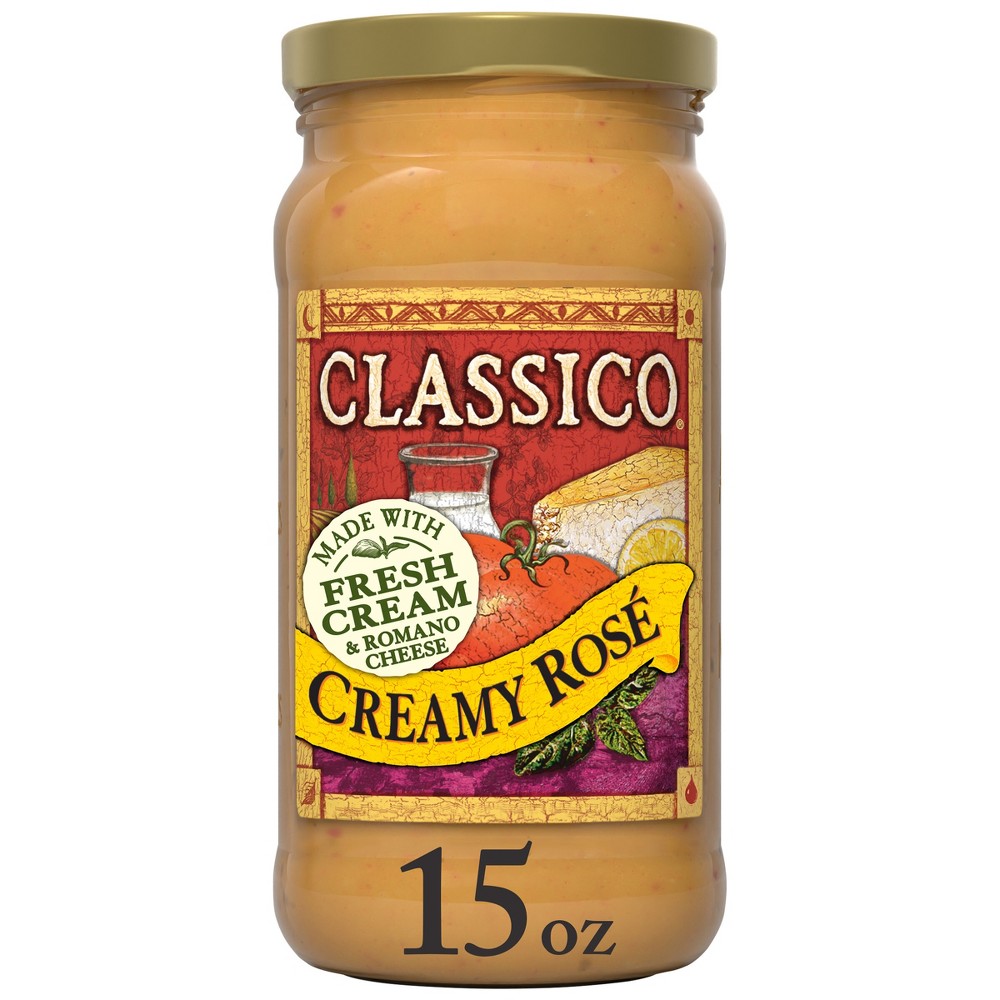
This sauce contains beneficial ingredients like tomato puree, cream, and garlic, which contribute to its flavor and nutritional profile. However, it is classified as ultra-processed due to the presence of added sugar and natural flavors, which are highly processed and lack transparency. The processing level and inclusion of these ingredients limit its overall healthiness.
Key ingredients 16
Tomato PureeGood
Tomato puree is a concentrated form of tomatoes, providing a rich source of vitamins and antioxidants. It is minimally processed, retaining much of the nutritional value of fresh tomatoes. It contributes to the sauce's flavor and nutritional profile.
Benefits
Rich in vitamins A and C, and antioxidants like lycopene, which may support heart health and reduce inflammation.
CreamGood
Cream adds richness and a smooth texture to the sauce, providing a source of dairy fat. It is a natural ingredient that enhances flavor and mouthfeel. When sourced from grass-fed cows, it can offer additional health benefits.
Risks
May contribute to high calorie and saturated fat intake if consumed in excess.
Benefits
Provides a source of calcium and fat-soluble vitamins like A and D, supporting bone health and nutrient absorption.
Diced Tomatoes In JuiceGood
Diced tomatoes in juice are a minimally processed form of tomatoes, retaining their natural nutrients. They add texture and flavor to the sauce. The juice helps preserve the tomatoes and adds moisture to the product.
Benefits
Rich in vitamins C and K, and antioxidants like lycopene, which may support immune function and reduce cancer risk.
GarlicGood
Garlic is a natural ingredient known for its flavor and potential health benefits. It contains compounds that may support heart health and immune function. It is minimally processed and adds depth to the sauce's flavor.
Benefits
Contains allicin, which may have antimicrobial and cardiovascular benefits.
SpicesGood
Whole-food seasonings, antioxidant-bearing.
Benefits
May provide antioxidants and contribute to flavor complexity.
Cheese CultureGood
Beneficial ingredient — whole-food or functional value in this product class.
Benefits
Essential for developing the flavor and texture of cheese.
WaterNeutral
Water is a neutral ingredient used as a base or solvent in many food products. It does not contribute any nutritional value but is essential for consistency and texture. It is generally safe and free from health concerns.
See more about Water →Romano CheeseNeutral
Romano cheese adds a distinct flavor and creamy texture to the sauce. It is a source of protein and calcium but also contains saturated fat and sodium. Its nutritional impact depends on the quantity used.
Risks
High sodium content may contribute to increased blood pressure if consumed in large amounts.
Benefits
Provides protein and calcium, supporting muscle function and bone health.
SaltNeutral
Salt is used to enhance flavor and preserve the product. It is a common ingredient in processed foods. While necessary for bodily functions, excessive intake can be harmful.
Risks
Excessive consumption may lead to hypertension and cardiovascular issues.
Benefits
Essential for maintaining fluid balance and nerve function in the body.
Pasteurized MilkNeutral
Pasteurized milk is used as a base for dairy ingredients, providing protein and calcium. Pasteurization ensures safety by eliminating harmful bacteria. It is a common ingredient in dairy-based sauces.
Risks
Lactose intolerance may cause digestive issues for some individuals.
Benefits
Good source of calcium and vitamin D, supporting bone health.
Lemon ConcentrateNeutral
Lemon concentrate adds acidity and flavor to the sauce. It is a processed form of lemon juice, often used for its convenience and shelf stability. It contributes to the overall taste profile of the product.
Benefits
Provides a small amount of vitamin C, supporting immune health.
Citric AcidNeutral
Citric acid is a natural preservative and flavor enhancer. It is commonly used in food products to maintain freshness and add acidity. It is generally recognized as safe when used in moderation.
Risks
Excessive consumption may cause digestive discomfort in sensitive individuals.
Benefits
Helps preserve the product and maintain its flavor over time.
Lactic AcidNeutral
Lactic acid is used as a preservative and acidity regulator. It is naturally occurring and commonly used in food processing. It helps maintain the product's stability and flavor.
Benefits
May aid in digestion and preservation of the product.
EnzymesNeutral
Enzymes are used in cheese production to aid in the coagulation process. They are natural proteins that facilitate biochemical reactions. Their use is standard in dairy processing and does not pose health risks.
Benefits
Essential for cheese production, contributing to texture and flavor.
SugarBad
Sugar is added for sweetness but provides no essential nutrients. It is a refined carbohydrate that can contribute to weight gain and metabolic issues. Excessive consumption is linked to various health problems.
Risks
High intake may lead to obesity, type 2 diabetes, and dental cavities.
Natural FlavorsBad
Natural flavors are added to enhance taste but lack transparency regarding their specific components. They are often highly processed and can include a variety of chemical compounds. This lack of clarity can be concerning for consumers seeking clean labels.
Risks
Potential allergens or sensitivities may be present without clear labeling.
Processing
Ultra-Processed Foods
Get the full breakdown in the Scout appTake Scout shopping
Scan any product to see lab results, healthy alternatives, and your personalized analysis.
Download on theApp Store GET IT ONGoogle Play