
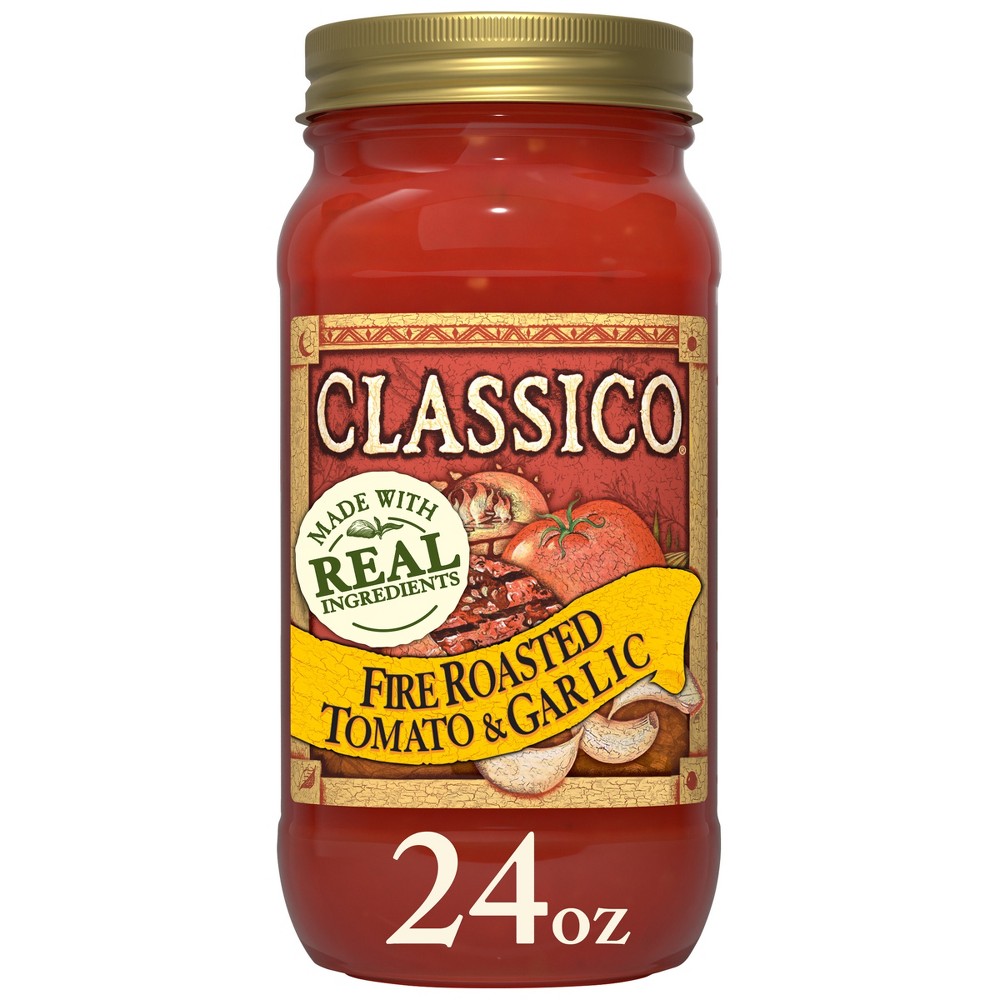

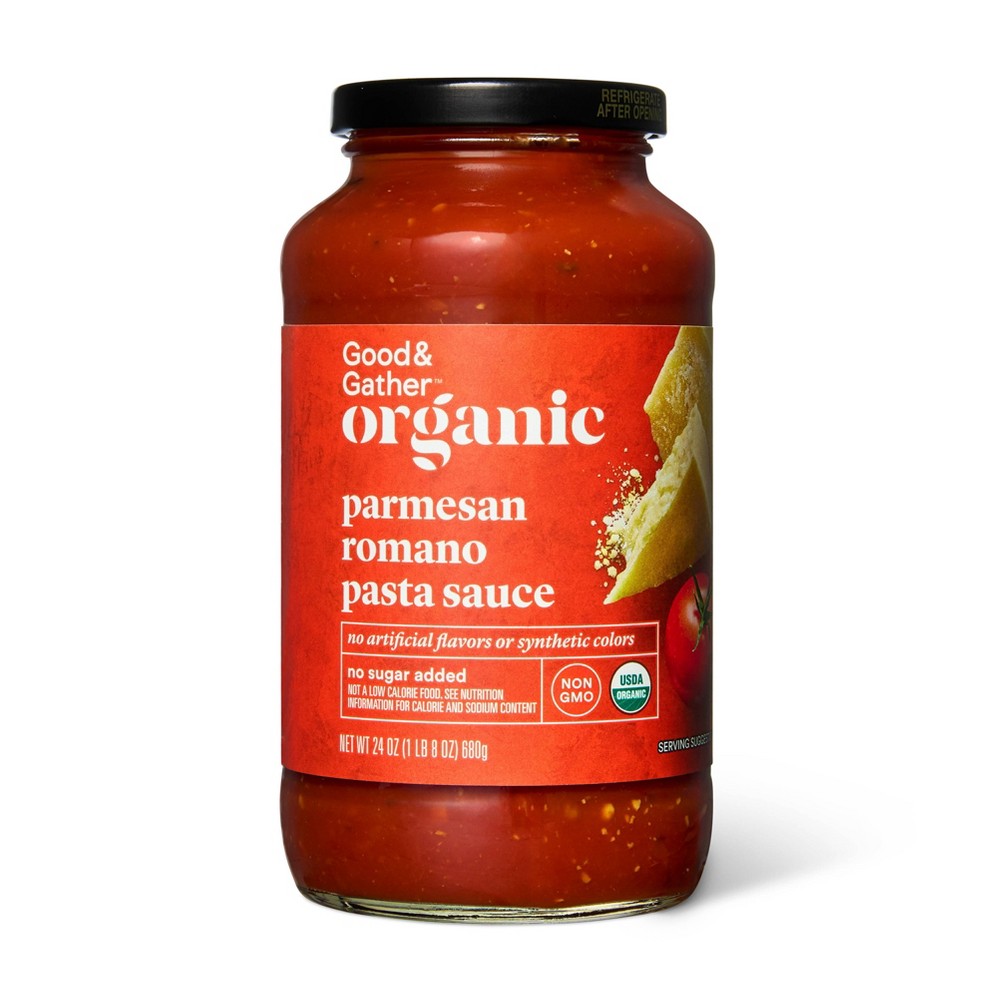
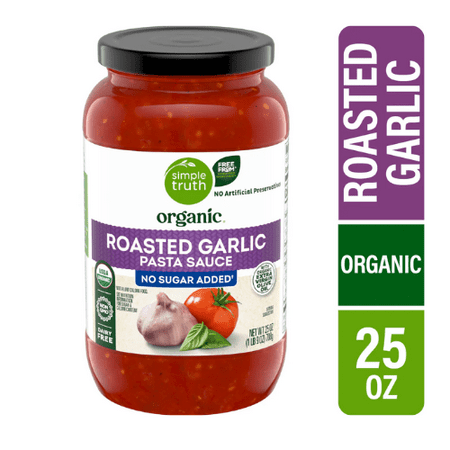
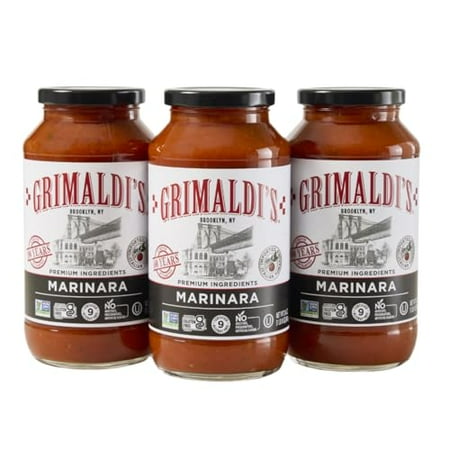
Classico Pasta Sauce
Analysis updated August 2026 · How Scout scores
At a glance
Summary
This pasta sauce contains primarily whole food ingredients like tomato puree, diced tomatoes, and olive oil, which are minimally processed and provide beneficial nutrients. However, the presence of added sugar and the fact that it is a processed food limit its healthiness. The sauce's clean ingredient list and minimal additives contribute positively to its score, but the processing level imposes a cap on its rating.
Key ingredients 11
Tomato pureeGood
Tomato puree is a concentrated source of tomatoes, providing a rich supply of vitamins and antioxidants. It is minimally processed, retaining most of the nutritional benefits of fresh tomatoes. The puree is a good source of lycopene, which has been linked to various health benefits.
Benefits
Rich in vitamins A and C, and lycopene, which may support heart health and reduce cancer risk.
Diced tomatoesGood
Diced tomatoes are a minimally processed form of tomatoes, retaining most of their natural nutrients. They provide a good source of vitamins and antioxidants. The processing method helps preserve the tomatoes' natural flavor and nutritional content.
Benefits
Provides vitamins C and K, and antioxidants that support immune function and skin health.
Fire roasted tomatoesGood
Fire roasted tomatoes offer a unique flavor profile and retain most of their nutritional value. The roasting process enhances the natural sweetness and adds a smoky flavor. They are a good source of vitamins and antioxidants.
Benefits
Contains antioxidants and vitamins that may support heart health and reduce inflammation.
SpicesGood
Whole-food seasonings, antioxidant-bearing.
Benefits
May provide antioxidants and enhance the flavor profile of foods.
Olive oilGood
Olive oil is a healthy fat known for its monounsaturated fatty acids and antioxidants. It is minimally processed, often cold-pressed to retain its nutritional properties. Olive oil supports heart health and has anti-inflammatory effects.
Benefits
Rich in monounsaturated fats and antioxidants that support heart health and reduce inflammation.
GarlicGood
Garlic is a flavorful ingredient with potential health benefits, including antimicrobial and cardiovascular effects. It is minimally processed and retains its natural compounds. Garlic is known for its potential to support immune health.
Benefits
May support immune function and cardiovascular health due to its bioactive compounds.
OnionsNeutral
Onions are a common vegetable used for flavoring, providing some vitamins and antioxidants. They are minimally processed and retain their natural nutrients. Onions can enhance the flavor profile of dishes without significant health impacts.
Benefits
Contains small amounts of vitamins and antioxidants that may support immune health.
SaltNeutral
Salt is used as a seasoning and preservative, providing sodium which is essential for various bodily functions. It is a refined ingredient without additional health benefits. Excessive consumption can lead to health issues such as hypertension.
Risks
High sodium intake can contribute to hypertension and cardiovascular disease.
Benefits
Essential for maintaining fluid balance and nerve function.
Citric acidNeutral
Citric acid is used as a preservative and flavor enhancer, naturally found in citrus fruits. It is a common food additive with no significant health concerns. Citric acid helps maintain the acidity and freshness of foods.
Benefits
Helps preserve food and enhance flavor without significant nutritional benefits.
Calcium chlorideNeutral
Calcium chloride is used as a firming agent and preservative in foods. It is a common additive with no significant health concerns. Calcium chloride helps maintain the texture and stability of processed foods.
Benefits
Helps maintain food texture and stability without significant nutritional benefits.
SugarBad
Refined added sugar.
Risks
High sugar intake can contribute to obesity, diabetes, and dental issues.
Benefits
Provides quick energy but lacks significant nutritional benefits.
Processing
Processed Foods
Get the full breakdown in the Scout appTake Scout shopping
Scan any product to see lab results, healthy alternatives, and your personalized analysis.
Download on theApp Store GET IT ONGoogle PlayAmazon pricing & content
Amazon price as of . Product prices and availability are accurate as of the date/time indicated and are subject to change. Any price and availability information displayed on Amazon.com at the time of purchase will apply to the purchase of this product.
CERTAIN CONTENT THAT APPEARS ON THIS SITE COMES FROM AMAZON. THIS CONTENT IS PROVIDED “AS IS” AND IS SUBJECT TO CHANGE OR REMOVAL AT ANY TIME.