
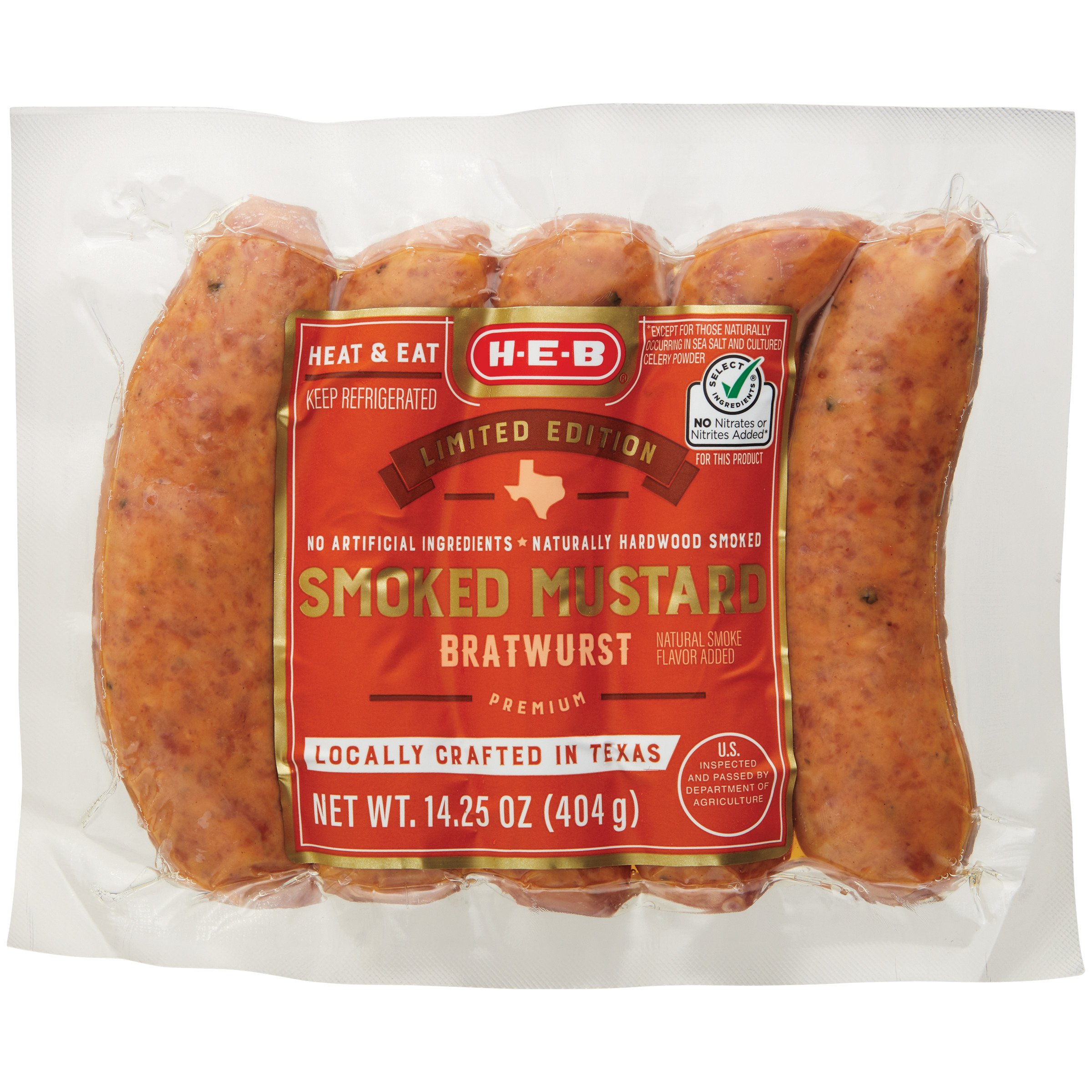


At a glance
Summary
This smoked mustard bratwurst contains beneficial ingredients like pork and beef, which are good sources of protein and essential nutrients. However, it also includes processed ingredients such as dextrose, maltodextrin, and sugar, which can contribute to increased blood sugar levels and offer little nutritional value. The product is moderately processed, which limits its score despite the presence of some high-quality ingredients.
Key ingredients 12
PorkGood
Pork is a rich source of high-quality protein and essential vitamins and minerals. It provides important nutrients like B vitamins and zinc. When sourced from well-raised animals, it can be a nutritious part of a balanced diet.
Risks
Potential risks include high saturated fat content and possible contamination if not cooked properly.
Benefits
Provides high-quality protein and essential nutrients such as B vitamins and zinc.
BeefGood
Beef is a nutrient-dense source of protein, iron, and B vitamins. It supports muscle growth and maintenance. Grass-fed beef is particularly beneficial due to higher omega-3 fatty acids and antioxidants.
Risks
High consumption of red meat has been linked to increased risk of certain diseases.
Benefits
Rich in protein, iron, and B vitamins, supporting muscle and overall health.
Sea SaltGood
Unrefined sea salt — a minimally processed, natural source of sodium and essential trace minerals, and a legitimate whole-food seasoning. Treated as a positive ingredient.
Risks
Excessive consumption can lead to high blood pressure and related health issues.
Benefits
Contains trace minerals that may offer slight nutritional benefits over regular salt.
SpicesGood
Whole-food seasonings, antioxidant-bearing.
Benefits
May provide antioxidants and support digestive health.
WaterNeutral
Water is used as a processing aid and does not contribute nutritional value. It helps in maintaining moisture in the product. No significant health impacts are associated with its use.
See more about Water →SaltNeutral
Salt is used for flavor enhancement and preservation. It is essential for bodily functions but should be consumed in moderation. Excessive intake can lead to health issues like hypertension.
Risks
High sodium intake can increase the risk of hypertension and cardiovascular diseases.
Benefits
Essential for maintaining fluid balance and nerve function.
MustardNeutral
Mustard is used for flavoring and contains compounds that may have health benefits. It provides a distinct taste and aroma. Contains antioxidants and anti-inflammatory properties.
Benefits
Contains antioxidants and may have anti-inflammatory properties.
Rice StarchNeutral
Rice starch is used as a thickening agent and stabilizer. It is derived from rice and is gluten-free. Provides texture without significant nutritional impact.
Benefits
Gluten-free and provides texture to the product.
DextroseBad
Dextrose is a simple sugar used as a sweetener and preservative. It can contribute to increased blood sugar levels. Overconsumption may lead to metabolic issues.
Risks
May contribute to obesity and insulin resistance if consumed in excess.
MaltodextrinBad
Maltodextrin is a processed carbohydrate used as a thickener and preservative. It has a high glycemic index and can spike blood sugar levels. Often used in processed foods, it offers little nutritional value.
Risks
May contribute to blood sugar spikes and insulin resistance.
Yeast ExtractBad
Concentrated glutamate source — MSG-adjacent flavor enhancer.
Risks
May cause reactions in individuals sensitive to glutamates.
Benefits
Source of B vitamins and enhances flavor.
SugarBad
Sugar is used as a sweetener and preservative. It can contribute to increased calorie intake and potential weight gain. Excessive consumption is linked to various health issues.
Risks
High intake can lead to obesity, diabetes, and dental problems.
Processing
Processed Foods
Get the full breakdown in the Scout appTake Scout shopping
Scan any product to see lab results, healthy alternatives, and your personalized analysis.
Download on theApp Store GET IT ONGoogle Play