

At a glance
Summary
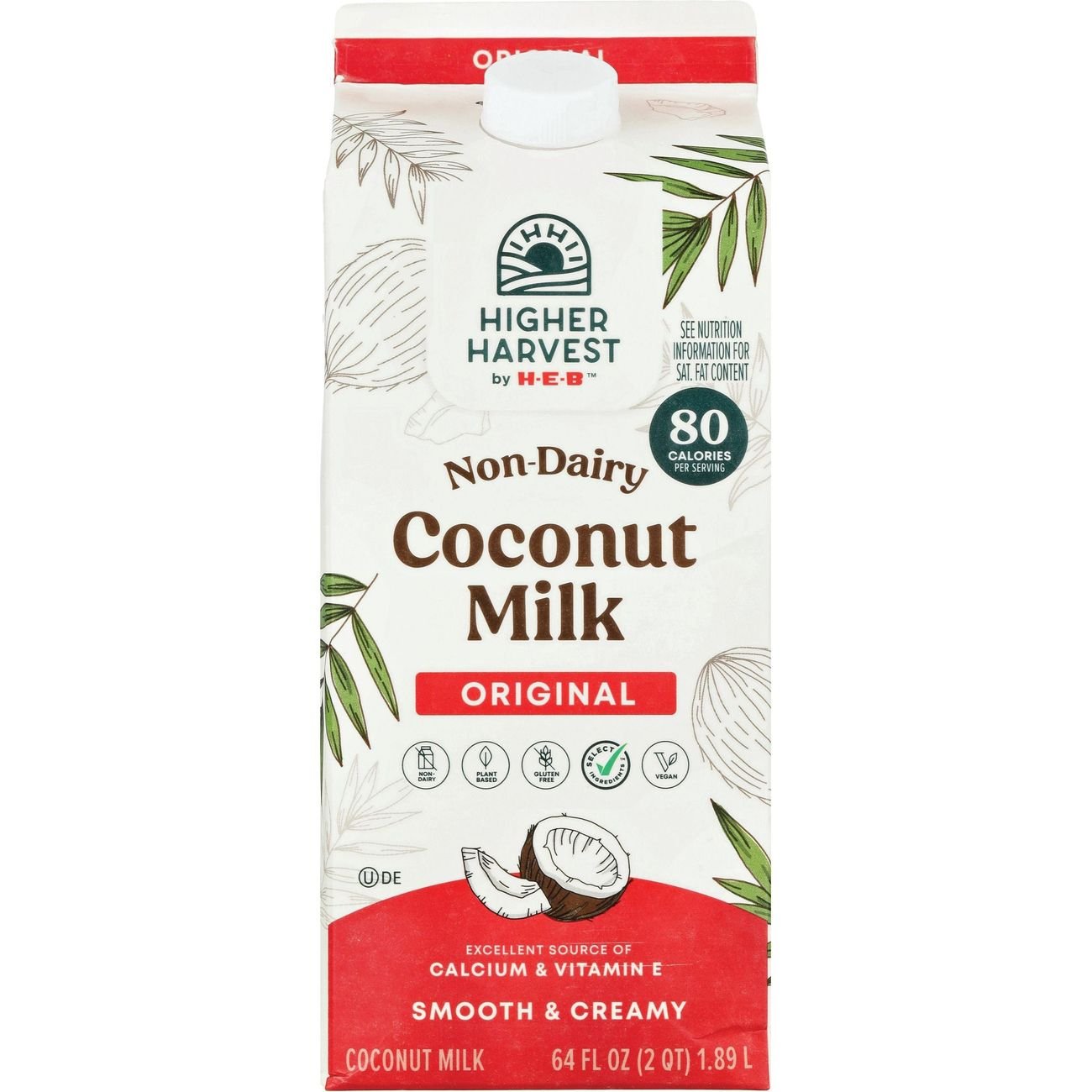
This coconut milk product is ultra-processed, which limits its potential health score. It contains refined cane syrup, contributing to increased sugar levels, and natural flavors, which are often heavily processed and lack transparency. Despite these concerns, it includes beneficial ingredients like coconut cream and calcium carbonate, which provide healthy fats and essential minerals.
Key ingredients 14
Coconut creamGood
Coconut cream is a source of healthy saturated fats, including medium-chain triglycerides (MCTs). These fats are easily metabolized and can provide a quick source of energy. Coconut cream also contains small amounts of vitamins and minerals.
Risks
Excessive consumption may lead to increased calorie intake and potential weight gain.
Benefits
Rich in MCTs that can support energy levels and metabolic health. Contains lauric acid, which may have antimicrobial properties.
Sea saltGood
Sea salt is a natural source of sodium and trace minerals. It is less processed than table salt and retains beneficial minerals. It enhances flavor and provides essential electrolytes.
Risks
Excessive sodium intake can lead to hypertension and cardiovascular issues.
Benefits
Contains trace minerals that support overall health and electrolyte balance.
Vitamin B12Good
Beneficial ingredient — whole-food or functional value in this product class.
Benefits
Supports nerve health and energy production, preventing anemia.
Filtered waterNeutral
Filtered water is a neutral ingredient used as a base in many beverages. It provides hydration without any additional nutrients or calories. It is essential for diluting other ingredients and ensuring a smooth consistency.
See more about Filtered water →Gellan gumNeutral
Gellan gum is a polysaccharide used as a thickening agent in food products. It is generally recognized as safe and is used to improve texture and stability. It is produced through bacterial fermentation.
Risks
Excessive consumption may cause digestive discomfort in sensitive individuals.
Benefits
Helps maintain product consistency and texture without significant health risks.
Xanthan gumNeutral
Xanthan gum is a common food additive used as a stabilizer and thickener. It is produced by fermenting simple sugars with a specific bacterium. It is widely used in gluten-free products to improve texture.
Risks
May cause digestive issues in large amounts for some individuals.
Benefits
Improves texture and stability in food products, especially useful in gluten-free formulations.
Calcium carbonateNeutral
Standard formulation ingredient — neither beneficial nor harmful at typical use.
Risks
Excessive intake can lead to hypercalcemia and related health issues.
Benefits
Provides a source of calcium, which is crucial for maintaining strong bones and teeth.
Vitamin E acetateNeutral
Vitamin E acetate is a form of vitamin E used as an antioxidant in food products. It helps preserve freshness and prevent oxidation. It is a stable form of vitamin E suitable for fortification.
Benefits
Acts as an antioxidant, protecting cells from oxidative damage.
Zinc gluconateNeutral
Zinc gluconate is a zinc supplement used to fortify foods. It supports immune function and various enzymatic processes. It is a bioavailable form of zinc suitable for dietary supplementation.
Risks
Excessive zinc intake can interfere with copper absorption and cause gastrointestinal issues.
Benefits
Supports immune health and enzymatic functions in the body.
Vitamin A palmitateNeutral
Vitamin A palmitate is a synthetic form of vitamin A used to fortify foods. It supports vision, immune function, and skin health. It is commonly used in processed foods to ensure adequate vitamin A intake.
Risks
Excessive intake can lead to hypervitaminosis A, causing toxicity.
Benefits
Essential for maintaining healthy vision and immune function.
Vitamin D2Neutral
Vitamin D2 is a plant-derived form of vitamin D used to fortify foods. It supports bone health by aiding calcium absorption. It is less effective than vitamin D3 but still beneficial for maintaining adequate vitamin D levels.
Risks
Excessive intake can lead to hypercalcemia and associated health issues.
Benefits
Supports bone health and immune function by enhancing calcium absorption.
Cane syrupBad
Cane syrup is a refined sugar that can contribute to increased blood sugar levels. It is processed and lacks the nutritional benefits found in whole food sweeteners. Regular consumption of refined sugars is linked to various health issues.
Risks
High intake of refined sugars can lead to obesity, diabetes, and other metabolic disorders.
Natural flavorsBad
Natural flavors are a catch-all term for flavoring agents derived from natural sources but can be heavily processed. They lack transparency, making it difficult to assess their health impact. The processing methods and additives used can vary widely.
Risks
Potential for allergic reactions and lack of transparency in ingredient sourcing.
Sunflower lecithinBad
Sunflower lecithin is an emulsifier derived from sunflower seeds. It is used to improve texture and blend ingredients. While less processed than soy lecithin, it is still a refined additive.
Risks
Potential allergen for individuals sensitive to sunflower products.
Benefits
Helps maintain product consistency and can support brain health due to phospholipid content.
Processing
Ultra-Processed Foods
Get the full breakdown in the Scout appTake Scout shopping
Scan any product to see lab results, healthy alternatives, and your personalized analysis.
Download on theApp Store GET IT ONGoogle Play