
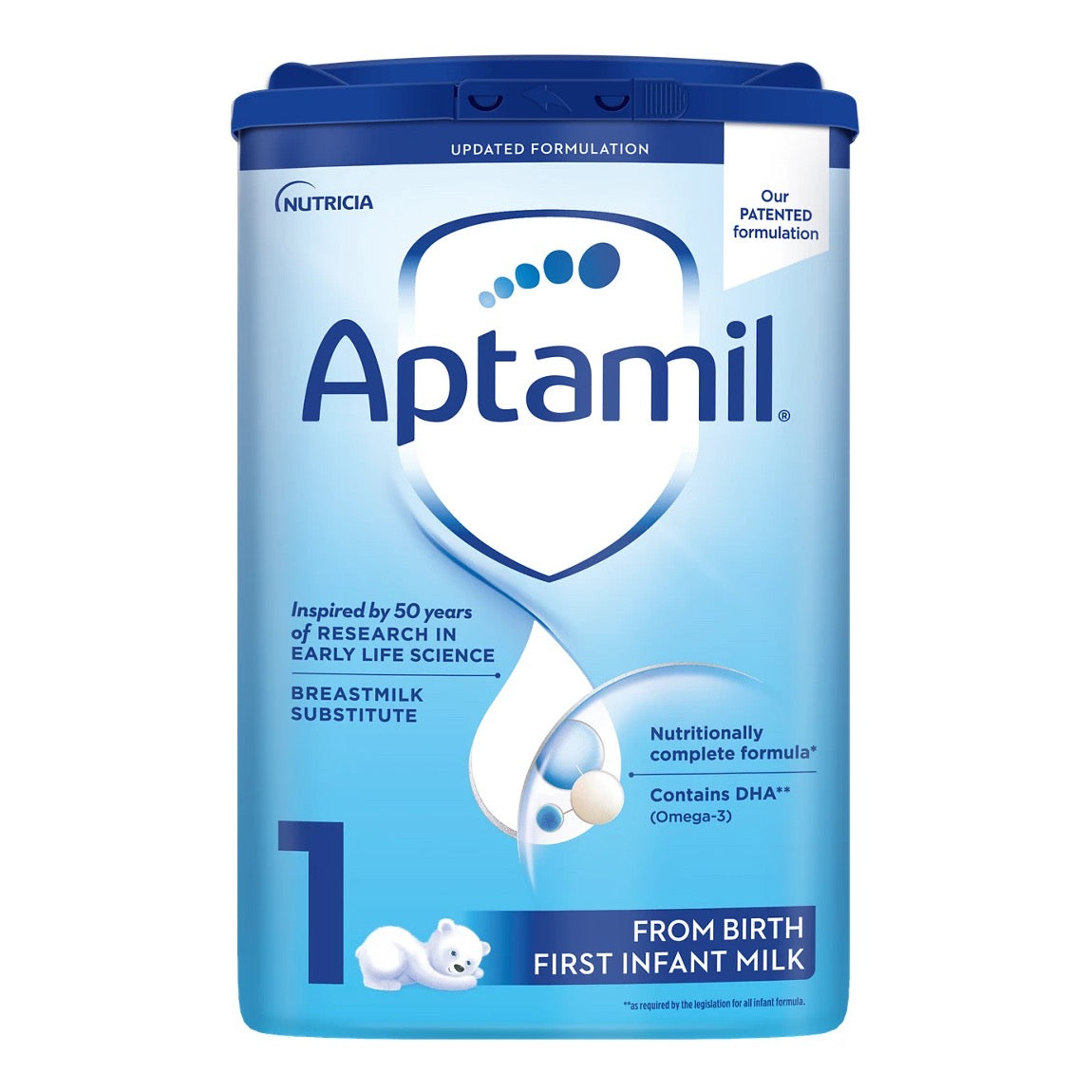


Aptamil 1 First Milk From Birth - 12 X 200ml
Analysis updated June 2026 · How Scout scores
At a glance
Summary
This infant formula contains beneficial ingredients such as skimmed milk, fish oil, and essential vitamins and minerals that support infant growth and development. However, it is highly processed and includes additives like soy lecithin and mono- and diglycerides, which raise concerns about potential trans fat content and purity. The presence of multiple additives and the level of processing limit its score despite the nutritional benefits.
Key ingredients 43
Skimmed MilkGood
Skimmed milk is a beneficial ingredient providing essential proteins and calcium necessary for infant growth. It is processed to remove fat, making it suitable for infants who require lower fat intake. The fermentation process can enhance digestibility and nutrient absorption.
Benefits
Provides essential proteins and calcium, supporting bone development and growth.
Fish OilGood
Fish oil is a beneficial source of omega-3 fatty acids, crucial for brain and eye development in infants. It is typically refined to remove contaminants such as heavy metals. The inclusion of fish oil in infant formula supports cognitive development.
Benefits
Rich in omega-3 fatty acids, supporting brain and eye development.
Calcium PhosphateGood
Calcium phosphate is added to provide essential calcium and phosphorus for bone development. It is a common mineral supplement in infant formulas to ensure adequate nutrient intake. The bioavailability of calcium phosphate supports effective absorption in infants.
Benefits
Supports bone health and development with essential minerals.
Vitamin CGood
Vitamin C is an essential nutrient that supports immune function and enhances iron absorption. It is added to infant formulas to ensure adequate intake for growth and development. The stability of vitamin C in the formula is maintained through careful processing.
Benefits
Supports immune function and enhances iron absorption.
Choline ChlorideGood
Choline chloride is added to support brain development and liver function. It is an essential nutrient that plays a role in neurotransmitter synthesis. The inclusion of choline in infant formula is crucial for cognitive development.
Benefits
Supports brain development and cognitive function.
InositolGood
Inositol is added to support brain development and cellular function. It is a carbohydrate that plays a role in cell membrane formation. The inclusion of inositol in infant formula supports neurological development.
Benefits
Supports brain development and cellular function.
Pantothenic AcidGood
Pantothenic acid, also known as vitamin B5, is essential for energy metabolism and the synthesis of coenzyme A. It is added to infant formulas to ensure adequate intake for growth and development. The stability of pantothenic acid in the formula is maintained through careful processing.
Benefits
Supports energy metabolism and growth.
Vitamin EGood
Vitamin E is an antioxidant that protects cells from oxidative stress and supports immune function. It is added to infant formulas to ensure adequate intake for growth and development. The stability of vitamin E in the formula is maintained through careful processing.
Benefits
Protects cells from oxidative stress and supports immune function.
NicotinamideGood
Nicotinamide, also known as vitamin B3, is essential for energy metabolism and DNA repair. It is added to infant formulas to ensure adequate intake for growth and development. The stability of nicotinamide in the formula is maintained through careful processing.
Benefits
Supports energy metabolism and DNA repair.
ThiaminGood
Thiamin, also known as vitamin B1, is essential for energy metabolism and nerve function. It is added to infant formulas to ensure adequate intake for growth and development. The stability of thiamin in the formula is maintained through careful processing.
Benefits
Supports energy metabolism and nerve function.
RiboflavinGood
Riboflavin, also known as vitamin B2, is essential for energy production and cellular function. It is added to infant formulas to ensure adequate intake for growth and development. The stability of riboflavin in the formula is maintained through careful processing.
Benefits
Supports energy production and cellular function.
Vitamin B6Good
Vitamin B6 is essential for protein metabolism and cognitive development. It is added to infant formulas to ensure adequate intake for growth and development. The stability of vitamin B6 in the formula is maintained through careful processing.
Benefits
Supports protein metabolism and cognitive development.
Potassium IodideGood
Potassium iodide is added to provide iodine, essential for thyroid function and cognitive development. It is a common additive in infant formulas to ensure adequate iodine intake. The processing ensures it is safe for infant consumption.
Benefits
Supports thyroid function and cognitive development.
Vitamin K₁Good
Vitamin K₁ is essential for blood clotting and bone health. It is added to infant formulas to ensure adequate intake for growth and development. The stability of vitamin K₁ in the formula is maintained through careful processing.
Benefits
Supports blood clotting and bone health.
BiotinGood
Biotin is essential for energy metabolism and skin health. It is added to infant formulas to ensure adequate intake for growth and development. The stability of biotin in the formula is maintained through careful processing.
Benefits
Supports energy metabolism and skin health.
Vitamin B12Good
Vitamin B12 is essential for red blood cell formation and neurological function. It is added to infant formulas to ensure adequate intake for growth and development. The stability of vitamin B12 in the formula is maintained through careful processing.
Benefits
Supports red blood cell formation and neurological function.
Galacto-oligosaccharides (GOS)Good
Galacto-oligosaccharides are prebiotics that support gut health and digestion. They are derived from milk and added to infant formulas to promote beneficial gut bacteria. The inclusion of GOS supports digestive health and nutrient absorption.
Benefits
Supports gut health and promotes beneficial gut bacteria.
Fructo-oligosaccharidesGood
Fructo-oligosaccharides are prebiotics that support gut health and digestion. They are derived from natural sources and added to infant formulas to promote beneficial gut bacteria. The inclusion of fructo-oligosaccharides supports digestive health and nutrient absorption.
Benefits
Supports gut health and promotes beneficial gut bacteria.
Ferrous LactateGood
Ferrous lactate is added to provide iron, essential for red blood cell formation and oxygen transport. It is a common iron supplement in infant formulas to prevent iron deficiency anemia. The bioavailability of ferrous lactate supports effective absorption in infants.
Benefits
Supports red blood cell formation and prevents iron deficiency anemia.
L-CarnitineGood
L-Carnitine is added to support energy metabolism and fat utilization. It is an amino acid derivative that plays a role in transporting fatty acids into mitochondria. The inclusion of L-carnitine in infant formula supports energy production and growth.
Benefits
Supports energy metabolism and fat utilization.
Zinc SulphateGood
Zinc sulphate is added to provide zinc, essential for immune function and growth. It is a common mineral supplement in infant formulas to ensure adequate zinc intake. The bioavailability of zinc sulphate supports effective absorption in infants.
Benefits
Supports immune function and growth.
Vitamin AGood
Vitamin A is essential for vision, immune function, and cell growth. It is added to infant formulas to ensure adequate intake for growth and development. The stability of vitamin A in the formula is maintained through careful processing.
Benefits
Supports vision, immune function, and cell growth.
Vitamin D3Good
Vitamin D3 is essential for calcium absorption and bone health. It is added to infant formulas to ensure adequate intake for growth and development. The stability of vitamin D3 in the formula is maintained through careful processing.
Benefits
Supports calcium absorption and bone health.
WaterNeutral
Water is a neutral ingredient primarily used as a solvent and carrier for other nutrients. It is essential for hydration but does not provide additional nutritional benefits. The quality of water used in infant formula is crucial, but no specific quality indicators are provided here.
See more about Water →Vegetable OilsNeutral
Vegetable oils such as high oleic sunflower oil, coconut oil, and rapeseed oil are used to provide essential fatty acids. These oils are refined to ensure purity and safety for infant consumption. The balance of omega-3 and omega-6 fatty acids is important for infant development.
Risks
High omega-6 content may promote inflammation when consumed in excess.
Benefits
Rich in essential fatty acids that support brain development and overall growth.
Citric AcidNeutral
Citric acid is used as an acidity regulator to maintain the pH balance of the formula. It is naturally found in citrus fruits but is often industrially produced for use in food products. The use of citric acid helps preserve the formula's shelf life.
Risks
Excessive consumption may lead to dental erosion, but this is unlikely in infant formula.
Benefits
Helps maintain product stability and shelf life.
Potassium ChlorideNeutral
Potassium chloride is used to provide potassium, an essential electrolyte for maintaining fluid balance. It is a common additive in infant formulas to ensure adequate potassium intake. The processing of potassium chloride ensures it is safe for consumption.
Risks
Excessive intake may lead to hyperkalemia, but this is unlikely in controlled formula use.
Benefits
Provides essential potassium for maintaining fluid and electrolyte balance.
Sodium CitrateNeutral
Sodium citrate is used as an acidity regulator and stabilizer in infant formulas. It helps maintain the pH balance and stability of the product. The processing of sodium citrate ensures it is safe for consumption.
Benefits
Helps maintain product stability and pH balance.
Potassium CitrateNeutral
Potassium citrate is used to provide potassium and regulate acidity in the formula. It is important for maintaining electrolyte balance and product stability. The processing ensures it is suitable for infant consumption.
Benefits
Supports electrolyte balance and product stability.
Magnesium ChlorideNeutral
Magnesium chloride is used to provide magnesium, an essential mineral for bone health and enzyme function. It is a common additive in infant formulas to ensure adequate magnesium intake. The processing ensures it is safe for infant consumption.
Benefits
Provides essential magnesium for bone health and enzyme function.
Calcium CarbonateNeutral
Standard formulation ingredient — neither beneficial nor harmful at typical use.
Benefits
Supports bone health and development with essential calcium.
Folic AcidNeutral
Standard formulation ingredient — neither beneficial nor harmful at typical use.
Benefits
Supports DNA synthesis and cell division.
Potassium BicarbonateNeutral
Potassium bicarbonate is used to provide potassium and regulate acidity in the formula. It is important for maintaining electrolyte balance and product stability. The processing ensures it is suitable for infant consumption.
Benefits
Supports electrolyte balance and product stability.
Potassium HydroxideNeutral
Potassium hydroxide is used to adjust the pH of the formula. It is a common additive in food processing to maintain product stability. The processing ensures it is safe for infant consumption.
Benefits
Helps maintain product stability and pH balance.
Sodium ChlorideNeutral
Sodium chloride is used to provide sodium, an essential electrolyte for maintaining fluid balance. It is a common additive in infant formulas to ensure adequate sodium intake. The processing ensures it is safe for infant consumption.
Risks
Excessive intake may lead to hypertension, but this is unlikely in controlled formula use.
Benefits
Provides essential sodium for maintaining fluid and electrolyte balance.
Sodium BicarbonateNeutral
Sodium bicarbonate is used to regulate acidity and maintain the pH balance of the formula. It is a common additive in food processing to ensure product stability. The processing ensures it is safe for infant consumption.
Benefits
Helps maintain product stability and pH balance.
Magnesium OxideNeutral
Magnesium oxide is used to provide magnesium, an essential mineral for bone health and enzyme function. It is a common additive in infant formulas to ensure adequate magnesium intake. The processing ensures it is safe for infant consumption.
Benefits
Provides essential magnesium for bone health and enzyme function.
CopperNeutral
Copper is an essential trace mineral important for iron metabolism and neurological function. It is added to infant formulas to ensure adequate intake for growth and development. The processing ensures it is safe for infant consumption.
Risks
Excessive intake may lead to copper toxicity, but this is unlikely in controlled formula use.
Benefits
Supports iron metabolism and neurological function.
Manganese SulphateNeutral
Manganese sulphate is used to provide manganese, essential for bone formation and enzyme function. It is a common mineral supplement in infant formulas to ensure adequate manganese intake. The processing ensures it is safe for infant consumption.
Benefits
Supports bone formation and enzyme function.
Sodium SeleniteNeutral
Sodium selenite is used to provide selenium, an essential trace mineral for antioxidant defense and thyroid function. It is a common additive in infant formulas to ensure adequate selenium intake. The processing ensures it is safe for infant consumption.
Risks
Excessive intake may lead to selenium toxicity, but this is unlikely in controlled formula use.
Benefits
Supports antioxidant defense and thyroid function.
Soy LecithinBad
Soy lecithin is used as an emulsifier to maintain product consistency. It is derived from soybeans, which may be genetically modified unless specified otherwise. The processing of soy lecithin can involve chemical solvents, raising concerns about purity.
Risks
Potential allergen and may contain residues from chemical processing.
Benefits
Helps maintain product consistency and texture.
Mono -Bad
Part of Emulsifier. Mono- and diglycerides of fatty acids are used as emulsifiers to maintain product consistency. They are derived from fats and may contain trans fats if not properly processed. The use of these emulsifiers raises concerns about potential trans fat content.
Risks
May contain trans fats, which are associated with increased risk of heart disease.
Benefits
Helps maintain product consistency and texture.
Diglycerides of Fatty AcidsBad
Part of Emulsifier. Mono- and diglycerides of fatty acids are used as emulsifiers to maintain product consistency. They are derived from fats and may contain trans fats if not properly processed. The use of these emulsifiers raises concerns about potential trans fat content.
Risks
May contain trans fats, which are associated with increased risk of heart disease.
Benefits
Helps maintain product consistency and texture.
Processing
Ultra-Processed Foods
Get the full breakdown in the Scout appTake Scout shopping
Scan any product to see lab results, healthy alternatives, and your personalized analysis.
Download on theApp Store GET IT ONGoogle Play