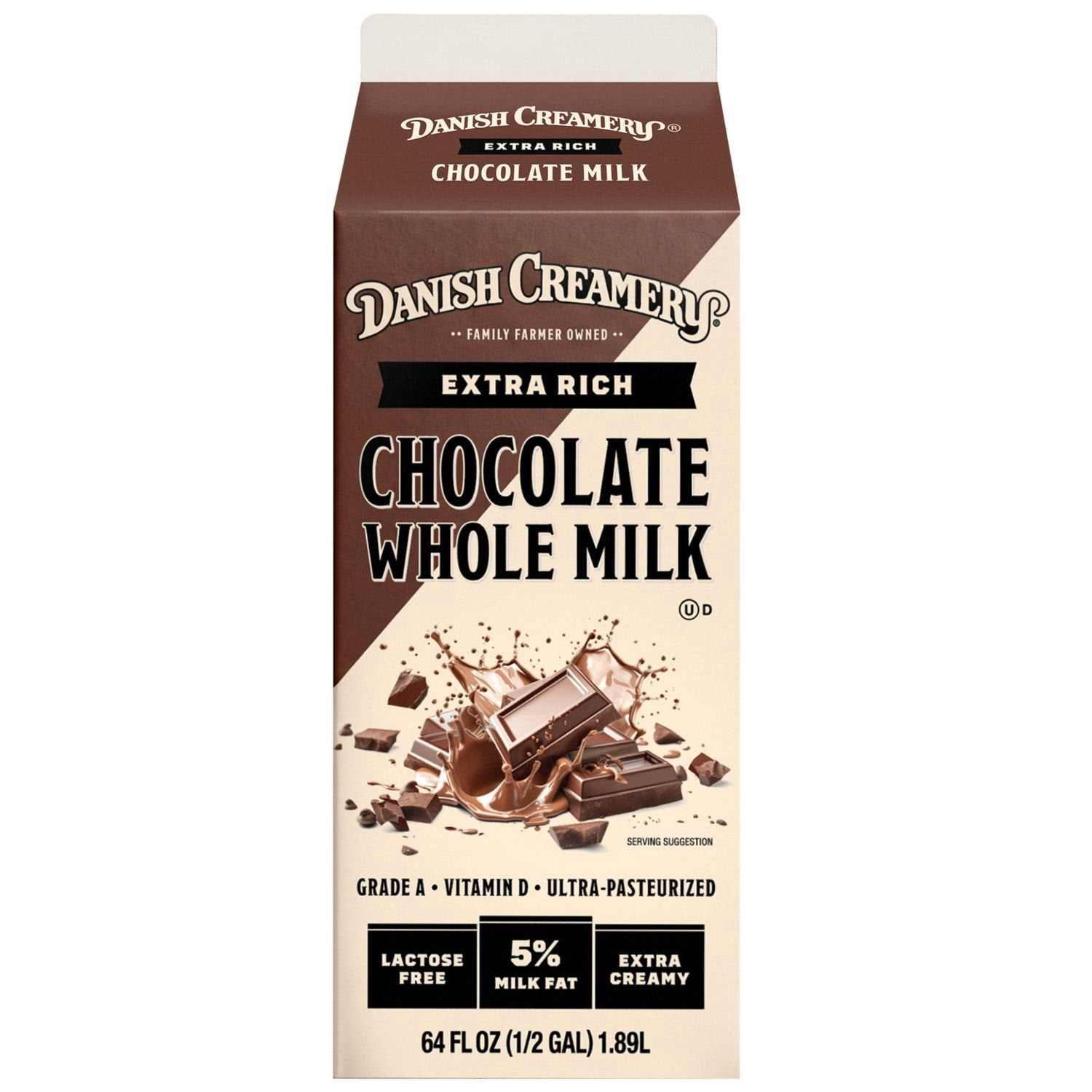
Chocolate Whole Milk
At a glance
Summary
This chocolate whole milk is ultra-processed, which limits its score despite containing beneficial ingredients like Grade A milk and Vitamin D3. The presence of refined sugar and carrageenan, which is linked to potential digestive issues, detracts from its overall healthiness. Additionally, the use of natural flavors adds to the processing level, impacting the product's nutritional quality.
Key ingredients 12
Grade A milkGood
Grade A milk is a high-quality source of protein and calcium. It is pasteurized to ensure safety and maintain nutritional value. This milk provides essential nutrients like vitamin D and B12.
Risks
Lactose intolerance can be a concern for some individuals consuming milk.
Benefits
Rich in calcium and protein, supporting bone health and muscle function.
Nonfat milkGood
Nonfat milk provides protein and calcium without the added fat content. It is a good option for those looking to reduce fat intake while maintaining nutrient intake. It retains essential vitamins and minerals found in whole milk.
Benefits
Low in fat while providing essential nutrients like calcium and protein.
Vitamin D3Good
Vitamin D3 is essential for calcium absorption and bone health. It is added to milk to enhance its nutritional profile. Adequate vitamin D levels support immune function and overall health.
Benefits
Supports bone health and immune function by enhancing calcium absorption.
CreamNeutral
Cream adds richness and flavor to dairy products. It is a source of saturated fat, which should be consumed in moderation. While it enhances taste, it does not provide significant nutritional benefits.
Risks
High in saturated fat, which may impact heart health if consumed in excess.
Benefits
Enhances flavor and texture of dairy products.
Cocoa (processed with alkali)Neutral
Cocoa processed with alkali, also known as Dutch-processed cocoa, has a milder flavor and darker color. The alkalization process reduces acidity but may decrease antioxidant levels. It is used to enhance the chocolate flavor in products.
Risks
May contain lower levels of antioxidants compared to natural cocoa.
Benefits
Provides chocolate flavor and contains some beneficial flavonoids.
SaltNeutral
Salt is used to enhance flavor in food products. It is a source of sodium, which is essential for fluid balance but should be consumed in moderation. Excessive salt intake can lead to health issues.
Risks
High sodium intake is linked to hypertension and cardiovascular diseases.
Benefits
Essential for maintaining fluid balance and nerve function.
CornstarchNeutral
Cornstarch is used as a thickening agent in food products. It is a refined carbohydrate with minimal nutritional value. It helps improve texture and consistency in dairy products.
Benefits
Improves texture and consistency in food products.
Guar gumNeutral
Guar gum is a natural thickening agent derived from guar beans. It is used to improve texture and consistency in food products. It is generally considered safe but may cause digestive discomfort in large amounts.
Risks
Excessive consumption may lead to digestive discomfort such as bloating or gas.
Benefits
Helps improve texture and consistency in food products.
Lactase enzymeNeutral
Lactase enzyme is added to break down lactose, making the product suitable for lactose-intolerant individuals. It helps improve digestibility of dairy products. It does not alter the nutritional content of the milk.
Benefits
Improves digestibility for lactose-intolerant individuals.
SugarBad
Refined sugar is associated with increased calorie intake and potential weight gain. It can contribute to dental cavities and has a high glycemic index. Excessive consumption may lead to metabolic issues.
Risks
High sugar intake is linked to obesity, type 2 diabetes, and heart disease.
Benefits
Provides quick energy but lacks essential nutrients.
CarrageenanBad
Carrageenan is used as a thickener and stabilizer in food products. It is derived from red seaweed but has been linked to digestive issues in some studies. Its safety is controversial, with some research suggesting potential inflammatory effects.
Risks
May cause digestive issues and inflammation in sensitive individuals.
Benefits
Provides texture and stability to food products.
Natural flavorBad
Natural flavors are used to enhance taste but lack transparency in their composition. They can contain a variety of compounds, some of which may not be beneficial. The term 'natural' does not guarantee health benefits.
Risks
Lack of transparency in composition may pose allergy risks for sensitive individuals.
Benefits
Enhances flavor without adding calories.
Processing
Ultra-Processed Foods
Get the full breakdown in the Scout appTake Scout shopping
Scan any product to see lab results, healthy alternatives, and your personalized analysis.
Are you Danish Creamery? Fix an error Get the badge Get tested