
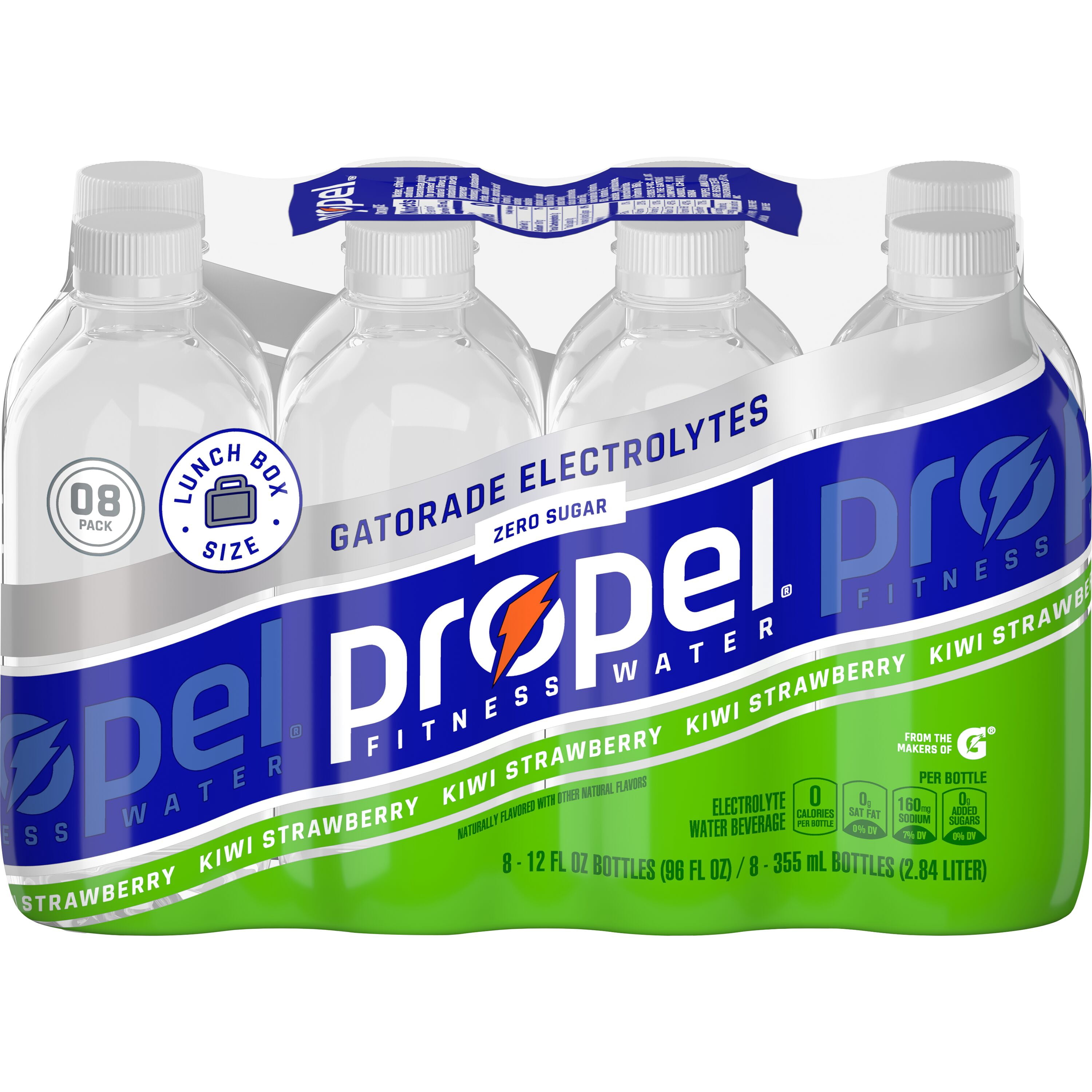



Propel Kiwi Strawberry Electrolyte Mix
Analysis updated August 2026 · How Scout scores
At a glance
Summary
This electrolyte mix contains beneficial ingredients like coconut water powder and pink Himalayan salt, which provide natural electrolytes and minerals. However, the presence of sucralose, an artificial sweetener, and natural flavors, which can be highly processed, detracts from its overall healthiness. The product's processing level also limits its potential score, despite the inclusion of some natural and beneficial components.
Key ingredients 22
SaltGood
Beneficial ingredient — whole-food or functional value in this product class.
Risks
Excessive intake can lead to hypertension and cardiovascular issues.
Benefits
Provides essential sodium, which is crucial for maintaining fluid balance and nerve function.
Sodium CitrateGood
Beneficial ingredient — whole-food or functional value in this product class.
Benefits
Helps maintain pH balance and enhances flavor in beverages.
Ascorbic AcidGood
Ascorbic acid, also known as vitamin C, is an essential nutrient and antioxidant. It supports immune function and skin health. It is commonly added to beverages for its health benefits and to prevent oxidation.
Benefits
Supports immune function and acts as an antioxidant, protecting cells from damage.
Potassium ChlorideGood
Beneficial ingredient — whole-food or functional value in this product class.
Benefits
Provides potassium, essential for heart and muscle function.
Magnesium ChlorideGood
Magnesium chloride is used to provide magnesium, an essential mineral for muscle and nerve function. It helps maintain electrolyte balance and is generally recognized as safe. It supports various bodily functions and overall health.
Benefits
Provides magnesium, essential for muscle and nerve function, and supports overall health.
Coconut Water PowderGood
Coconut water powder is a natural source of electrolytes and hydration. It contains potassium and other minerals that support hydration and muscle function. It is a natural alternative to synthetic electrolyte sources.
Benefits
Provides natural electrolytes and supports hydration and muscle function.
Pink Himalayan SaltGood
Pink Himalayan salt is a mineral-rich salt that contains trace elements such as magnesium and calcium. It is less processed than table salt and may provide additional minerals. It is often used for its unique flavor and potential health benefits.
Benefits
Contains trace minerals such as magnesium and calcium, providing potential health benefits.
Calcium CitrateGood
Calcium citrate is a form of calcium that is easily absorbed by the body. It supports bone health and is often used in supplements and fortified foods. It is beneficial for individuals needing additional calcium intake.
Benefits
Supports bone health and is easily absorbed by the body, beneficial for calcium intake.
Citric AcidNeutral
Citric acid is commonly used as a preservative and flavor enhancer in beverages. It is naturally found in citrus fruits and is generally recognized as safe. However, excessive consumption can lead to dental erosion.
Risks
Excessive consumption may lead to dental erosion due to its acidic nature.
Monopotassium PhosphateNeutral
Monopotassium phosphate is used as a source of potassium and a buffering agent. It is generally recognized as safe and helps maintain electrolyte balance. It is important for muscle function and nerve signaling.
Benefits
Provides potassium, which is essential for muscle function and nerve signaling.
Silicon DioxideNeutral
Silicon dioxide is used as an anti-caking agent to prevent clumping in powdered products. It is naturally occurring and generally recognized as safe. It does not contribute any nutritional value.
See more about Silicon Dioxide →Potassium PhosphateNeutral
Potassium phosphate is used to provide potassium and as a buffering agent. It helps maintain electrolyte balance and is generally recognized as safe. It is important for heart and muscle function.
Benefits
Provides potassium, essential for heart and muscle function.
Calcium SilicateNeutral
Calcium silicate is used as an anti-caking agent in powdered products. It is generally recognized as safe and does not contribute any nutritional value. It helps maintain product consistency.
See more about Calcium Silicate →Dextrose MonohydrateNeutral
Dextrose monohydrate is a form of glucose used as a sweetener and energy source. It is rapidly absorbed and can cause spikes in blood sugar levels. It is often used in sports drinks for quick energy.
Risks
May cause spikes in blood sugar levels, especially in individuals with insulin sensitivity.
Benefits
Provides quick energy, which can be beneficial during intense physical activity.
Sodium LactateNeutral
Sodium lactate is used as a preservative and to enhance flavor. It is generally recognized as safe and helps maintain pH balance. It is not associated with significant health risks when consumed in moderation.
Benefits
Helps maintain pH balance and enhances flavor in beverages.
Malic AcidNeutral
Malic acid is used to enhance flavor and as a preservative. It is naturally found in fruits and is generally recognized as safe. It contributes to the tartness of the beverage.
Benefits
Enhances flavor and contributes to the tartness of the beverage.
MolassesNeutral
Standard formulation ingredient — neither beneficial nor harmful at typical use.
Benefits
Contains vitamins and minerals such as iron and calcium, contributing to the nutritional profile.
Non-GMO Citric AcidNeutral
Non-GMO citric acid is used as a preservative and flavor enhancer. It is derived from non-genetically modified sources, which may appeal to consumers seeking non-GMO products. It is generally recognized as safe.
Benefits
Derived from non-GMO sources, appealing to consumers seeking non-GMO products.
Organic FlavorNeutral
Organic flavor is used to enhance taste and is derived from organic sources. It is less processed than conventional flavors and may appeal to consumers seeking organic products. It does not provide significant nutritional benefits.
Benefits
Derived from organic sources, appealing to consumers seeking organic products.
MaltodextrinBad
Processed additive flagged under Scout's ingredient doctrine.
Risks
May cause spikes in blood sugar levels, especially in individuals with insulin sensitivity.
Benefits
Provides quick energy, which can be beneficial during intense physical activity.
SucraloseBad
Sucralose is an artificial sweetener used to provide sweetness without calories. It is much sweeter than sugar and can alter gut microbiota. Long-term health effects are still being studied.
Risks
May alter gut microbiota and has potential long-term health effects that are still under study.
Benefits
Provides sweetness without adding calories, which can be beneficial for weight management.
Natural Strawberry Kiwi FlavorBad
Natural flavors are used to enhance taste but can be highly processed and contain undisclosed additives. They are often criticized for lack of transparency. While derived from natural sources, they may not provide nutritional benefits.
Risks
May contain undisclosed additives and lack transparency in ingredient sourcing.
Benefits
Enhances flavor without adding calories, but provides no significant nutritional benefits.
Processing
Processed Foods
Get the full breakdown in the Scout appTake Scout shopping
Scan any product to see lab results, healthy alternatives, and your personalized analysis.
Download on theApp Store GET IT ONGoogle PlayAmazon pricing & content
Amazon price as of . Product prices and availability are accurate as of the date/time indicated and are subject to change. Any price and availability information displayed on Amazon.com at the time of purchase will apply to the purchase of this product.
CERTAIN CONTENT THAT APPEARS ON THIS SITE COMES FROM AMAZON. THIS CONTENT IS PROVIDED “AS IS” AND IS SUBJECT TO CHANGE OR REMOVAL AT ANY TIME.