
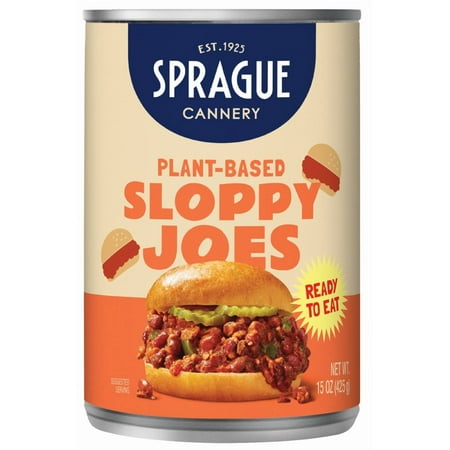

Sprague Foods Brand - Vegan Sloppy Joes Just Heat and Eat Preservative Free Easy Open 15oz Can
Analysis updated October 2026 · How Scout scores
At a glance
Summary
This product contains a mix of beneficial ingredients like adzuki beans, tomatoes, and avocado, which provide essential nutrients and healthy fats. However, it also includes processed components such as textured pea and bean protein and sunflower oil, which are associated with higher levels of processing and potential inflammation. The presence of brown sugar and natural flavors further contributes to its processed nature, impacting its overall healthiness.
Key ingredients 26
AvocadoVery Good
Avocado is rich in healthy monounsaturated fats, vitamins, and minerals. It supports heart health and provides anti-inflammatory benefits. Its creamy texture enhances the mouthfeel of dishes naturally.
Benefits
Rich in healthy fats and nutrients, supporting heart health and reducing inflammation.
Adzuki beansGood
Adzuki beans are a good source of plant-based protein and fiber. They provide essential nutrients such as iron, magnesium, and B vitamins. Their inclusion supports digestive health and provides a protein boost.
Risks
May cause digestive discomfort in some individuals due to fiber content.
Benefits
Rich in protein and fiber, supporting muscle health and digestion.
TomatoesGood
Tomatoes are rich in vitamins C and K, potassium, and antioxidants like lycopene. They support heart health and have anti-inflammatory properties. Their natural sweetness enhances flavor without added sugars.
Benefits
High in antioxidants and vitamins, promoting heart health and reducing inflammation.
Tomato pasteGood
Tomato paste is concentrated tomatoes, providing a rich source of lycopene and other antioxidants. It enhances flavor and nutritional value without added sugars or preservatives. Its concentration increases the availability of beneficial compounds.
Benefits
Concentrated source of antioxidants, supporting heart health and reducing oxidative stress.
OnionsGood
Onions are a good source of vitamins, minerals, and antioxidants. They have anti-inflammatory and immune-boosting properties. Their natural compounds may help reduce the risk of chronic diseases.
Risks
May cause digestive discomfort in some individuals.
Benefits
Rich in antioxidants and beneficial compounds that support immune health.
MushroomsGood
Mushrooms are low in calories and rich in vitamins, minerals, and antioxidants. They support immune function and provide unique compounds like beta-glucans. Their umami flavor enhances the taste profile naturally.
Benefits
Supports immune health and provides essential nutrients with low caloric impact.
Green peppersGood
Green peppers are rich in vitamins C and A, and provide antioxidants that support immune health. They add flavor and nutritional value without adding calories. Their fiber content aids in digestion.
Benefits
High in vitamins and antioxidants, supporting immune function and digestion.
Jalapeno peppersGood
Jalapeno peppers are rich in vitamins and capsaicin, which may boost metabolism and provide anti-inflammatory benefits. They add spice and flavor without added calories. Their heat can enhance the sensory experience of the dish.
Risks
May cause digestive discomfort in sensitive individuals.
Benefits
Rich in capsaicin, supporting metabolism and providing anti-inflammatory benefits.
SpicesGood
Whole-food seasonings, antioxidant-bearing.
Benefits
May provide antioxidants and enhance flavor without added calories.
Hemp heartsGood
Hemp hearts are rich in protein, healthy fats, and essential nutrients like magnesium and zinc. They support heart health and provide anti-inflammatory benefits. Their inclusion adds nutritional value to plant-based diets.
Benefits
Rich in protein and healthy fats, supporting heart health and reducing inflammation.
Sea saltGood
Sea salt is a minimally processed salt that retains trace minerals. It enhances flavor and provides essential sodium for bodily functions. Its natural composition is preferable to refined table salt.
Risks
Excessive sodium intake can lead to hypertension and cardiovascular issues.
Benefits
Provides essential sodium and trace minerals, enhancing flavor naturally.
GarlicGood
Garlic is known for its antioxidant and anti-inflammatory properties. It supports immune health and may reduce the risk of chronic diseases. Its strong flavor enhances the taste profile of dishes.
Risks
May cause digestive discomfort in some individuals.
Benefits
Supports immune health and provides antioxidants with anti-inflammatory properties.
Chia seedsGood
Chia seeds are rich in omega-3 fatty acids, fiber, and protein. They support heart health and provide anti-inflammatory benefits. Their gel-forming ability aids in digestion and satiety.
Risks
May cause digestive discomfort if consumed in large quantities without adequate hydration.
Benefits
Rich in omega-3s and fiber, supporting heart health and digestion.
Apple cider vinegarGood
Beneficial ingredient — whole-food or functional value in this product class.
Benefits
May provide antimicrobial benefits and enhances flavor.
WaterNeutral
Water is a neutral ingredient used as a base or solvent in many food products. It does not contribute any significant nutritional value or health risks. It is essential for hydration but does not impact the nutritional profile of the product.
See more about Water →MustardNeutral
Mustard is a condiment made from mustard seeds, vinegar, and spices. It adds flavor without significant calories or sugars. Its natural ingredients provide a tangy taste without artificial additives.
Benefits
Adds flavor with minimal calories and no artificial additives.
MolassesNeutral
Molasses is a byproduct of sugar refining, providing some minerals like iron and calcium. It adds a distinct flavor and color to foods. Its nutritional benefits are minimal compared to its sugar content.
Risks
High sugar content may contribute to blood sugar spikes if consumed in excess.
Benefits
Provides some minerals and a distinct flavor profile.
Tapioca starchNeutral
Tapioca starch is a gluten-free thickening agent derived from cassava root. It provides texture without significant nutritional value. It is commonly used in processed foods for its binding properties.
Benefits
Provides texture and binding properties in gluten-free formulations.
VinegarNeutral
Vinegar is a fermented liquid used for flavoring and preservation. It contains acetic acid, which may have antimicrobial properties. Its use in small amounts does not significantly impact nutritional value.
Benefits
May provide antimicrobial benefits and enhances flavor.
Onion powderNeutral
Onion powder is a dehydrated form of onions used for flavoring. It provides a concentrated onion flavor without significant nutritional value. Its use is common in processed foods for convenience.
Benefits
Enhances flavor without adding significant calories.
Tamarind pasteNeutral
Tamarind paste is used for its tangy flavor and is rich in vitamins and minerals. It adds a unique taste profile to dishes. Its nutritional benefits are limited by the small quantities used.
Benefits
Adds a unique flavor and provides some vitamins and minerals.
Brown sugarBad
Brown sugar is a refined sugar that contributes to calorie intake without significant nutritional benefits. It can lead to blood sugar spikes and potential weight gain if consumed in excess. Its use is common in processed foods for sweetness.
Risks
May contribute to blood sugar spikes and weight gain if consumed in excess.
Benefits
Provides sweetness and flavor enhancement in small quantities.
Yeast extractBad
Concentrated glutamate source — MSG-adjacent flavor enhancer.
Benefits
Enhances flavor with umami taste without significant nutritional impact.
Natural flavorBad
Natural flavor is a catch-all term for flavoring agents derived from natural sources. It lacks transparency and may include a variety of compounds. Its use is common in processed foods to enhance flavor without disclosing specific ingredients.
Risks
Lack of transparency may pose allergen risks or sensitivities.
Benefits
Enhances flavor without adding calories.
Textured pea and bean proteinVery Bad
Textured pea and bean protein is a processed plant-based protein used in meat alternatives. It is heavily processed and may have reduced protein absorption compared to whole food sources. Its inclusion is typical in ultra-processed foods.
Risks
May have reduced protein absorption and potential allergenicity.
Benefits
Provides a plant-based protein source for those avoiding animal products.
Sunflower oilVery Bad
Sunflower oil is a seed oil high in omega-6 fatty acids, which can promote inflammation when consumed in excess. It is often used in processed foods due to its neutral flavor and high smoke point. Its processing methods may involve chemical extraction.
Risks
High omega-6 content may promote inflammation when consumed in excess.
Benefits
Provides a neutral flavor and high smoke point for cooking.
Processing
Processed Foods
Get the full breakdown in the Scout appTake Scout shopping
Scan any product to see lab results, healthy alternatives, and your personalized analysis.
Download on theApp Store GET IT ONGoogle Play