


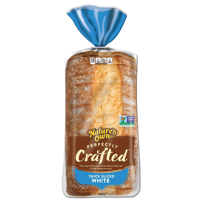


Nature's Own Thick Sliced Italian Herb
Analysis updated August 2026 · How Scout scores
At a glance
Summary
This bread contains beneficial ingredients like Italian seasoning, garlic, and acerola cherry powder, which add flavor and nutritional value. However, the presence of refined sugar and expeller pressed canola oil, a seed oil high in omega-6 fatty acids, detracts from its health profile. The product is moderately processed, which limits its score despite the inclusion of some healthy components.
Key ingredients 14
Italian SeasoningGood
Italian seasoning is a blend of herbs that adds flavor and aroma to the bread. It typically includes beneficial herbs like oregano and basil, which have antioxidant properties. These herbs can enhance the sensory appeal and nutritional profile of the bread.
Benefits
Contains herbs with antioxidant properties that may support overall health.
GarlicGood
Garlic is a flavorful ingredient with potential health benefits, including antimicrobial and antioxidant properties. It can enhance the flavor profile of the bread. Regular consumption may support cardiovascular health.
Benefits
Contains compounds that may support cardiovascular health and provide antioxidant benefits.
Acerola Cherry PowderGood
Acerola cherry powder is rich in vitamin C and antioxidants, which can support immune health. It is a natural ingredient that adds nutritional value to the bread. Its inclusion can enhance the overall health profile of the product.
Benefits
Rich in vitamin C and antioxidants, supporting immune health and providing nutritional benefits.
WaterNeutral
Water is a fundamental ingredient in bread making, hydrating the flour and activating yeast. It is a neutral ingredient with no direct health impacts. Its quality can vary based on source and treatment.
Benefits
Essential for hydration and activating yeast in bread making.
YeastNeutral
Yeast is a microorganism used to leaven bread, creating a light and airy texture. It is a natural ingredient with no significant health concerns. Different strains can affect flavor and texture of the bread.
Benefits
Essential for leavening bread and contributing to its texture.
Wheat GlutenNeutral
Wheat gluten is added to improve dough elasticity and structure. It is a protein found in wheat, which can cause issues for those with gluten intolerance. It enhances the texture and chewiness of bread.
Risks
Can cause adverse reactions in individuals with gluten intolerance or celiac disease.
Benefits
Improves dough elasticity and structure, enhancing bread texture.
SaltNeutral
Salt is used to enhance flavor and control yeast activity in bread. It is a refined ingredient with no additional minerals. Excessive intake can lead to health issues like hypertension.
Risks
Excessive consumption can contribute to hypertension and cardiovascular issues.
Benefits
Enhances flavor and regulates yeast activity in bread making.
Cultured Wheat FlourNeutral
Cultured wheat flour is used as a natural preservative in bread. It is made by fermenting wheat flour with specific bacteria. This process can enhance the shelf life of bread without synthetic additives.
Benefits
Acts as a natural preservative, extending the shelf life of bread.
VinegarNeutral
Vinegar is used in bread for flavor and as a natural preservative. It is a fermented product that can help improve the texture and shelf life of bread. Its acidity can also enhance the flavor profile.
Benefits
Acts as a natural preservative and can enhance flavor and texture.
Malted Barley FlourNeutral
Malted barley flour is used to enhance flavor and improve dough fermentation. It contains enzymes that can aid in the breakdown of starches. It is a natural ingredient with no significant health concerns.
Benefits
Enhances flavor and aids in dough fermentation.
EnzymesNeutral
Enzymes are added to improve dough handling and bread texture. They are natural proteins that catalyze biochemical reactions. Their use in bread is generally considered safe and beneficial for texture.
Benefits
Improve dough handling and enhance bread texture.
Wheat FlourBad
Refined grain flour stripped of bran and germ.
Risks
May contribute to blood sugar spikes and is a common allergen for those with gluten sensitivity or celiac disease.
Benefits
Provides essential carbohydrates for energy, though lacks the fiber and nutrients found in whole grain options.
SugarBad
Refined sugar is used to enhance flavor and feed yeast in bread. It can contribute to health issues like obesity and diabetes when consumed in excess. Natural sweeteners or reduced sugar content are healthier alternatives.
Risks
Excessive consumption can lead to obesity, diabetes, and other metabolic disorders.
Benefits
Provides energy and enhances flavor, but should be consumed in moderation.
Expeller Pressed Canola OilVery Bad
Canola oil is a seed oil high in omega-6 fatty acids, which can promote inflammation. Expeller pressing is a mechanical extraction method that avoids chemical solvents, but the oil still has a high omega-6 content. Healthier alternatives include oils high in monounsaturated fats like olive oil.
Risks
High omega-6 content may promote inflammation when consumed in excess.
Processing
Processed Foods
Get the full breakdown in the Scout appTake Scout shopping
Scan any product to see lab results, healthy alternatives, and your personalized analysis.
Download on theApp Store GET IT ONGoogle PlayAmazon pricing & content
CERTAIN CONTENT THAT APPEARS ON THIS SITE COMES FROM AMAZON. THIS CONTENT IS PROVIDED “AS IS” AND IS SUBJECT TO CHANGE OR REMOVAL AT ANY TIME.