Nature's Own Bread
At a glance
Summary
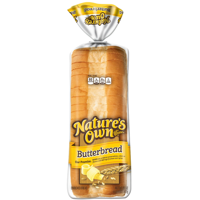
This bread contains a mix of beneficial ingredients such as flax seed meal and acerola cherry powder, which enhance its nutritional profile with omega-3s and antioxidants. However, the presence of added sugar and the processed nature of the product limit its healthfulness. The ingredient list is relatively clean, but the processing level prevents it from achieving a higher score.
Key ingredients 13
YeastGood
Yeast is a natural leavening agent that helps bread rise by producing carbon dioxide. It also contributes to the development of flavor and texture in bread. Yeast fermentation can enhance the nutritional profile of bread by increasing B-vitamin content.
Benefits
Enhances bread texture and flavor while contributing to B-vitamin content through fermentation.
ButterGood
Butter adds richness and flavor to bread, providing a source of saturated fats. When made from high-quality milk, it can offer fat-soluble vitamins like A, D, and E. Grass-fed butter is particularly beneficial due to higher omega-3 and CLA content.
Risks
Excessive consumption of saturated fats may contribute to heart disease risk.
Benefits
Provides flavor and essential fat-soluble vitamins, especially when sourced from grass-fed cows.
Flax seed mealGood
Flax seed meal is a source of omega-3 fatty acids, fiber, and lignans, which have health-promoting properties. It can improve digestive health and provide anti-inflammatory benefits. Incorporating flax seed meal can enhance the nutritional profile of bread.
Benefits
Rich in omega-3 fatty acids and fiber, supporting heart health and digestion.
Acerola cherry powderGood
Acerola cherry powder is rich in vitamin C and antioxidants, which can boost the nutritional value of bread. It is a natural ingredient that can enhance the health benefits of the product. The addition of acerola cherry powder can support immune health and provide antioxidant protection.
Benefits
High in vitamin C and antioxidants, supporting immune health and providing antioxidant protection.
Wheat flourNeutral
Wheat flour is a staple ingredient in bread, providing structure and texture. It is a refined carbohydrate, which can lead to rapid spikes in blood sugar levels. Whole grain alternatives offer more fiber and nutrients compared to refined wheat flour.
Risks
Consumption of refined wheat flour can contribute to blood sugar spikes and may lack essential nutrients found in whole grains.
Benefits
Provides essential carbohydrates for energy, though whole grain options are more nutritious.
WaterNeutral
Water is a fundamental ingredient in bread, necessary for dough formation and yeast activation. It is a neutral ingredient with no direct nutritional impact. Its role is primarily functional in the baking process.
Benefits
Essential for dough hydration and yeast activation in bread making.
Cultured wheat flourNeutral
Cultured wheat flour is used as a natural preservative to extend shelf life. It is created by fermenting wheat flour with specific bacteria. This process can enhance the flavor and shelf stability of bread.
Benefits
Acts as a natural preservative and can enhance flavor through fermentation.
Wheat glutenNeutral
Wheat gluten is added to improve the elasticity and chewiness of bread. It is a protein found in wheat that can enhance the texture of baked goods. However, it may cause issues for individuals with gluten intolerance or celiac disease.
Risks
Can cause adverse reactions in individuals with gluten intolerance or celiac disease.
Benefits
Improves bread texture and provides protein content.
SaltNeutral
Salt is used to enhance flavor and control yeast activity in bread. It is a necessary component for proper dough development. Excessive sodium intake can lead to health issues like hypertension.
Risks
High sodium intake is associated with increased risk of hypertension and cardiovascular disease.
Benefits
Enhances flavor and regulates yeast activity in bread making.
VinegarNeutral
Vinegar is used in bread to enhance flavor and improve dough stability. It can also act as a natural preservative. The acidity of vinegar can help strengthen gluten structure in bread.
Benefits
Enhances flavor and acts as a natural preservative in bread.
Malted barley flourNeutral
Malted barley flour is used to improve dough fermentation and enhance flavor. It contains enzymes that break down starches into sugars, aiding yeast activity. This ingredient can contribute to a more complex flavor profile in bread.
Benefits
Enhances flavor and aids in dough fermentation through enzymatic activity.
EnzymesNeutral
Enzymes are added to improve dough handling and bread texture. They help break down starches and proteins, enhancing fermentation and shelf life. Enzymes are naturally occurring and generally considered safe.
Benefits
Improves dough handling and extends shelf life by enhancing fermentation.
SugarBad
Sugar is added to enhance flavor and aid in yeast fermentation. However, it is a refined carbohydrate that can contribute to health issues like obesity and diabetes when consumed in excess. Natural sweeteners or reduced sugar content are healthier alternatives.
Risks
Excessive sugar intake is linked to obesity, diabetes, and other metabolic disorders.
Benefits
Provides energy and enhances flavor, but should be consumed in moderation.
Processing
Processed Foods
Get the full breakdown in the Scout appTake Scout shopping
Scan any product to see lab results, healthy alternatives, and your personalized analysis.
Are you Nature's Own? Fix an error Get the badge Get tested