At a glance
Summary
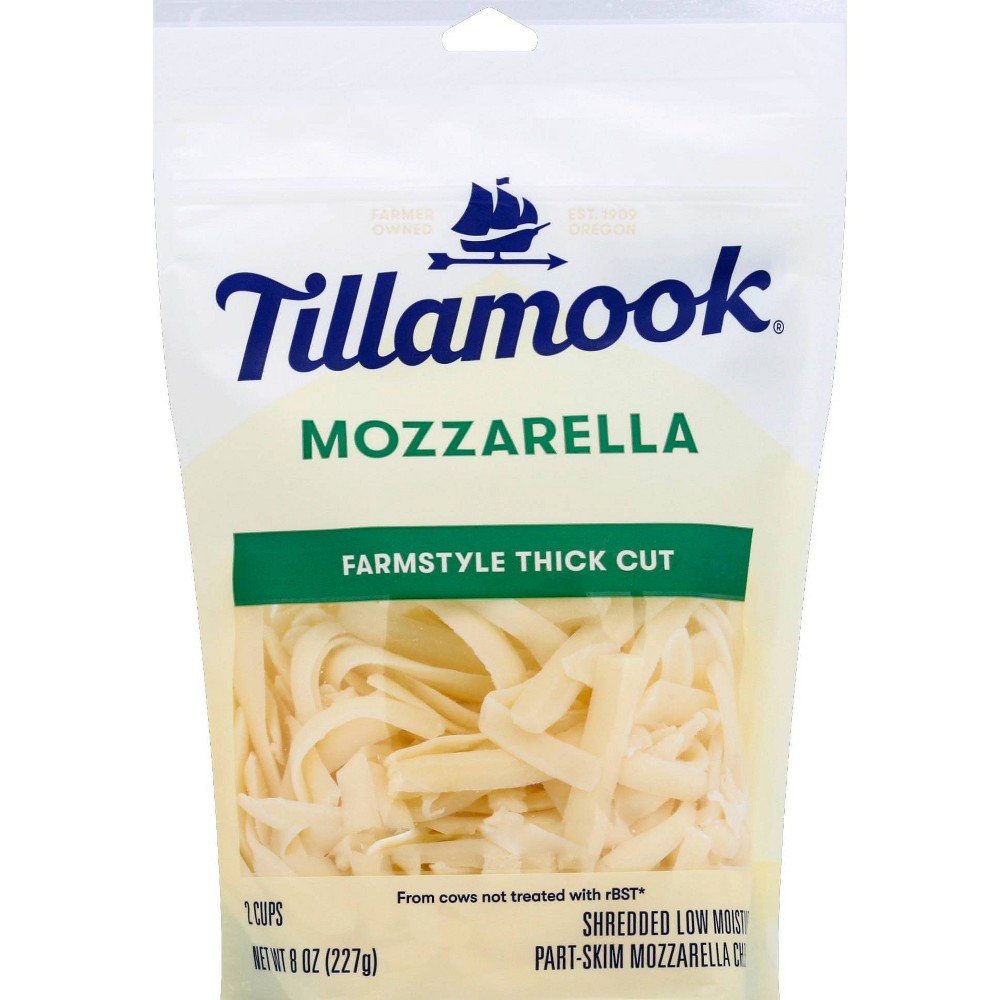
This shredded mozzarella cheese is made from cultured pasteurized part-skim milk, salt, and enzymes, which are typical and beneficial ingredients in cheese production. However, it includes natamycin as a mold inhibitor, which, while natural, is not essential in traditional cheese-making and indicates a higher level of processing. The presence of potato starch to prevent caking also contributes to its processed nature, limiting its score despite the overall clean ingredient list. Its plastic packaging can shed microplastics into the food and lowers its score.
Key ingredients 5
Cultured pasteurized part-skim milkGood
This ingredient is a primary component of cheese, providing essential nutrients like calcium and protein. The pasteurization process ensures safety by eliminating harmful bacteria. Part-skim milk reduces fat content while maintaining nutritional value.
Benefits
Rich in calcium and protein, supporting bone health and muscle maintenance.
EnzymesGood
Enzymes are crucial for the cheese-making process, aiding in the coagulation of milk. They are typically derived from natural sources and are essential for developing cheese texture and flavor. The use of enzymes is a traditional practice in cheese production.
Benefits
Essential for cheese production, contributing to texture and flavor development.
SaltNeutral
Salt is used for flavor enhancement and preservation in cheese. It is a common culinary ingredient with no significant processing concerns. However, excessive consumption can lead to health issues like hypertension.
Risks
High sodium intake may contribute to hypertension and cardiovascular issues.
Potato starchNeutral
Potato starch is added to prevent caking in shredded cheese products. It is a natural carbohydrate with minimal processing. While it serves a functional purpose, it does not contribute significant nutritional value.
See more about Potato starch →NatamycinBad
Natamycin is a natural mold inhibitor used to extend the shelf life of cheese. While it is considered safe in small amounts, its use as a preservative raises concerns about potential over-reliance on additives. It is not necessary for traditional cheese-making processes.
Risks
Potential for over-reliance on preservatives and additives in food products.
Benefits
Helps prevent mold growth, extending the shelf life of cheese products.
Processing
Processed Foods
Get the full breakdown in the Scout appTake Scout shopping
Scan any product to see lab results, healthy alternatives, and your personalized analysis.
Are you Tillamook? Fix an error Get the badge Get tested
Amazon pricing & content
Amazon price as of . Product prices and availability are accurate as of the date/time indicated and are subject to change. Any price and availability information displayed on Amazon.com at the time of purchase will apply to the purchase of this product.
CERTAIN CONTENT THAT APPEARS ON THIS SITE COMES FROM AMAZON. THIS CONTENT IS PROVIDED “AS IS” AND IS SUBJECT TO CHANGE OR REMOVAL AT ANY TIME.