





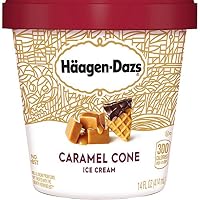
At a glance
Summary
This ice cream contains high-quality ingredients like cream and egg yolks, which provide beneficial nutrients and healthy fats. However, it also includes a significant amount of cane sugar, which is a refined sugar contributing to increased calorie intake without essential nutrients. The product is moderately processed, which limits its score despite the presence of some wholesome ingredients.
Key ingredients 8
CreamGood
Cream is a source of high-quality saturated fats and fat-soluble vitamins. It is minimally processed and provides a rich texture to dairy products. Grass-fed cream can offer additional omega-3 fatty acids and CLA.
Risks
Excessive consumption can lead to increased calorie intake and potential weight gain.
Benefits
Provides essential fat-soluble vitamins and contributes to a creamy texture in foods.
Egg yolksGood
Egg yolks are rich in essential nutrients, including vitamins A, D, E, and K, as well as healthy fats. They provide lecithin, which acts as a natural emulsifier. Pasture-raised eggs offer higher levels of omega-3 fatty acids.
Risks
High cholesterol content may be a concern for individuals with specific dietary restrictions.
Benefits
Excellent source of essential vitamins and healthy fats, contributing to the nutritional profile of foods.
Cocoa butterGood
Natural traditional fat pressed from cacao.
Risks
High in calories and saturated fats, which may contribute to weight gain if consumed in excess.
Benefits
Provides a smooth texture and rich flavor to chocolate products.
VanillaGood
Beneficial ingredient — whole-food or functional value in this product class.
Benefits
Enhances flavor and aroma in food products.
Skim milkNeutral
Skim milk is a low-fat dairy option that provides protein and calcium. It is processed to remove most of the fat content. While it lacks the fat-soluble vitamins found in whole milk, it is still a good source of calcium.
Benefits
Good source of calcium and protein with reduced fat content.
Cocoa processed with alkaliNeutral
Cocoa processed with alkali, also known as Dutch-processed cocoa, has a milder flavor and darker color. The alkalization process reduces acidity but may also decrease some antioxidant content. It is commonly used in chocolate products for its smooth taste.
Benefits
Provides flavor and color to chocolate products, though with reduced antioxidant levels compared to natural cocoa.
ChocolateNeutral
Chocolate provides flavor and is a source of antioxidants, particularly flavonoids. The quality of chocolate can vary based on cocoa content and processing methods. Dark chocolate with higher cocoa content offers more health benefits.
Risks
Excessive consumption can lead to high calorie intake and potential weight gain.
Benefits
Contains antioxidants that may support heart health when consumed in moderation.
Cane sugarBad
Cane sugar is a refined sugar that contributes to increased calorie intake without providing essential nutrients. It is associated with increased risk of obesity and metabolic disorders when consumed in excess. Unlike natural sweeteners, it lacks additional nutritional benefits.
Risks
High consumption can lead to obesity, insulin resistance, and dental cavities.
Processing
Processed Foods
Get the full breakdown in the Scout appTake Scout shopping
Scan any product to see lab results, healthy alternatives, and your personalized analysis.
Download on theApp Store GET IT ONGoogle Play