At a glance
FDA recall notice
This product's barcode is listed in an FDA recall notice. A recall covers only the packages its notice lists, so check yours against it.
Summary
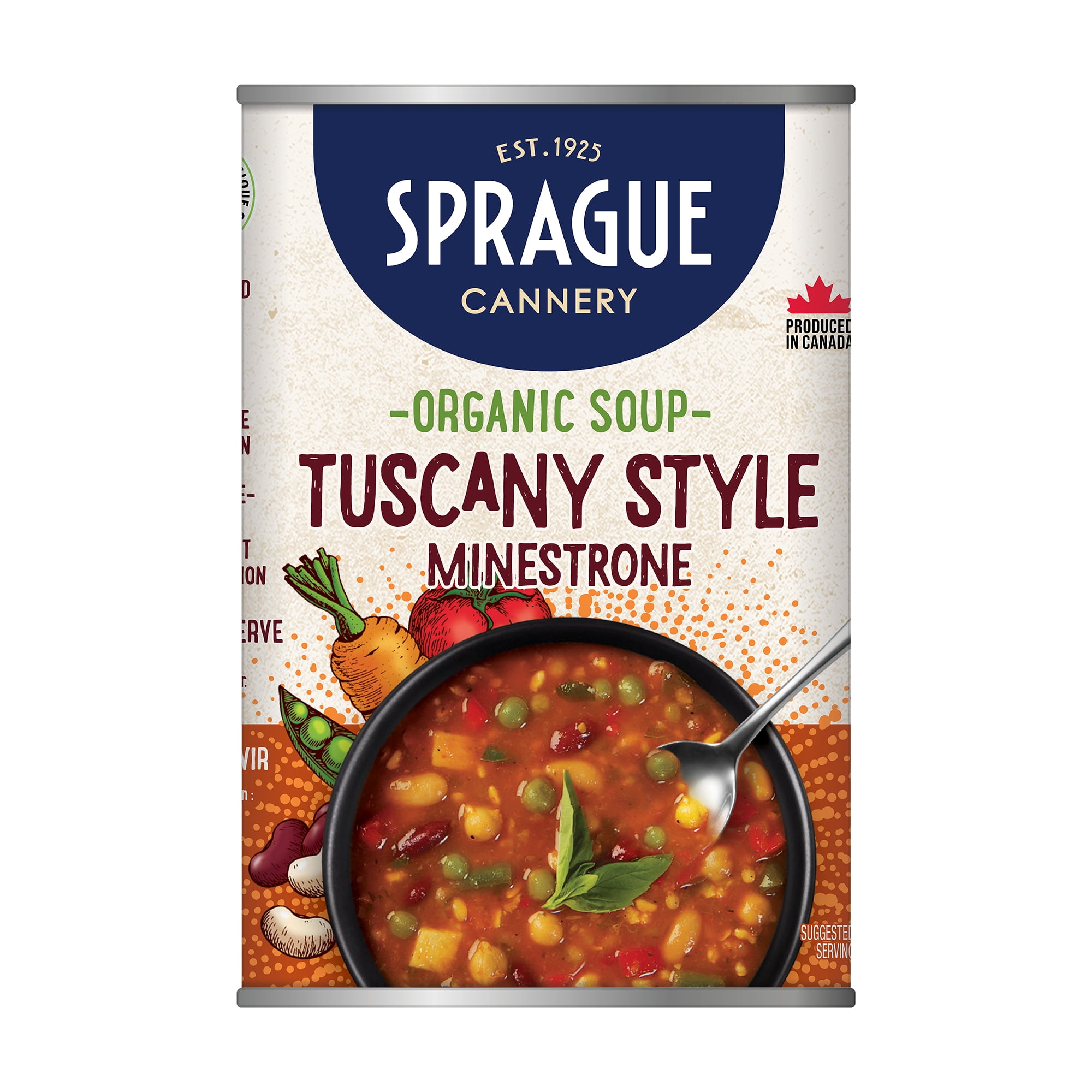
This minestrone soup contains a variety of beneficial ingredients such as tomatoes, beans, and vegetables, which contribute to its nutritional value. However, the presence of safflower seed oil, a seed oil high in omega-6 fatty acids, and broth concentrate with vague 'natural flavors' detracts from its healthiness. Additionally, the soup is classified as ultra-processed, which limits its overall score despite the presence of some whole food ingredients.
Key ingredients 25
Great northern beansVery Good
Great northern beans are high in fiber and protein, supporting digestive health and muscle maintenance. They are minimally processed and provide essential nutrients. Their low glycemic index helps in blood sugar management.
Benefits
High in fiber and protein, promoting satiety and digestive health. Contains essential vitamins and minerals.
SpinachVery Good
Spinach is a nutrient-dense leafy green rich in vitamins, minerals, and antioxidants. It is minimally processed and enhances the nutritional profile of the soup. Its high iron content supports blood health.
Benefits
Rich in vitamins and minerals, supporting overall health and reducing oxidative stress.
Extra virgin olive oilVery Good
Extra virgin olive oil is a high-quality monounsaturated fat with anti-inflammatory properties. It contains antioxidants that support heart health. Cold-pressed extraction preserves beneficial compounds.
Benefits
Rich in monounsaturated fats that support heart health and provide anti-inflammatory properties. Contains antioxidants like vitamin E and polyphenols that may reduce oxidative stress.
Ground tomatoesGood
Ground tomatoes are a good source of vitamins A and C and antioxidants like lycopene. They are minimally processed and retain most of their nutritional benefits. The presence of salt and citric acid helps preserve the tomatoes.
Risks
Excessive consumption of salt may lead to increased blood pressure.
Benefits
Rich in antioxidants that may reduce the risk of chronic diseases. Provides essential vitamins and minerals.
Yellow squashGood
Yellow squash is a low-calorie vegetable rich in vitamins A and C. It is minimally processed and retains its nutritional value. It adds fiber and essential nutrients to the diet.
Benefits
Provides vitamins and fiber, supporting overall health and digestion.
Diced tomatoesGood
Diced tomatoes are a good source of vitamins and antioxidants, similar to ground tomatoes. They are minimally processed and retain their nutritional benefits. The addition of tomato juice, salt, and citric acid aids in preservation.
Risks
Excessive salt intake can lead to health issues like hypertension.
Benefits
Rich in antioxidants and vitamins, supporting immune health and reducing inflammation.
CeleryGood
Celery is a low-calorie vegetable that provides fiber and essential vitamins. It is minimally processed and adds crunch and flavor to the soup. Its high water content aids in hydration.
Benefits
Rich in fiber and vitamins, supporting digestive health and hydration.
OnionsGood
Onions are a flavorful vegetable rich in antioxidants and vitamins. They are minimally processed and enhance the taste of the soup. Their sulfur compounds may have anti-inflammatory effects.
Benefits
Rich in antioxidants and vitamins, supporting immune health and reducing inflammation.
CarrotsGood
Carrots are a nutritious vegetable high in beta-carotene, fiber, and vitamins. They are minimally processed and retain their nutritional benefits. Beta-carotene is converted to vitamin A, essential for vision and immune function.
Benefits
High in beta-carotene and fiber, supporting vision and digestive health.
GarlicGood
Garlic is a flavorful ingredient with potential health benefits due to its sulfur compounds. It is minimally processed and adds depth to the soup's flavor. Its compounds may support heart health and immune function.
Benefits
Contains compounds that may support heart health and boost the immune system.
BasilGood
Basil is an aromatic herb rich in antioxidants and essential oils. It is minimally processed and enhances the flavor profile of the soup. Its compounds may have anti-inflammatory and antimicrobial properties.
Benefits
Rich in antioxidants and essential oils, supporting health and enhancing flavor.
Sea saltGood
Sea salt is a minimally processed source of sodium and trace minerals. It enhances the flavor of the soup without the additives found in refined salt. Its mineral content can support electrolyte balance.
Risks
Excessive sodium intake can lead to health issues like hypertension.
Benefits
Provides essential minerals and enhances flavor without additives.
PaprikaGood
Paprika is a spice rich in antioxidants and vitamins, particularly vitamin A. It is minimally processed and adds color and flavor to the soup. Its compounds may have anti-inflammatory properties.
Benefits
Rich in antioxidants and vitamins, supporting health and enhancing flavor.
Bay leafGood
Bay leaf is an aromatic herb used to enhance flavor in cooking. It is minimally processed and adds depth to the soup's flavor profile. Its essential oils may have mild antimicrobial properties.
Benefits
Enhances flavor and may provide mild antimicrobial benefits.
Black pepperGood
Black pepper is a spice that adds flavor and contains piperine, which may enhance nutrient absorption. It is minimally processed and provides antioxidants. Its compounds may support digestion and metabolism.
Benefits
Enhances flavor and may improve nutrient absorption and digestion.
Fennel seedGood
Fennel seed is a spice with a distinct flavor and potential digestive benefits. It is minimally processed and contains essential oils that may support digestion. Its compounds may have antioxidant properties.
Benefits
Supports digestion and provides antioxidants, enhancing flavor.
Red pepper flakesGood
Red pepper flakes add heat and flavor, containing capsaicin, which may have metabolic benefits. They are minimally processed and provide antioxidants. Capsaicin may support metabolism and reduce inflammation.
Benefits
Contains capsaicin, which may boost metabolism and reduce inflammation.
WaterNeutral
Water is a neutral ingredient that serves as a base for the soup. It is essential for hydration but does not provide significant nutritional value. It acts as a solvent for other ingredients.
See more about Water →Ditalini pastaNeutral
Ditalini pasta provides carbohydrates for energy but is refined and lacks significant nutritional benefits. It is made from unbleached durum wheat semolina and egg whites, which are standard pasta ingredients. The processing removes some nutrients found in whole grains.
Risks
Refined carbohydrates can contribute to blood sugar spikes if consumed in excess.
Benefits
Provides energy through carbohydrates, which are essential for bodily functions.
Grated parmesan cheeseNeutral
Grated parmesan cheese adds flavor and some protein to the soup. It is processed with pasteurized milk, cheese cultures, salt, and microbial enzymes. While it provides calcium, it is also high in sodium.
Risks
High sodium content may contribute to increased blood pressure if consumed in excess.
Benefits
Provides calcium and protein, supporting bone health and muscle maintenance.
White cornNeutral
White corn provides carbohydrates and some fiber but is less nutrient-dense than other vegetables. It is minimally processed and adds texture to the soup. Its nutritional profile is similar to other starchy vegetables.
Benefits
Provides carbohydrates for energy and some fiber for digestion.
Xanthan gumNeutral
Xanthan gum is a common food additive used as a thickener and stabilizer. It is derived from fermented sugars and is generally considered safe in small amounts. It does not provide nutritional benefits but improves texture.
Risks
Excessive consumption may cause digestive discomfort in sensitive individuals.
Benefits
Improves texture and stability of the soup without significant nutritional benefits.
Lemon juice concentrateNeutral
Lemon juice concentrate is used for flavor and acidity but is processed and lacks the nutritional benefits of fresh lemon juice. It provides citric acid, which acts as a preservative. The concentration process reduces its vitamin C content.
Benefits
Adds flavor and acidity, enhancing the taste of the soup.
Broth concentrateBad
Broth concentrate often contains high levels of sodium and 'natural flavors' which can be vague and processed. It may include yeast extract, which is a source of glutamates. The processing and additives reduce its nutritional quality.
Risks
High sodium content and potential for hidden additives may pose health risks if consumed in excess.
Benefits
Adds flavor to the soup, enhancing taste and palatability.
Expeller pressed safflower seed oilVery Bad
Safflower seed oil is a seed oil high in omega-6 fatty acids, which can promote inflammation when consumed in excess. The expeller-pressed method is a mechanical extraction process, but the oil's high omega-6 content remains a concern. It lacks the beneficial compounds found in healthier oils like olive oil.
Risks
High omega-6 content may promote inflammation when consumed in excess.
Processing
Ultra-Processed Foods
Get the full breakdown in the Scout appTake Scout shopping
Scan any product to see lab results, healthy alternatives, and your personalized analysis.
Are you Whole Foods Market? Fix an error Get the badge Get tested
Amazon pricing & content
CERTAIN CONTENT THAT APPEARS ON THIS SITE COMES FROM AMAZON. THIS CONTENT IS PROVIDED “AS IS” AND IS SUBJECT TO CHANGE OR REMOVAL AT ANY TIME.