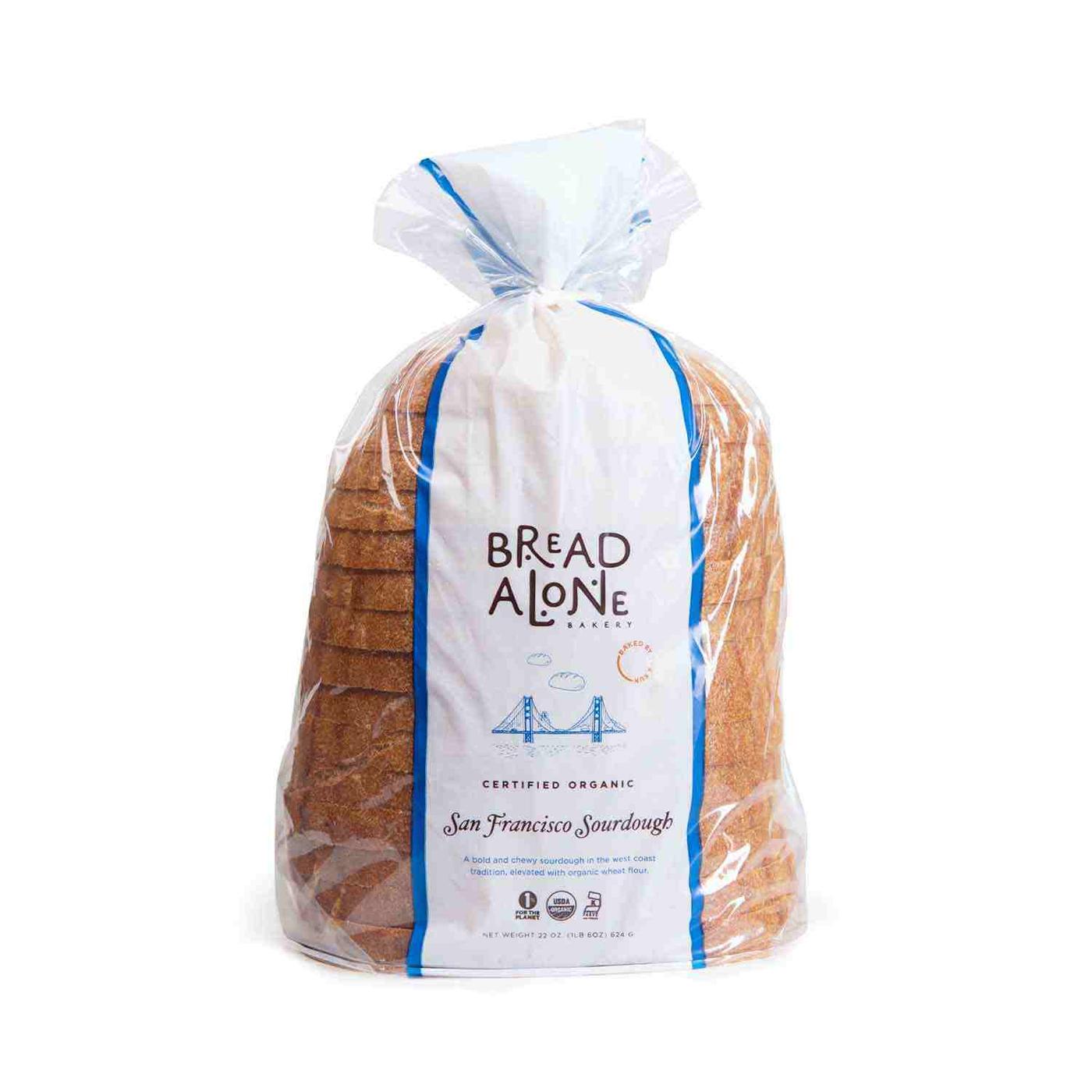
Whole Foods Market San Francisco Sourdough Half Loaf
Whole Foods Market
At a glance
Summary
This sourdough bread is made with enriched flour and includes several additives such as dextrose and malted barley flour, which contribute to its high processing level. While it avoids harmful ingredients like high-fructose corn syrup and artificial colors, the presence of enriched flour and the ultra-processed nature of the product limit its healthfulness. Whole Foods Market's sourcing standards provide some assurance of quality, but the processing level remains a significant factor in the score.
Key ingredients 15
Wheat flourNeutral
Wheat flour is a staple ingredient in bread, providing structure and texture. It is a refined grain, which means it lacks the bran and germ found in whole grains. While it is a common ingredient, it does not offer significant nutritional benefits compared to whole grain options.
Risks
Refined wheat flour may contribute to blood sugar spikes and lacks fiber.
Benefits
Provides carbohydrates for energy but lacks the nutritional benefits of whole grains.
Malted barley flourNeutral
Malted barley flour is used to enhance flavor and improve the texture of baked goods. It is a processed ingredient that adds sweetness and aids in fermentation. While it contributes to the bread's flavor profile, it does not offer significant health benefits.
Benefits
Enhances flavor and aids in the fermentation process of the bread.
NiacinNeutral
Niacin, also known as vitamin B3, is added to enriched flours to replace nutrients lost during processing. It is essential for energy metabolism and maintaining healthy skin. While beneficial, it is typically consumed in adequate amounts through a balanced diet.
Benefits
Essential for energy metabolism and maintaining healthy skin.
IronNeutral
Iron is an essential mineral added to enriched flours to prevent deficiencies. It plays a crucial role in oxygen transport and energy production. While important, it is best absorbed from animal sources.
Risks
Excessive iron intake can lead to toxicity, but this is rare from dietary sources alone.
Benefits
Crucial for oxygen transport and energy production in the body.
Thiamine mononitrateNeutral
Thiamine mononitrate is a form of vitamin B1 added to enriched flours. It is vital for carbohydrate metabolism and nerve function. While beneficial, it is typically consumed in adequate amounts through a balanced diet.
Benefits
Vital for carbohydrate metabolism and nerve function.
RiboflavinNeutral
Riboflavin, or vitamin B2, is added to enriched flours to support energy production and cellular function. It is a water-soluble vitamin that is generally well-tolerated. While beneficial, it is typically consumed in adequate amounts through a balanced diet.
Benefits
Supports energy production and cellular function.
Folic acidNeutral
Folic acid is a synthetic form of folate added to enriched flours to prevent neural tube defects. It is crucial for DNA synthesis and cell division. While beneficial, natural folate from whole foods is preferred.
Risks
Excessive intake of folic acid can mask vitamin B12 deficiency.
Benefits
Crucial for DNA synthesis and preventing neural tube defects.
WaterNeutral
Water is a fundamental ingredient in bread, necessary for dough formation and yeast activation. It is a neutral ingredient with no direct nutritional impact. Its primary role is functional in the baking process.
Benefits
Essential for dough formation and yeast activation in baking.
Sour motherNeutral
Sour mother is a natural leavening agent used in sourdough bread to provide flavor and fermentation. It is a traditional ingredient that contributes to the bread's unique taste. While it enhances flavor, it does not offer significant nutritional benefits.
Benefits
Enhances flavor and aids in the natural fermentation process.
Sourdough starterNeutral
Sourdough starter is a mixture of flour and water fermented with wild yeast and bacteria. It is used to leaven bread and develop flavor. While it contributes to the bread's taste and texture, it does not provide significant nutritional benefits.
Benefits
Contributes to the bread's flavor and texture through natural fermentation.
Whole grain malted barley flourNeutral
Whole grain malted barley flour is used to enhance flavor and improve the texture of baked goods. It is a processed ingredient that adds sweetness and aids in fermentation. While it contributes to the bread's flavor profile, it does not offer significant health benefits.
Benefits
Enhances flavor and aids in the fermentation process of the bread.
SaltNeutral
Salt is used in bread to enhance flavor and control yeast activity. It is a common ingredient that is generally well-tolerated in moderation. While it is necessary for flavor, excessive intake can lead to health issues.
Risks
Excessive salt intake can contribute to high blood pressure and cardiovascular issues.
Benefits
Enhances flavor and controls yeast activity in bread.
Whole wheat flourNeutral
Whole wheat flour is a whole grain ingredient that provides fiber and nutrients. It is less processed than refined flour, retaining the bran and germ. While it offers more nutritional benefits than refined flour, it is not the primary ingredient in this product.
Benefits
Provides fiber and nutrients, offering more benefits than refined flour.
Wheat branNeutral
Wheat bran is the outer layer of the wheat kernel, rich in fiber and nutrients. It is added to improve the nutritional profile of bread. While beneficial for digestion, it is not the primary ingredient in this product.
Benefits
Rich in fiber, supporting digestive health and nutrient intake.
DextroseNeutral
Dextrose is a simple sugar used to enhance flavor and aid in fermentation. It is a refined carbohydrate that provides quick energy. While it serves a functional role, it does not offer significant nutritional benefits.
Risks
Excessive consumption of simple sugars can lead to blood sugar spikes.
Benefits
Provides quick energy and aids in the fermentation process.
Processing
Ultra-Processed Foods
Get the full breakdown in the Scout appTake Scout shopping
Scan any product to see lab results, healthy alternatives, and your personalized analysis.
Are you Whole Foods Market? Fix an error Get the badge Get tested
Amazon pricing & content
CERTAIN CONTENT THAT APPEARS ON THIS SITE COMES FROM AMAZON. THIS CONTENT IS PROVIDED “AS IS” AND IS SUBJECT TO CHANGE OR REMOVAL AT ANY TIME.