
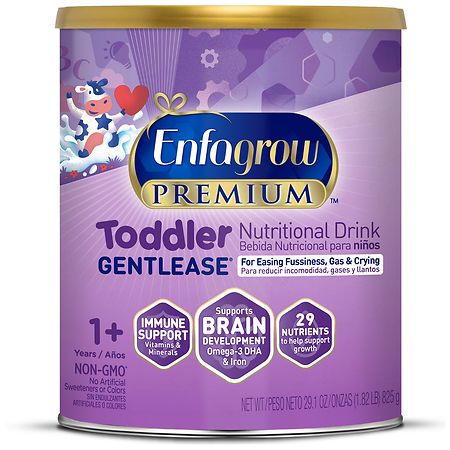

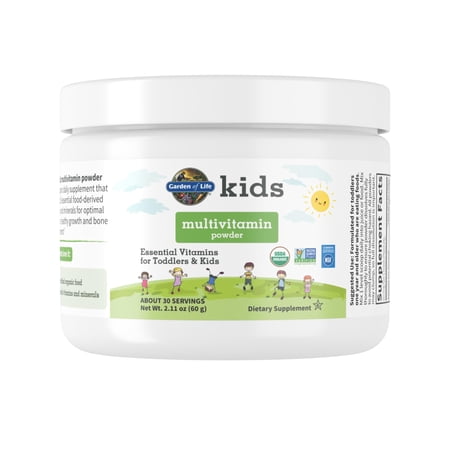
Enfagrow Gentlease Toddler Can - 29.1oz: Pediatric Supplement, Powdered, Age Stage Toddler
Analysis updated September 2026 · How Scout scores
At a glance
Summary
This toddler supplement contains beneficial ingredients such as partially hydrolyzed nonfat milk, whey protein concentrate, and essential vitamins and minerals that support growth and development. However, the presence of corn syrup solids, a processed form of sugar, raises concerns due to its potential contribution to excessive calorie intake and weight gain. The product also includes a mix of vegetable oils, which are not ideal for a toddler's diet, impacting the overall formulation quality.
Key ingredients 34
Partially Hydrolyzed Nonfat MilkGood
Partially hydrolyzed nonfat milk provides a source of protein and essential nutrients like calcium. The hydrolyzation process breaks down proteins, making them easier to digest, which is beneficial for toddlers. It supports growth and development in young children.
Benefits
Provides essential nutrients and is easier to digest, supporting healthy growth in toddlers.
Whey Protein Concentrate SolidsGood
Whey protein concentrate is a high-quality protein source that contains all essential amino acids. It supports muscle growth and repair, making it beneficial for growing toddlers. It is derived from milk and is easily digestible.
Benefits
Rich in essential amino acids, supporting muscle growth and overall development.
Calcium PhosphateGood
Calcium phosphate is a source of calcium and phosphorus, both crucial for bone health and development. It helps in the formation and maintenance of strong bones and teeth. It is commonly used in supplements to ensure adequate mineral intake.
Benefits
Supports bone health and development by providing essential minerals.
Mortierella Alpina OilGood
Mortierella alpina oil is a source of arachidonic acid, an omega-6 fatty acid important for brain development and immune function. It is often included in infant and toddler formulas to mimic the fatty acid profile of breast milk. It supports cognitive and immune health.
Benefits
Supports brain development and immune function with essential fatty acids.
Schizochytrium Sp. OilGood
Schizochytrium sp. oil is a rich source of DHA, an omega-3 fatty acid crucial for brain and eye development. It is derived from microalgae and is a sustainable alternative to fish oil. DHA is essential for cognitive function and visual acuity.
Benefits
Provides DHA, supporting brain and eye development in toddlers.
Ferrous SulfateGood
Ferrous sulfate is a form of iron, essential for the production of hemoglobin and oxygen transport in the blood. It is commonly used to prevent or treat iron deficiency anemia. Adequate iron intake is crucial for cognitive development and energy levels.
Risks
Excessive iron intake can cause gastrointestinal issues, but this is unlikely at recommended levels.
Benefits
Supports oxygen transport and cognitive development by providing essential iron.
Magnesium PhosphateGood
Magnesium phosphate provides magnesium, a mineral important for muscle and nerve function, as well as bone health. It is included in supplements to ensure adequate intake. Magnesium supports numerous biochemical reactions in the body.
Benefits
Supports muscle, nerve function, and bone health with essential magnesium.
Potassium IodideGood
Potassium iodide is a source of iodine, essential for thyroid function and hormone production. It is included in supplements to prevent iodine deficiency. Adequate iodine intake is crucial for metabolic regulation and cognitive development.
Risks
Excessive iodine intake can affect thyroid function, but this is unlikely at recommended levels.
Benefits
Supports thyroid function and hormone production with essential iodine.
Sodium SeleniteGood
Sodium selenite is a source of selenium, an essential trace mineral with antioxidant properties. It supports immune function and thyroid health. Selenium is important for protecting cells from oxidative damage.
Risks
Excessive selenium intake can lead to toxicity, but this is unlikely at recommended levels.
Benefits
Supports immune function and protects cells from oxidative damage with essential selenium.
Zinc SulfateGood
Zinc sulfate provides zinc, a mineral important for immune function, wound healing, and DNA synthesis. It is included in supplements to ensure adequate intake. Zinc supports growth and development, especially in children.
Risks
Excessive zinc intake can interfere with copper absorption, but this is unlikely at recommended levels.
Benefits
Supports immune function and growth with essential zinc.
Choline ChlorideGood
Choline chloride is a source of choline, important for brain development and liver function. It is included in supplements to support cognitive health. Choline is essential for neurotransmitter synthesis and cell membrane integrity.
Benefits
Supports brain development and cognitive health with essential choline.
Ascorbic AcidGood
Ascorbic acid, also known as vitamin C, is an antioxidant that supports immune function and collagen synthesis. It is essential for the repair of tissues and enzymatic production of certain neurotransmitters. Vitamin C enhances iron absorption from plant-based foods.
Benefits
Supports immune function and enhances iron absorption with antioxidant properties.
BiotinGood
Biotin, also known as vitamin B7, supports metabolism and is important for healthy skin, hair, and nails. It acts as a coenzyme in the metabolism of fatty acids and amino acids. Biotin is essential for energy production and maintaining healthy bodily functions.
Benefits
Supports metabolism and promotes healthy skin, hair, and nails.
Calcium PantothenateGood
Calcium pantothenate is a form of vitamin B5, important for synthesizing coenzyme A and metabolizing carbohydrates, proteins, and fats. It supports energy production and the synthesis of hormones and cholesterol. Vitamin B5 is essential for maintaining healthy skin and reducing fatigue.
Benefits
Supports energy production and hormone synthesis with essential vitamin B5.
NiacinamideGood
Niacinamide, a form of vitamin B3, supports energy metabolism and DNA repair. It is important for maintaining healthy skin and reducing inflammation. Vitamin B3 is essential for converting food into energy and maintaining cellular health.
Benefits
Supports energy metabolism and maintains healthy skin with essential vitamin B3.
RiboflavinGood
Riboflavin, also known as vitamin B2, is important for energy production and the metabolism of fats, drugs, and steroids. It supports the function of other B vitamins and is essential for growth and red blood cell production. Riboflavin helps maintain healthy skin and eyes.
Benefits
Supports energy production and maintains healthy skin and eyes with essential vitamin B2.
Thiamin HydrochlorideGood
Thiamin hydrochloride, a form of vitamin B1, is essential for carbohydrate metabolism and nerve function. It supports energy production and is crucial for the proper functioning of the heart, muscles, and nervous system. Thiamin is important for converting food into energy.
Benefits
Supports energy production and nerve function with essential vitamin B1.
Vitamin B12Good
Vitamin B12 is essential for red blood cell formation, DNA synthesis, and neurological function. It supports energy production and is crucial for maintaining healthy nerve cells. Adequate vitamin B12 intake prevents anemia and supports cognitive health.
Benefits
Supports red blood cell formation and neurological function with essential vitamin B12.
Vitamin B6 HydrochlorideGood
Vitamin B6 hydrochloride is important for protein metabolism, cognitive development, and immune function. It supports the production of neurotransmitters and hemoglobin. Vitamin B6 is essential for brain health and reducing inflammation.
Benefits
Supports cognitive development and immune function with essential vitamin B6.
Vitamin D3Good
Vitamin D3 is crucial for calcium absorption and bone health. It supports immune function and reduces inflammation. Adequate vitamin D3 intake is essential for maintaining healthy bones and preventing rickets in children.
Benefits
Supports calcium absorption and bone health with essential vitamin D3.
Vitamin K1Good
Vitamin K1 is important for blood clotting and bone metabolism. It supports the synthesis of proteins required for blood coagulation. Adequate vitamin K1 intake is essential for preventing bleeding disorders and maintaining bone health.
Benefits
Supports blood clotting and bone metabolism with essential vitamin K1.
InositolGood
Inositol is a carbohydrate that supports cell membrane health and neurotransmitter function. It is important for brain health and may help regulate mood and insulin sensitivity. Inositol is often included in supplements for its potential benefits in mental health.
Benefits
Supports brain health and neurotransmitter function with potential mental health benefits.
Vitamin E AcetateGood
Vitamin E acetate is an antioxidant that protects cells from oxidative damage. It supports immune function and skin health. Adequate vitamin E intake is essential for protecting cells and maintaining healthy skin.
Benefits
Protects cells from oxidative damage and supports immune function with antioxidant properties.
TaurineGood
Taurine is an amino acid that supports cardiovascular health and development. It is important for brain and eye development in infants and toddlers. Taurine is often included in formulas to mimic the composition of breast milk.
Benefits
Supports cardiovascular health and development with essential amino acids.
L-CarnitineGood
L-carnitine is important for energy production and fat metabolism. It supports the transport of fatty acids into mitochondria for energy production. L-carnitine is essential for maintaining energy levels and supporting metabolic health.
Benefits
Supports energy production and fat metabolism with essential amino acids.
Vegetable OilNeutral
The vegetable oil blend includes palm olein, coconut, soy, and high oleic sunflower oils. High oleic sunflower oil is bred to be low in linoleic acid, reducing potential inflammatory effects. The blend provides essential fatty acids necessary for brain development.
Risks
Excessive consumption of certain oils can lead to imbalanced fatty acid intake.
Benefits
Provides essential fatty acids that support brain development.
Calcium ChlorideNeutral
Calcium chloride is used to provide calcium, an essential mineral for bone health. It is commonly used in food processing as a firming agent. It helps maintain proper calcium levels in the body.
Benefits
Contributes to maintaining adequate calcium levels for bone health.
Cupric SulfateNeutral
Cupric sulfate is a source of copper, a trace mineral important for iron metabolism and neurological function. It is included in small amounts to meet dietary requirements. Copper is essential for various enzymatic processes in the body.
Risks
Excessive copper intake can lead to toxicity, but this is unlikely at the levels present in supplements.
Benefits
Supports iron metabolism and neurological function as a trace mineral.
Manganese SulfateNeutral
Manganese sulfate is a source of manganese, a trace mineral involved in bone formation and metabolism. It is included in small amounts to meet dietary needs. Manganese is essential for enzyme function and bone health.
Risks
Excessive manganese intake can lead to neurological issues, but this is unlikely at the levels present in supplements.
Benefits
Supports bone formation and metabolism as a trace mineral.
Potassium ChlorideNeutral
Potassium chloride is used to provide potassium, an essential electrolyte for maintaining fluid balance and proper muscle function. It is commonly used in food processing and supplements. Potassium is crucial for heart and muscle health.
Risks
Excessive potassium intake can lead to hyperkalemia, but this is unlikely at recommended levels.
Benefits
Supports fluid balance and muscle function with essential potassium.
Sodium CitrateNeutral
Sodium citrate is used as an acidity regulator and to enhance flavor. It is commonly used in food processing and has no significant nutritional value. It helps maintain the stability and taste of the product.
See more about Sodium Citrate →Folic AcidNeutral
Standard formulation ingredient — neither beneficial nor harmful at typical use.
Benefits
Supports DNA synthesis and prevents birth defects with essential vitamin B9.
Vitamin A PalmitateNeutral
Standard formulation ingredient — neither beneficial nor harmful at typical use.
Risks
Excessive vitamin A intake can lead to toxicity, but this is unlikely at recommended levels.
Benefits
Supports vision and immune function with essential vitamin A.
Corn Syrup SolidsBad
Corn syrup solids are a processed form of sugar that can contribute to excessive calorie intake and potential weight gain. They are often used as a cheap sweetener and lack nutritional benefits. High consumption of added sugars is linked to various health issues, including obesity and metabolic syndrome.
Risks
High intake of added sugars can lead to obesity, insulin resistance, and increased risk of chronic diseases.
Processing
Processed Foods
Get the full breakdown in the Scout appTake Scout shopping
Scan any product to see lab results, healthy alternatives, and your personalized analysis.
Download on theApp Store GET IT ONGoogle PlayAmazon pricing & content
Amazon price as of . Product prices and availability are accurate as of the date/time indicated and are subject to change. Any price and availability information displayed on Amazon.com at the time of purchase will apply to the purchase of this product.
CERTAIN CONTENT THAT APPEARS ON THIS SITE COMES FROM AMAZON. THIS CONTENT IS PROVIDED “AS IS” AND IS SUBJECT TO CHANGE OR REMOVAL AT ANY TIME.