

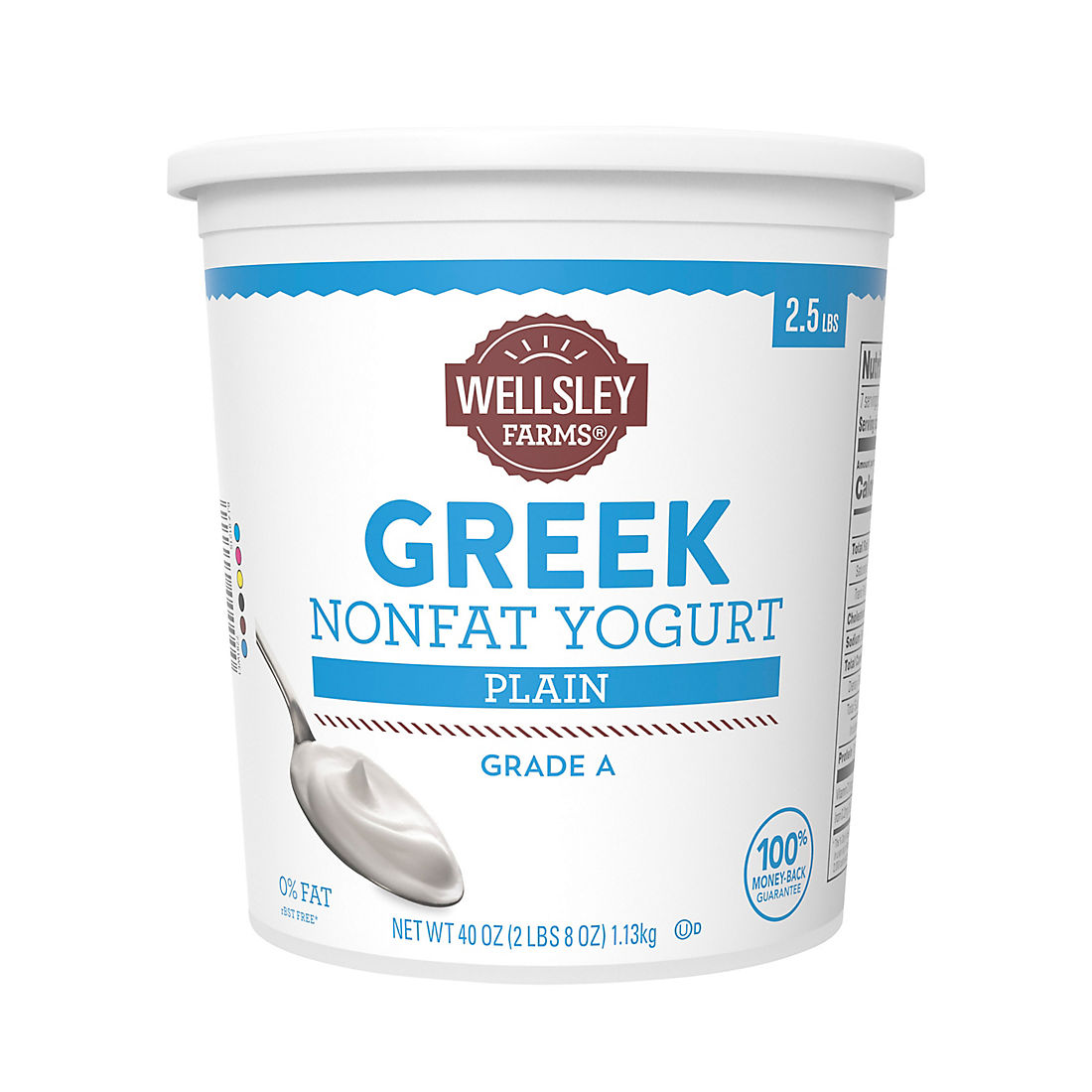


Friendly Farms Super Zero Blended Nonfat Greek Yogurt Mixed Berry
Analysis updated September 2026 · How Scout scores
At a glance
Summary
This yogurt is ultra-processed, which limits its potential health score. While it contains beneficial probiotic cultures that support gut health, the presence of natural flavors, which are highly processed and lack transparency, is a concern. The product also includes corn starch and fruit juice concentrate for color, contributing to its processing level.
Key ingredients 12
Sea saltGood
Sea salt is a natural source of sodium and trace minerals, minimally processed compared to table salt. It enhances flavor and provides essential electrolytes. Its unrefined nature retains beneficial minerals.
Risks
Excessive sodium intake can lead to hypertension and cardiovascular issues.
Benefits
Provides essential electrolytes and trace minerals, supporting hydration and nerve function.
Streptococcus thermophilusGood
This is a probiotic culture used in yogurt production, beneficial for gut health. It helps in the fermentation process, improving digestion and nutrient absorption. Regular consumption can support a healthy microbiome.
Benefits
Supports gut health and improves digestion through probiotic activity.
Lactobacillus bulgaricusGood
Lactobacillus bulgaricus is a beneficial bacteria used in yogurt fermentation, promoting digestive health. It aids in breaking down lactose, making yogurt more digestible for lactose-intolerant individuals. Its probiotic nature supports a healthy gut microbiome.
Benefits
Enhances gut health and aids in lactose digestion, beneficial for lactose-intolerant individuals.
L. acidophilusGood
L. acidophilus is a well-known probiotic that supports digestive health and immune function. It helps maintain a balanced gut flora and can improve lactose digestion. Regular intake is associated with various health benefits, including enhanced nutrient absorption.
Benefits
Promotes a healthy gut microbiome and supports immune health.
BifidobacteriumGood
Bifidobacterium is a probiotic that aids in digestion and supports a healthy immune system. It is beneficial for maintaining gut health and can help alleviate gastrointestinal issues. Its presence in yogurt enhances the product's probiotic profile.
Benefits
Supports digestive health and boosts the immune system through probiotic activity.
L. paracaseiGood
L. paracasei is a probiotic strain that supports gut health and immune function. It is known for its ability to survive the digestive tract and colonize the gut. Its inclusion in yogurt enhances the probiotic benefits of the product.
Benefits
Enhances gut health and supports immune function through probiotic activity.
Cultured pasteurized nonfat grade a milkNeutral
This ingredient is a primary component of yogurt, providing a source of protein and calcium. It is pasteurized to ensure safety and cultured to promote beneficial bacteria growth. However, being nonfat, it lacks the healthy fats found in whole milk.
Benefits
Provides protein and calcium, essential for bone health and muscle maintenance.
Corn starchNeutral
Corn starch is used as a thickening agent in many food products. It is a refined carbohydrate with minimal nutritional value. While it helps achieve the desired texture, it does not contribute significant health benefits.
Risks
Excessive consumption of refined carbohydrates may contribute to blood sugar spikes.
Fruit juice concentrateNeutral
Fruit juice concentrate is used for coloring and flavoring, derived from fruits. It is more processed than whole fruit, losing some nutritional value. While it adds natural color, it does not provide the fiber or full nutrient profile of whole fruits.
Risks
May contribute to sugar content without providing fiber or full nutrients of whole fruits.
Benefits
Adds natural color and flavor derived from fruits.
PectinNeutral
Pectin is a natural gelling agent derived from fruits, used to thicken and stabilize foods. It is generally recognized as safe and can aid in digestion. However, it does not provide significant nutritional benefits beyond its functional use.
Benefits
May aid in digestion and improve texture of the product.
Steviol glycosidesNeutral
Steviol glycosides are natural sweeteners derived from the stevia plant, providing sweetness without calories. They are considered safe and do not impact blood sugar levels. However, they may have a distinct aftertaste that some consumers find unpleasant.
Benefits
Provides sweetness without calories, suitable for those managing sugar intake.
Natural flavorBad
Natural flavors are often used to enhance taste but can be derived from various sources, making them ambiguous. They are highly processed and lack transparency regarding their composition. This can be concerning for individuals with allergies or sensitivities.
Risks
Potential allergen risk due to undisclosed sources and processing methods.
Processing
Ultra-Processed Foods
Get the full breakdown in the Scout appTake Scout shopping
Scan any product to see lab results, healthy alternatives, and your personalized analysis.
Download on theApp Store GET IT ONGoogle Play