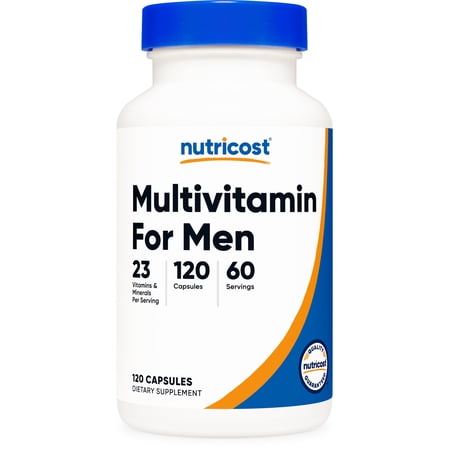
Multivitamines avec minéraux

At a glance
Summary
This multivitamin contains a range of essential vitamins and minerals, such as Vitamin C, Magnesium, and Zinc, which are beneficial for overall health. However, the presence of magnesium stearate and talc, which are controversial due to potential absorption issues and contamination risks, slightly detracts from its overall quality. The formulation includes a moderate number of additives, which impacts the processing level, but the beneficial ingredients still provide significant health benefits. Its plastic packaging can shed microplastics into the product and lowers its score.
Key ingredients 30
Vitamin CVery Good
Vitamin C is a powerful antioxidant that supports immune function and skin health. It is essential for collagen synthesis and helps in the absorption of iron from plant-based foods. Regular intake can reduce the duration of common colds.
Benefits
Supports immune function, skin health, and iron absorption.
Vitamin EVery Good
Vitamin E is a fat-soluble antioxidant that protects cell membranes from oxidative damage. DL-Alpha Tocopherol Acetate is a synthetic form used in supplements. It supports immune function and skin health.
Risks
High doses may interfere with blood clotting.
Benefits
Protects cells from oxidative damage and supports immune function.
Vitamin B9Very Good
Vitamin B9, or folic acid, is crucial for DNA synthesis and cell division. It is especially important during pregnancy for fetal development. It helps prevent neural tube defects and supports cardiovascular health.
Benefits
Supports DNA synthesis and prevents neural tube defects.
Vitamin K2Very Good
Vitamin K2 is important for bone and cardiovascular health. MK7 is a form with high bioavailability. It helps direct calcium to bones and away from arteries.
Benefits
Supports bone health and prevents arterial calcification.
MagnesiumGood
Magnesium is crucial for muscle and nerve function, blood glucose control, and bone health. Magnesium oxide is a common form used in supplements, though it has lower bioavailability compared to other forms. It can help prevent muscle cramps and improve sleep quality.
Risks
Excessive intake may cause diarrhea and abdominal cramping.
Benefits
Supports muscle and nerve function, and bone health.
PotassiumGood
Potassium is vital for maintaining normal fluid balance, nerve transmission, and muscle contraction. Potassium chloride is a common form used in supplements. Adequate potassium intake can help lower blood pressure and reduce the risk of stroke.
Risks
Excessive intake can lead to hyperkalemia, which can cause heart problems.
Benefits
Helps maintain fluid balance and supports cardiovascular health.
Vitamin B3Good
Vitamin B3, or niacin, is important for energy metabolism and DNA repair. Nicotinamide is a form that does not cause flushing. It can improve cholesterol levels and support brain function.
Risks
High doses can cause liver damage and gastrointestinal issues.
Benefits
Supports energy metabolism and improves cholesterol levels.
IronGood
Iron is essential for the production of hemoglobin and oxygen transport in the blood. Ferrous fumarate is a common form used in supplements. Adequate iron intake prevents anemia and supports energy levels.
Risks
Excessive iron intake can lead to toxicity and organ damage.
Benefits
Prevents anemia and supports oxygen transport.
ZincGood
Zinc is crucial for immune function, wound healing, and DNA synthesis. Zinc citrate is a form with good bioavailability. It can reduce the duration of colds and support skin health.
Risks
High doses can cause nausea and interfere with copper absorption.
Benefits
Supports immune function and wound healing.
CalciumGood
Calcium is essential for bone health and muscle function. Calcium carbonate is a common form used in supplements. It helps prevent osteoporosis and supports cardiovascular health.
Risks
Excessive intake can lead to kidney stones and impaired absorption of other minerals.
Benefits
Supports bone health and prevents osteoporosis.
Vitamin B5Good
Vitamin B5, or pantothenic acid, is important for energy metabolism and the synthesis of coenzyme A. It supports adrenal function and helps reduce stress. It is widely available in foods and supplements.
Benefits
Supports energy metabolism and reduces stress.
ManganeseGood
Manganese is important for bone formation, blood clotting, and reducing inflammation. Manganese citrate is a form used in supplements. It supports metabolic processes and antioxidant defense.
Risks
Excessive intake can lead to neurological problems.
Benefits
Supports bone formation and antioxidant defense.
Vitamin B2Good
Vitamin B2, or riboflavin, is essential for energy production and cellular function. It helps convert food into energy and supports skin and eye health. It is commonly found in dairy products and supplements.
Benefits
Supports energy production and skin health.
Vitamin B6Good
Vitamin B6 is important for protein metabolism and cognitive development. Pyridoxine hydrochloride is a common form used in supplements. It supports brain health and reduces symptoms of PMS.
Risks
High doses can cause nerve damage.
Benefits
Supports brain health and reduces PMS symptoms.
Vitamin B1Good
Vitamin B1, or thiamin, is crucial for energy metabolism and nerve function. Thiamin mononitrate is a stable form used in supplements. It helps prevent beriberi and supports cardiovascular health.
Benefits
Supports energy metabolism and nerve function.
CopperGood
Copper is essential for iron metabolism and the formation of red blood cells. Copper gluconate is a form used in supplements. It supports immune function and bone health.
Risks
Excessive intake can lead to toxicity and liver damage.
Benefits
Supports iron metabolism and immune function.
Vitamin AGood
Vitamin A is important for vision, immune function, and skin health. Retinyl acetate is a form used in supplements. It helps prevent night blindness and supports cellular growth.
Risks
High doses can lead to toxicity and liver damage.
Benefits
Supports vision and immune function.
IodineGood
Iodine is essential for thyroid hormone production and metabolic regulation. Potassium iodide is a common form used in supplements. It helps prevent goiter and supports cognitive function.
Risks
Excessive intake can lead to thyroid dysfunction.
Benefits
Supports thyroid function and prevents goiter.
SeleniumGood
Selenium is important for antioxidant defense and thyroid function. L-Selenomethionine is a form with high bioavailability. It supports immune function and reduces oxidative stress.
Risks
High doses can cause selenosis, leading to hair and nail loss.
Benefits
Supports antioxidant defense and thyroid function.
Vitamin D3Good
Vitamin D3 is crucial for calcium absorption and bone health. Cholecalciferol is a natural form derived from lichen. It supports immune function and reduces the risk of osteoporosis.
Risks
Excessive intake can lead to hypercalcemia and kidney damage.
Benefits
Supports bone health and immune function.
Vitamin B12Good
Vitamin B12 is essential for nerve function and red blood cell formation. Cyanocobalamin is a common form used in supplements. It helps prevent anemia and supports cognitive health.
Benefits
Supports nerve function and prevents anemia.
BiotinGood
Biotin is important for energy metabolism and hair, skin, and nail health. It supports the conversion of food into energy and is commonly found in supplements. It can improve hair and nail strength.
Benefits
Supports energy metabolism and improves hair and nail health.
ChromiumGood
Chromium is important for macronutrient metabolism and blood sugar regulation. Chromium chloride is a form used in supplements. It can improve insulin sensitivity and support weight management.
Risks
High doses can cause kidney and liver damage.
Benefits
Supports blood sugar regulation and weight management.
SodiumNeutral
Sodium is essential for maintaining fluid balance and nerve function. Sodium chloride is a common form used in supplements. It is necessary for muscle contraction and nerve transmission.
Risks
Excessive intake can lead to high blood pressure and cardiovascular disease.
Benefits
Supports fluid balance and nerve function.
MolybdenumNeutral
Molybdenum is a trace mineral important for enzyme function. Sodium molybdate is a form used in supplements. It supports the metabolism of sulfur-containing amino acids.
Benefits
Supports enzyme function and amino acid metabolism.
Microcrystalline CelluloseNeutral
Microcrystalline cellulose is a common bulking agent used in supplements. It provides no nutritional value but helps in tablet formation. It is generally recognized as safe by regulatory agencies.
See more about Microcrystalline Cellulose →Cross-linked Sodium CarboxymethylcelluloseNeutral
Cross-linked sodium carboxymethylcellulose is used as a disintegrant in tablets. It helps tablets dissolve quickly in the digestive tract. It is considered safe for consumption.
Magnesium StearateNeutral
Standard formulation ingredient — neither beneficial nor harmful at typical use.
Risks
May inhibit nutrient absorption and form biofilms in the intestines.
PeppermintNeutral
Peppermint is used as a flavoring agent in supplements. It provides a refreshing taste but has no significant nutritional value. It is generally considered safe for consumption.
Benefits
Provides a refreshing taste but no significant nutritional benefits.
TalcBad
Talc is used as a glazing agent in supplements. It has been associated with contamination risks and potential respiratory issues if inhaled. Its use in supplements is controversial due to these concerns.
Risks
Potential contamination risks and respiratory issues if inhaled.
Processing
Ultra-Processed Foods
Get the full breakdown in the Scout appTake Scout shopping
Scan any product to see lab results, healthy alternatives, and your personalized analysis.
Are you COMFORT CLICK LIMITED? Fix an error Get the badge Get tested