
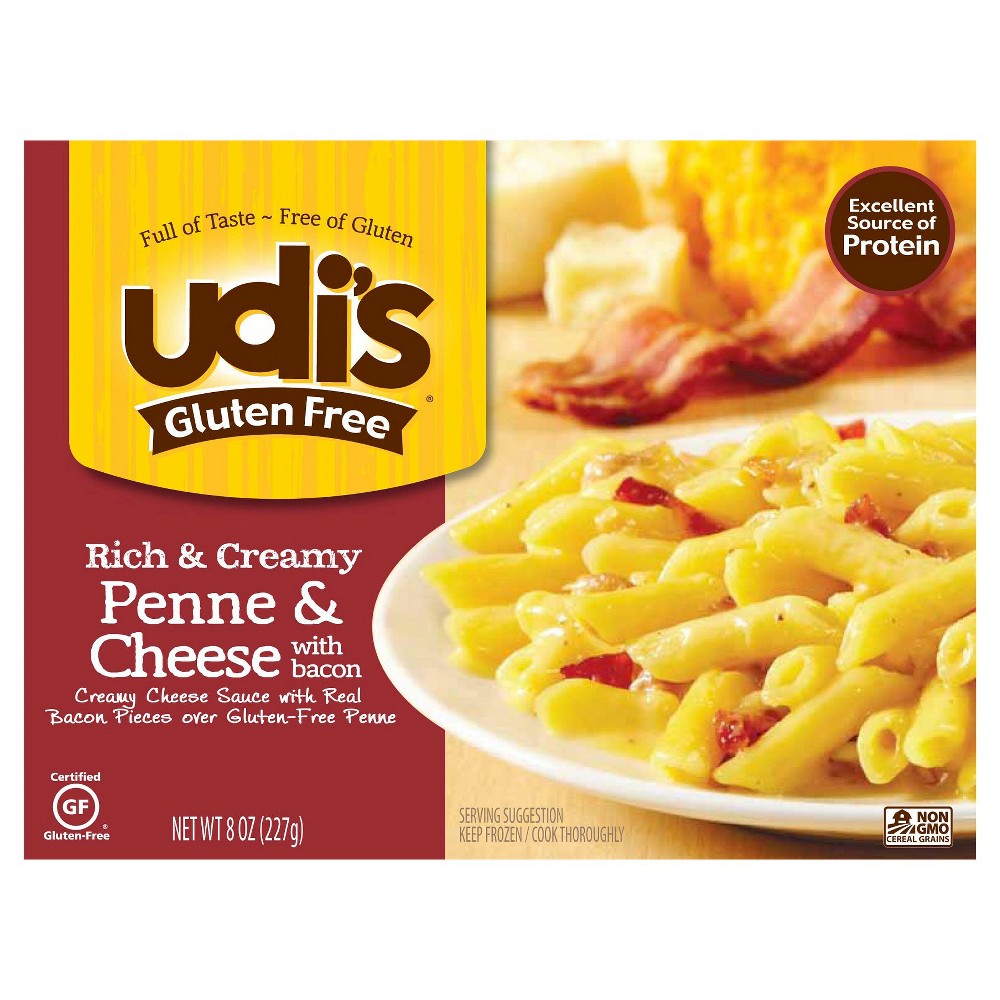


MAC & CHEESE
Analysis updated September 2026 · How Scout scores
At a glance
Summary
This mac and cheese product contains several high-quality ingredients such as whole milk, cheddar, Monterey Jack, and Parmesan cheeses, which provide beneficial nutrients like protein and calcium. However, it is classified as ultra-processed due to the inclusion of multiple processed ingredients like xanthan gum and starches, which limits its score. The presence of additives and the overall processing level prevent it from achieving a higher rating despite the use of some wholesome ingredients.
Key ingredients 13
Whole milkGood
Whole milk is a source of high-quality protein and essential vitamins like vitamin D3. It is minimally processed and provides calcium for bone health. The fat content supports absorption of fat-soluble vitamins.
Risks
May pose a risk for individuals with lactose intolerance or milk allergies.
Benefits
Rich in calcium and vitamin D, supporting bone health and immune function.
Heavy creamGood
Beneficial ingredient — whole-food or functional value in this product class.
Risks
High in saturated fat, which may contribute to heart disease if consumed in large amounts.
Benefits
Enhances flavor and texture, providing a rich source of calories and energy.
Cheddar cheeseGood
Cheddar cheese is a good source of protein and calcium. It is made from milk and contains beneficial bacteria from cheese cultures. The aging process enhances flavor and nutrient density.
Risks
High sodium content may be a concern for those with hypertension.
Benefits
Rich in calcium and protein, supporting bone health and muscle maintenance.
Monterey Jack cheeseGood
Monterey Jack cheese provides protein and calcium, essential for bone health. It is made from milk and cheese cultures, offering a mild flavor. The cheese is a good source of essential nutrients.
Risks
Contains lactose, which may be problematic for lactose-intolerant individuals.
Benefits
Provides essential nutrients like calcium and protein, supporting overall health.
Parmesan cheeseGood
Parmesan cheese is a hard cheese rich in protein and calcium. It is aged, which enhances its flavor and digestibility. The cheese is a concentrated source of nutrients.
Risks
High in sodium, which can be a concern for those monitoring salt intake.
Benefits
Offers a rich source of calcium and protein, beneficial for bone and muscle health.
Sea saltGood
Sea salt is a natural source of sodium and trace minerals. It is less processed than table salt and retains some beneficial minerals. It enhances flavor and is essential for bodily functions.
Risks
Excessive consumption can lead to high blood pressure and related health issues.
Benefits
Provides essential minerals and enhances flavor in foods.
SpicesGood
Whole-food seasonings, antioxidant-bearing.
Benefits
Enhances flavor and may provide antioxidant benefits.
Gluten free elbow noodlesNeutral
These noodles are made from brown rice flour, potato starch, and tapioca starch, providing a gluten-free alternative. They are processed to mimic the texture of traditional pasta. The inclusion of egg white adds some protein content.
Risks
Potential risk for those with egg allergies due to the presence of egg white.
Benefits
Provides a gluten-free option for individuals with celiac disease or gluten sensitivity.
ButterNeutral
Butter is a dairy product that adds flavor and richness. It contains saturated fats and some vitamins like A and D. It is minimally processed but should be consumed in moderation.
Risks
High in saturated fat, which can increase cholesterol levels if consumed excessively.
Benefits
Provides flavor and is a source of fat-soluble vitamins.
Corn starchNeutral
Corn starch is used as a thickening agent in foods. It is a refined carbohydrate with no significant nutritional value. It is highly processed but generally safe for consumption.
Benefits
Provides texture and thickness to foods without altering flavor.
Potato flourNeutral
Potato flour is used to improve texture and moisture retention in gluten-free products. It is made from whole potatoes and retains some nutrients. It is less processed than other starches.
Benefits
Adds texture and moisture, contributing to the overall quality of gluten-free products.
AnnattoNeutral
Annatto is a natural colorant derived from the seeds of the achiote tree. It is used to impart a yellow-orange color to foods. It is minimally processed and generally considered safe.
Risks
May cause allergic reactions in sensitive individuals.
Benefits
Provides natural coloring without synthetic additives.
Xanthan gumNeutral
Xanthan gum is a polysaccharide used as a thickening and stabilizing agent. It is produced by fermentation and is common in gluten-free products. It is generally recognized as safe when consumed in small amounts.
Risks
May cause digestive issues in sensitive individuals when consumed in large quantities.
Benefits
Improves texture and stability in gluten-free and low-fat products.
Processing
Ultra-Processed Foods
Get the full breakdown in the Scout appTake Scout shopping
Scan any product to see lab results, healthy alternatives, and your personalized analysis.
Download on theApp Store GET IT ONGoogle Play