



At a glance
Summary
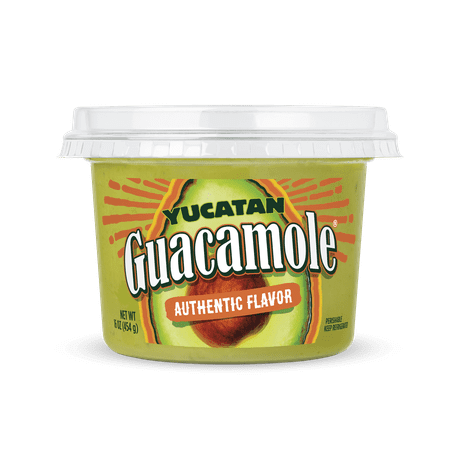
This guacamole contains beneficial ingredients like Hass avocado, which is rich in healthy fats and nutrients, and other vegetables that provide antioxidants and vitamins. However, the presence of added sugar and the use of additives such as xanthan gum and citric acid contribute to its ultra-processed nature, limiting its health score. Despite the nutritious base, the processing level and added sugar prevent it from achieving a higher rating.
Key ingredients 11
Hass avocadoVery Good
Hass avocado is a nutrient-dense fruit rich in healthy monounsaturated fats. It provides essential vitamins and minerals such as potassium and vitamin E. The creamy texture and healthy fat content make it a staple in heart-healthy diets.
Benefits
Rich in monounsaturated fats that support heart health and provide anti-inflammatory properties. Contains fiber, which aids in digestion and promotes satiety.
OnionGood
Onions are low in calories and rich in antioxidants and sulfur-containing compounds. They may support heart health and have anti-inflammatory effects. Their natural compounds can enhance flavor without adding calories.
Benefits
Contains antioxidants that may reduce inflammation and support immune function.
Red bell pepperGood
Red bell peppers are rich in vitamins A and C, providing antioxidant benefits. They are low in calories and add a sweet flavor to dishes. Their high vitamin C content supports immune health.
Benefits
High in vitamin C, which supports immune function and skin health.
GarlicGood
Garlic is known for its potential cardiovascular benefits and immune-boosting properties. It contains allicin, which may help reduce blood pressure and cholesterol levels. Its strong flavor enhances dishes naturally.
Risks
May cause digestive discomfort in some individuals when consumed in large amounts.
Benefits
Contains compounds that may support heart health and have antimicrobial properties.
Ascorbic acidGood
Vitamin C — beneficial even when serving as a preservative.
Benefits
Helps maintain the color and freshness of the product.
Jalapeno pepperGood
Jalapeno peppers add a spicy flavor and contain capsaicin, which may have metabolism-boosting properties. They are low in calories and provide vitamin C and antioxidants. Their spicy nature can enhance flavor without adding calories.
Risks
May cause digestive discomfort in sensitive individuals.
Benefits
Contains capsaicin, which may support metabolism and provide antioxidant benefits.
CilantroGood
Cilantro is an herb rich in antioxidants and may have anti-inflammatory properties. It adds a fresh flavor to dishes and is low in calories. Its natural compounds may support detoxification processes in the body.
Benefits
Rich in antioxidants and may support detoxification and digestion.
SaltNeutral
Salt is used to enhance flavor but provides no nutritional benefits. Excessive consumption can lead to high blood pressure and cardiovascular issues. It is important to consume in moderation to avoid potential health risks.
Risks
High sodium intake can contribute to hypertension and cardiovascular diseases.
Xanthan gumNeutral
Xanthan gum is a common food additive used as a thickening agent. It is generally considered safe but offers no nutritional benefits. It can improve texture and stability in processed foods.
Risks
May cause digestive issues in sensitive individuals when consumed in large amounts.
Benefits
Improves texture and consistency of the product.
Citric acidNeutral
Citric acid is used as a preservative and flavor enhancer. It is naturally found in citrus fruits and is generally recognized as safe. Its primary role in this product is to maintain freshness and prevent spoilage.
Benefits
Helps preserve the product and enhances flavor.
SugarBad
Refined sugar is added for sweetness but offers no nutritional value. It can contribute to weight gain and metabolic disorders when consumed in excess. It is best to limit intake to reduce health risks.
Risks
Excessive sugar consumption is linked to obesity, type 2 diabetes, and dental cavities.
Processing
Ultra-Processed Foods
Get the full breakdown in the Scout appTake Scout shopping
Scan any product to see lab results, healthy alternatives, and your personalized analysis.
Download on theApp Store GET IT ONGoogle Play