

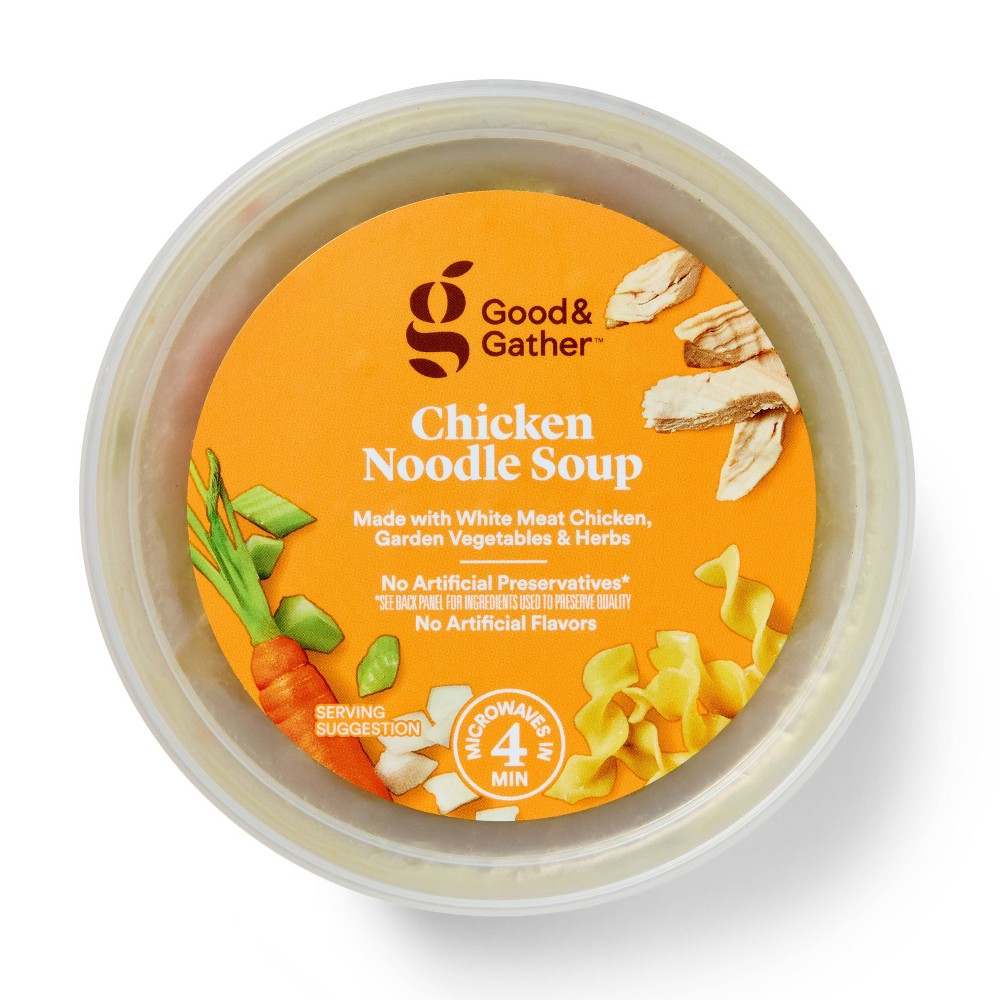


At a glance
Summary
This chicken noodle soup contains several beneficial ingredients such as chicken stock, vegetables, and herbs, which contribute to its nutritional value. However, the presence of canola oil, a seed oil high in omega-6 fatty acids, detracts from its healthiness due to potential inflammatory effects. The product is moderately processed, which limits its score despite the overall quality of the ingredients.
Key ingredients 16
Chicken stockGood
Chicken stock is a flavorful base rich in nutrients extracted from bones and vegetables. It provides essential minerals and amino acids that support joint health and digestion. The inclusion of herbs like parsley and thyme enhances its nutritional profile.
Benefits
Rich in collagen and minerals that support bone and joint health. Provides a savory base that enhances the flavor and nutritional content of soups.
ChickenGood
Chicken is a high-quality source of protein that supports muscle growth and repair. It contains essential amino acids and is a versatile ingredient in many dishes. When sourced from pasture-raised chickens, it offers additional nutritional benefits.
Risks
Potential risk of contamination if not cooked properly. Ensure chicken is sourced from reputable suppliers to minimize health risks.
Benefits
Provides essential amino acids and is a lean source of protein. Supports muscle growth and repair.
CarrotsGood
Carrots are a rich source of beta-carotene, which the body converts into vitamin A. They support eye health and provide antioxidants that protect against free radical damage. Their natural sweetness enhances the flavor profile of soups.
Benefits
Rich in beta-carotene and antioxidants that support eye health and immune function.
ParsnipsGood
Parsnips are a root vegetable high in fiber and essential vitamins like vitamin C and folate. They support digestive health and provide a sweet, nutty flavor to dishes. Their fiber content aids in maintaining healthy blood sugar levels.
Benefits
High in fiber and vitamins, supporting digestive health and providing essential nutrients.
OnionsGood
Onions are a flavorful vegetable rich in antioxidants and sulfur compounds. They support heart health and have anti-inflammatory properties. Their natural compounds may help reduce the risk of chronic diseases.
Benefits
Rich in antioxidants and sulfur compounds that support heart health and have anti-inflammatory properties.
ParsleyGood
Parsley is a herb rich in vitamins A, C, and K, and provides antioxidants. It supports immune function and bone health. Its fresh flavor enhances the taste of dishes.
Benefits
Rich in vitamins and antioxidants that support immune function and bone health.
GingerGood
Ginger is a spice known for its anti-inflammatory and digestive benefits. It contains bioactive compounds that may reduce nausea and improve digestion. Its unique flavor enhances the taste of dishes.
Benefits
Contains bioactive compounds that may reduce nausea and improve digestion.
GarlicGood
Garlic is a flavorful ingredient with potential health benefits, including supporting heart health and immune function. It contains sulfur compounds that have been linked to reduced blood pressure. Its antimicrobial properties may also support overall health.
Benefits
Supports heart health and immune function with its sulfur compounds and antimicrobial properties.
ThymeGood
Thyme is a herb rich in vitamins and antioxidants, supporting immune function and respiratory health. It adds a distinct flavor to dishes and has been used traditionally for its medicinal properties. Its essential oils may have antimicrobial effects.
Benefits
Rich in vitamins and antioxidants, supporting immune function and respiratory health.
Black pepperGood
Beneficial ingredient — whole-food or functional value in this product class.
Benefits
Contains piperine, which may enhance nutrient absorption.
Olive oilGood
Olive oil is a healthy fat rich in monounsaturated fats and antioxidants. It supports heart health and has anti-inflammatory properties. Cold-pressed extraction preserves its beneficial compounds.
Benefits
Rich in monounsaturated fats and antioxidants that support heart health and provide anti-inflammatory properties.
CeleryNeutral
Celery is a low-calorie vegetable that provides dietary fiber and essential vitamins. It adds a crisp texture and mild flavor to dishes. While not particularly nutrient-dense, it contributes to overall dietary fiber intake.
Benefits
Provides dietary fiber and essential vitamins, contributing to overall fiber intake.
Orzo pastaNeutral
Orzo pasta is a type of pasta made from wheat flour, providing carbohydrates for energy. It is a staple ingredient in many dishes but lacks significant nutritional benefits. Its refined nature means it is lower in fiber compared to whole grain alternatives.
Risks
May contribute to increased blood sugar levels if consumed in excess due to its refined carbohydrate content.
Benefits
Provides carbohydrates for energy but lacks significant nutritional benefits compared to whole grains.
SaltNeutral
Salt is a common seasoning that enhances flavor but provides no nutritional benefits. It is essential for maintaining fluid balance and nerve function. Excessive consumption can lead to health issues such as hypertension.
Risks
Excessive consumption can lead to hypertension and other cardiovascular issues.
Benefits
Essential for maintaining fluid balance and nerve function.
CornstarchNeutral
Cornstarch is a refined carbohydrate used as a thickening agent in cooking. It provides no significant nutritional benefits but is effective in improving texture. Its refined nature means it lacks fiber and other nutrients.
Risks
May contribute to increased blood sugar levels if consumed in excess due to its refined carbohydrate content.
Canola oilVery Bad
Canola oil is a seed oil high in omega-6 fatty acids, which may promote inflammation when consumed in excess. It is often highly processed, which can reduce its nutritional quality. Its high smoke point makes it a common cooking oil, but healthier alternatives exist.
Risks
High omega-6 content may promote inflammation when consumed in excess. Often highly processed, which can reduce nutritional quality.
Processing
Processed Foods
Get the full breakdown in the Scout appTake Scout shopping
Scan any product to see lab results, healthy alternatives, and your personalized analysis.
Download on theApp Store GET IT ONGoogle Play