

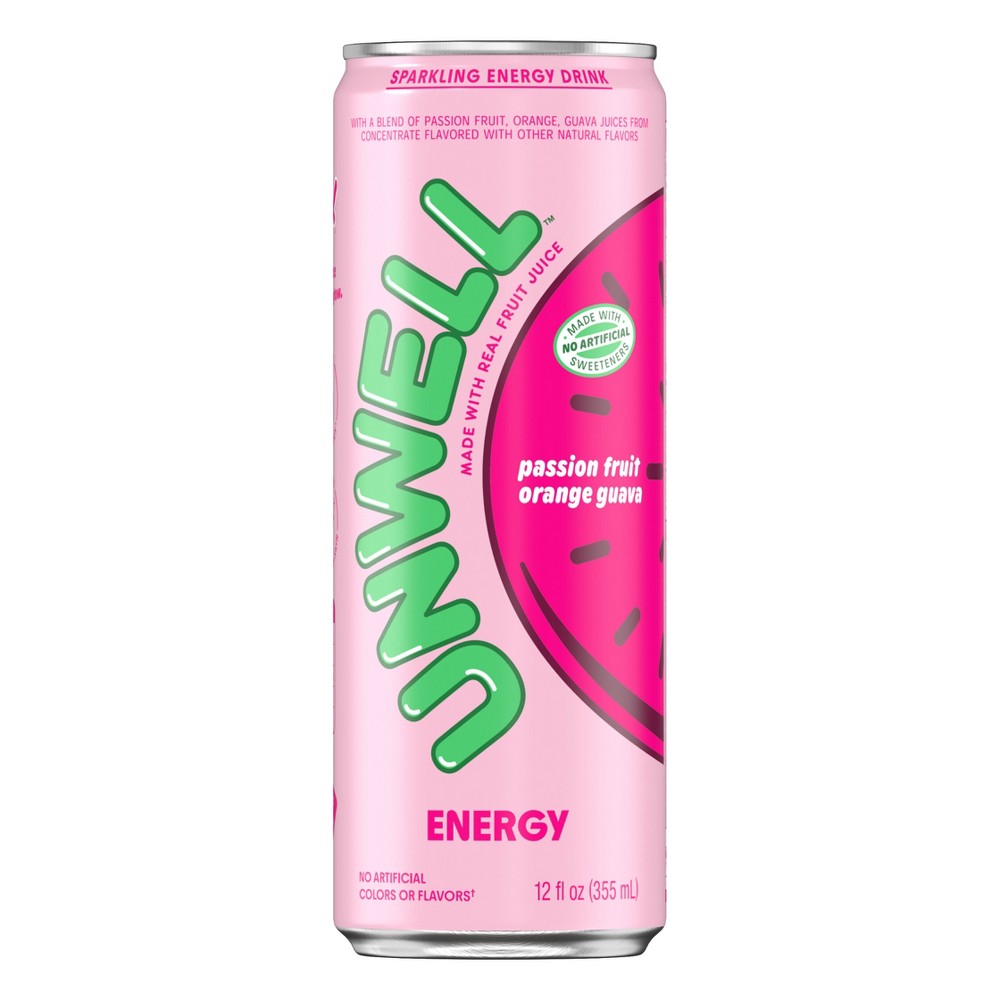


tru Energy Orange Mango Beverage
Analysis updated August 2026 · How Scout scores
At a glance
Summary
This energy drink features a clean formulation with natural sweeteners like erythritol, stevia, and monk fruit extract, avoiding artificial sweeteners and excessive sugar. It includes beneficial ingredients such as vitamins and green tea extract, which contribute to its functional profile. However, the presence of 'natural flavors' and its ultra-processed nature slightly detract from its overall healthiness.
Key ingredients 17
Mango Juice ConcentrateGood
Mango juice concentrate provides natural fruit sugars and some vitamins. It is a source of natural sweetness and flavor in the beverage. The processing into concentrate may reduce some nutrient content compared to fresh juice.
Risks
Concentrated forms may have reduced fiber and some nutrient loss compared to whole fruit.
Benefits
Contains natural sugars and some vitamins, contributing to the flavor and nutritional profile of the beverage.
Monk Fruit ExtractGood
Monk fruit extract is a natural sweetener with zero calories. It is derived from the monk fruit and is considered safe for consumption. It provides sweetness without affecting blood sugar levels.
Benefits
Offers a natural, calorie-free sweetness, suitable for those managing blood sugar levels.
D-Alpha-Tocopherol AcetateGood
D-Alpha-Tocopherol Acetate is a form of Vitamin E, an antioxidant that helps protect cells from damage. It is often added to foods for its health benefits. It supports immune function and skin health.
Benefits
Acts as an antioxidant, supporting immune function and protecting cells from oxidative stress.
Calcium D-PantothenateGood
Calcium D-Pantothenate is a form of Vitamin B5, essential for synthesizing coenzyme A and metabolizing carbohydrates, proteins, and fats. It is commonly added to foods to support energy metabolism. It plays a role in maintaining healthy skin and hair.
Benefits
Supports energy metabolism and contributes to healthy skin and hair.
Pyridoxine HClGood
Pyridoxine HCl is a form of Vitamin B6, important for protein metabolism and cognitive development. It is often added to foods to support brain health and energy production. It aids in the production of neurotransmitters and hemoglobin.
Benefits
Supports brain health, energy production, and the synthesis of neurotransmitters.
NiacinamideGood
Niacinamide is a form of Vitamin B3, essential for energy production and DNA repair. It is commonly added to foods to support skin health and reduce inflammation. It plays a role in converting food into energy.
Benefits
Supports energy production and contributes to healthy skin.
Thiamine MononitrateGood
Thiamine Mononitrate is a form of Vitamin B1, crucial for energy metabolism and nerve function. It is often added to foods to prevent deficiencies and support overall health. It helps convert carbohydrates into energy.
Benefits
Supports energy metabolism and nerve function.
D-BiotinGood
D-Biotin is a form of Vitamin B7, essential for fatty acid synthesis and energy production. It is often added to foods to support hair, skin, and nail health. It plays a role in metabolizing carbohydrates, fats, and proteins.
Benefits
Supports hair, skin, and nail health, and aids in energy production.
MethylcobalaminGood
Methylcobalamin is a form of Vitamin B12, crucial for nerve function and red blood cell production. It is often added to foods to prevent deficiencies and support energy metabolism. It aids in the synthesis of DNA and the maintenance of nerve cells.
Benefits
Supports nerve function, red blood cell production, and energy metabolism.
Green Tea ExtractGood
Green tea extract is rich in antioxidants, particularly catechins, which support overall health. It is often used in beverages for its potential health benefits and mild caffeine content. It may aid in weight management and improve brain function.
Benefits
Rich in antioxidants, supports overall health, and may aid in weight management.
Carbonated WaterNeutral
Carbonated water is simply water infused with carbon dioxide gas under pressure. It is a common base for many beverages and does not provide any significant nutritional benefits or risks. It is generally considered safe for consumption.
See more about Carbonated Water →ErythritolNeutral
Erythritol is a sugar alcohol used as a low-calorie sweetener. It is well-tolerated by most people and does not raise blood sugar levels. However, excessive consumption may cause digestive discomfort.
Risks
Excessive consumption may lead to digestive issues such as bloating or diarrhea.
Benefits
Provides sweetness without the calories or blood sugar impact of regular sugar.
Citric AcidNeutral
Citric acid is a natural acid found in citrus fruits, used as a preservative and flavor enhancer. It is generally recognized as safe and commonly used in food and beverages. It can enhance the tartness and stability of the product.
Benefits
Enhances flavor and acts as a preservative, extending shelf life.
Stevia ExtractNeutral
Stevia extract is a natural, zero-calorie sweetener derived from the stevia plant. It is considered safe and does not affect blood sugar levels. It is a popular alternative to artificial sweeteners.
Benefits
Provides sweetness without calories or blood sugar impact.
Folic AcidNeutral
Standard formulation ingredient — neither beneficial nor harmful at typical use.
Benefits
Supports DNA synthesis, cell division, and red blood cell formation.
CaffeineNeutral
Caffeine is a natural stimulant that can enhance alertness and concentration. It is commonly used in energy drinks to provide a quick energy boost. However, excessive consumption can lead to negative side effects such as jitteriness or insomnia.
Risks
Excessive consumption may cause jitteriness, insomnia, or increased heart rate.
Benefits
Enhances alertness and concentration, providing a temporary energy boost.
Natural FlavorBad
Natural flavors are often used to enhance taste but can be a catch-all term for a variety of compounds. The lack of transparency can be concerning for consumers seeking to avoid certain additives. They are highly processed and may contain allergens.
Risks
Potential allergens and lack of transparency in ingredient sourcing.
Benefits
Enhances the flavor profile of the beverage.
Processing
Ultra-Processed Foods
Get the full breakdown in the Scout appTake Scout shopping
Scan any product to see lab results, healthy alternatives, and your personalized analysis.
Download on theApp Store GET IT ONGoogle PlayAmazon pricing & content
Amazon price as of . Product prices and availability are accurate as of the date/time indicated and are subject to change. Any price and availability information displayed on Amazon.com at the time of purchase will apply to the purchase of this product.
CERTAIN CONTENT THAT APPEARS ON THIS SITE COMES FROM AMAZON. THIS CONTENT IS PROVIDED “AS IS” AND IS SUBJECT TO CHANGE OR REMOVAL AT ANY TIME.