
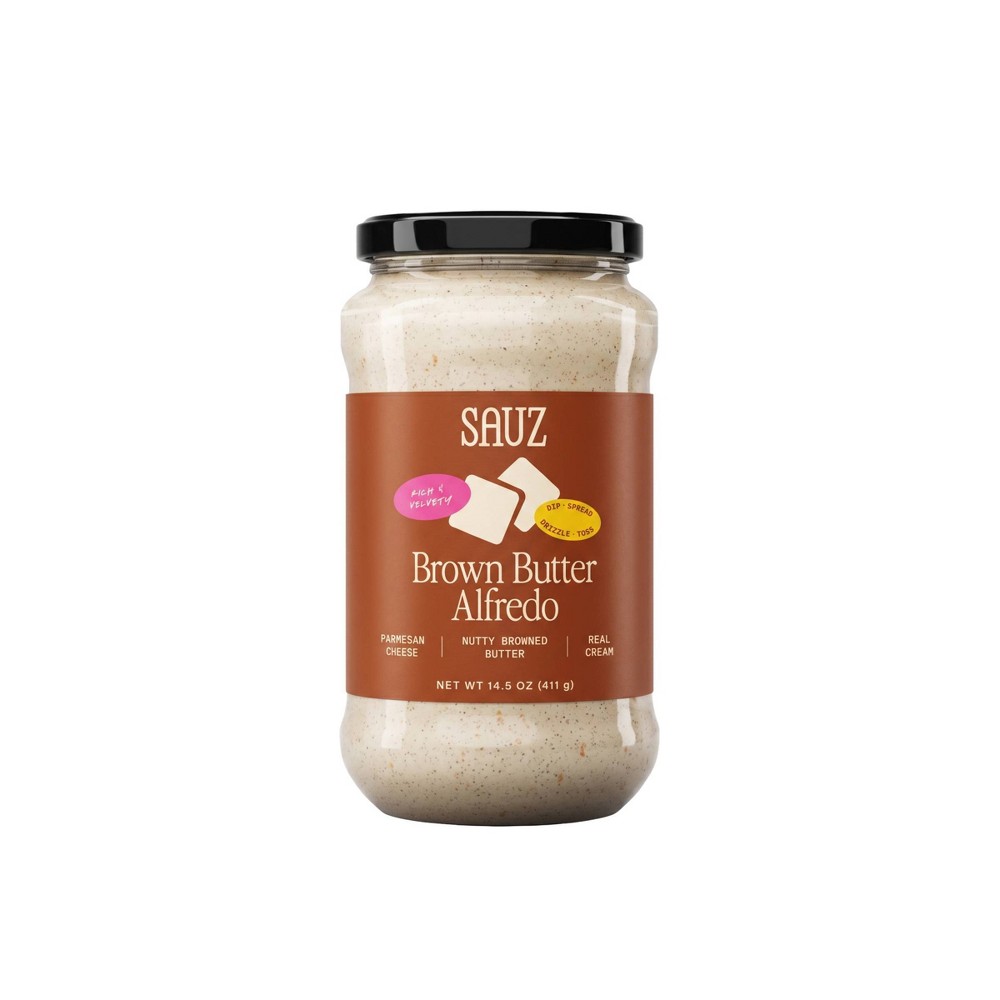


Sauz Brown Butter Alfredo Rich and Buttery Cream Sauce - 14.5oz
Analysis updated August 2026 · How Scout scores
At a glance
Summary
This sauce contains high-quality ingredients like olive oil, Parmesan, and Romano cheese, which are beneficial for health. However, it is classified as ultra-processed due to the presence of additives like disodium phosphate, which can contribute to high phosphate levels. The processing level and the inclusion of this additive limit the overall health score despite the presence of some beneficial ingredients.
Key ingredients 14
Olive OilVery Good
Olive oil is a high-quality monounsaturated fat with anti-inflammatory properties. It contains antioxidants that support heart health. Cold-pressed extraction preserves beneficial compounds.
Benefits
Rich in monounsaturated fats that support heart health and provide anti-inflammatory properties. Contains antioxidants like vitamin E and polyphenols that may reduce oxidative stress.
Parmesan CheeseGood
Parmesan cheese is a hard cheese rich in protein and calcium. It is aged, which enhances its flavor and digestibility. The cheese is made from pasteurized milk and contains beneficial enzymes.
Risks
High sodium content may be a concern for individuals with hypertension.
Benefits
Provides a good source of protein and calcium, supporting bone health and muscle function.
Romano CheeseGood
Romano cheese is a flavorful cheese high in protein and calcium. It is made from pasteurized milk and contains beneficial enzymes. The aging process enhances its flavor and digestibility.
Risks
High sodium content may pose a risk for those with high blood pressure.
Benefits
Rich in protein and calcium, contributing to bone health and muscle maintenance.
GarlicGood
Garlic is known for its potential health benefits, including cardiovascular support. It contains allicin, which has antimicrobial and antioxidant properties. Fresh garlic is more beneficial than processed forms.
Benefits
May support heart health and has antimicrobial properties due to the presence of allicin.
Sea SaltGood
Sea salt is a natural source of sodium and trace minerals. It is less processed than table salt and retains more natural minerals. It enhances flavor and provides essential electrolytes.
Risks
Excessive consumption may lead to high blood pressure.
Benefits
Provides essential minerals and enhances flavor in foods.
SageGood
Sage is an herb with antioxidant and anti-inflammatory properties. It is used for flavoring and has potential health benefits. Fresh sage is more beneficial than dried forms.
Benefits
May provide antioxidant benefits and enhance flavor in dishes.
SpicesGood
Whole-food seasonings, antioxidant-bearing.
Benefits
Enhances flavor and may provide health benefits depending on the specific spices used.
Whole MilkNeutral
Whole milk is a source of calcium and vitamin D, important for bone health. It is a natural ingredient but can be high in saturated fats. The quality of milk can vary based on the source and treatment of the cows.
Risks
May contribute to high cholesterol levels if consumed in excess due to saturated fat content.
Benefits
Provides essential nutrients like calcium and vitamin D, which are beneficial for bone health.
ButterNeutral
Butter is a dairy product high in saturated fats, which can impact heart health if consumed excessively. It is a natural source of fat-soluble vitamins like A and E. The quality of butter can vary based on the cream source and processing.
Risks
High in saturated fats, which may increase the risk of heart disease if consumed in large amounts.
Benefits
Contains fat-soluble vitamins such as A and E, which are important for various bodily functions.
Citrus FiberNeutral
Citrus fiber is a natural source of dietary fiber, aiding in digestion. It is derived from citrus fruits and is minimally processed. The fiber content can help improve gut health.
Benefits
Provides dietary fiber that supports digestive health and regularity.
Corn StarchNeutral
Corn starch is a common thickening agent used in cooking. It is highly processed and provides no significant nutritional benefits. It is generally considered safe for consumption.
See more about Corn Starch →Lemon Juice ConcentrateNeutral
Lemon juice concentrate is used for flavoring and acidity. It is a processed form of lemon juice, which may lose some nutrients during processing. It adds a tangy flavor to foods.
Benefits
Adds flavor and acidity to dishes, enhancing taste.
Lactic AcidNeutral
Lactic acid is used as a preservative and acidity regulator. It is naturally found in fermented foods and is generally recognized as safe. It helps maintain the product's pH balance.
Benefits
Helps preserve food and maintain acidity, contributing to product stability.
Disodium PhosphateBad
Disodium phosphate is an additive used as an emulsifier and stabilizer. It is a processed ingredient that can contribute to high phosphate levels in the diet. Excessive intake may affect kidney function.
Risks
High phosphate levels can lead to imbalances in calcium and phosphorus, potentially affecting bone health.
Processing
Ultra-Processed Foods
Get the full breakdown in the Scout appTake Scout shopping
Scan any product to see lab results, healthy alternatives, and your personalized analysis.
Download on theApp Store GET IT ONGoogle PlayAmazon pricing & content
CERTAIN CONTENT THAT APPEARS ON THIS SITE COMES FROM AMAZON. THIS CONTENT IS PROVIDED “AS IS” AND IS SUBJECT TO CHANGE OR REMOVAL AT ANY TIME.