


At a glance
Summary
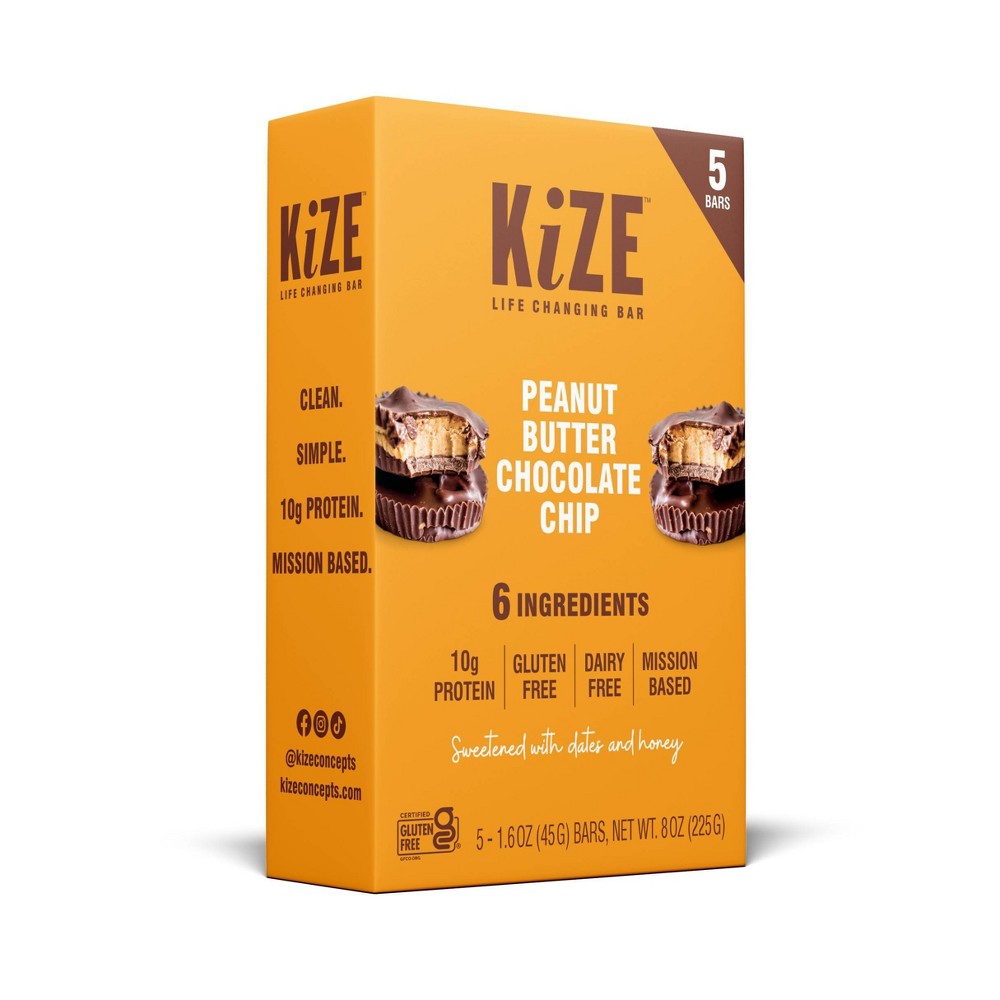
This product contains several beneficial ingredients such as collagen, peanuts, and almonds, which provide healthy fats and proteins. However, it is classified as ultra-processed due to the inclusion of processed ingredients like sunflower lecithin and natural flavors. The presence of these additives, along with the high level of processing, limits its overall health score despite the presence of some nutritious components.
Key ingredients 18
AlmondsVery Good
Almonds are nutrient-dense nuts rich in healthy fats, protein, and vitamin E. They are minimally processed and support heart health and weight management. Their consumption can improve cholesterol levels and provide antioxidant benefits.
Risks
Potential allergen for some individuals, which can cause severe allergic reactions.
Benefits
Rich in healthy fats and antioxidants, supporting heart health and weight management.
CollagenGood
Collagen is a protein that supports skin, joint, and bone health. It is derived from animal sources and provides essential amino acids. Its consumption can aid in improving skin elasticity and joint function.
Benefits
Supports skin elasticity, joint health, and bone strength due to its amino acid profile.
PeanutsGood
Peanuts are a good source of healthy fats, protein, and various vitamins and minerals. They are minimally processed and provide a rich source of energy. Their consumption can support heart health due to their monounsaturated fat content.
Risks
Potential allergen for some individuals, which can cause severe allergic reactions.
Benefits
Rich in healthy fats and protein, supporting heart health and providing sustained energy.
Defatted Peanut FlourGood
Defatted peanut flour is a protein-rich ingredient with reduced fat content. It retains the nutritional benefits of peanuts while lowering calorie content. It is a good source of protein and fiber.
Risks
Potential allergen for some individuals, which can cause severe allergic reactions.
Benefits
Provides protein and fiber with reduced fat content, supporting muscle maintenance and digestion.
Cocoa BeansGood
Cocoa beans are rich in antioxidants and flavonoids, which support heart health. They are minimally processed and provide a natural source of magnesium and iron. Their consumption can improve mood and cognitive function.
Benefits
Rich in antioxidants and flavonoids, supporting heart health and cognitive function.
Cocoa ButterGood
Cocoa butter is a natural fat extracted from cocoa beans, rich in healthy saturated fats. It is minimally processed and provides a smooth texture to foods. It contains antioxidants that support skin health.
Benefits
Rich in healthy fats and antioxidants, supporting skin health and providing a smooth texture.
Coconut OilGood
Coconut oil is a source of medium-chain triglycerides (MCTs) that provide quick energy. It is minimally processed and supports metabolic health. Its consumption can aid in weight management and improve cholesterol levels.
Risks
High in saturated fats, which should be consumed in moderation.
Benefits
Provides MCTs for quick energy and supports metabolic health.
Sea SaltGood
Sea salt is a natural source of sodium and trace minerals. It is minimally processed and enhances flavor in foods. Its consumption should be moderated to avoid excessive sodium intake.
Risks
Excessive sodium intake can lead to high blood pressure and other health issues.
Benefits
Provides essential sodium and trace minerals, enhancing flavor.
Cocoa PowderGood
Cocoa powder is rich in antioxidants and flavonoids, supporting heart health and cognitive function. It is minimally processed and provides a natural source of magnesium and iron. Its consumption can improve mood and reduce inflammation.
Benefits
Rich in antioxidants and flavonoids, supporting heart health and cognitive function.
Monk FruitGood
Monk fruit is a natural sweetener that provides sweetness without calories. It is minimally processed and does not raise blood sugar levels. It is a suitable alternative for those managing sugar intake.
Benefits
Provides sweetness without calories, suitable for low-sugar diets.
Tapioca FiberNeutral
Tapioca fiber is a source of dietary fiber derived from the cassava root. It is used to improve texture and add fiber content to foods. While it aids in digestion, it does not provide significant nutritional benefits beyond fiber.
Benefits
Provides dietary fiber which can aid in digestion and promote gut health.
AlluloseNeutral
Standard formulation ingredient — neither beneficial nor harmful at typical use.
Risks
May cause digestive discomfort such as bloating or diarrhea in sensitive individuals.
Benefits
Provides sweetness with minimal caloric impact, making it suitable for low-calorie diets.
Pea ProteinNeutral
Pea protein is a plant-based protein source that provides essential amino acids. It is less processed than some other plant proteins but may not offer the same amino acid profile as animal-based proteins. It is a suitable option for vegetarians and vegans.
Risks
May not provide as complete an amino acid profile as animal-based proteins.
Benefits
Offers a plant-based protein source suitable for vegetarians and vegans.
Organic Vegetable GlycerinNeutral
Organic vegetable glycerin is a humectant that helps retain moisture in foods. It is derived from plant oils and is considered safe for consumption. It does not provide significant nutritional benefits.
Benefits
Helps retain moisture in food products, improving texture.
Coconut SugarNeutral
Coconut sugar is a natural sweetener derived from the sap of coconut palm. It has a lower glycemic index compared to regular sugar but still contributes to overall sugar intake. It provides trace amounts of minerals like zinc and iron.
Risks
Contributes to overall sugar intake, which should be moderated.
Benefits
Provides a natural sweetener option with trace minerals.
Acacia GumNeutral
Acacia gum is a natural emulsifier and stabilizer derived from the sap of acacia trees. It is used to improve texture and stability in foods. It is generally considered safe and may provide prebiotic benefits.
Benefits
May provide prebiotic benefits and improve food texture.
Sunflower LecithinBad
Sunflower lecithin is used as an emulsifier to improve texture and consistency in foods. It is a processed ingredient derived from sunflower seeds. While it is less harmful than seed oils, it is still a refined additive.
Risks
May contribute to processed food intake and is a refined additive.
Benefits
Helps improve texture and consistency in food products.
Natural FlavorsBad
Natural flavors are additives used to enhance taste, often derived from various sources. They are highly processed and can contain multiple chemical compounds. Their use can obscure the transparency of ingredient sourcing.
Risks
May contain undisclosed chemical compounds and contribute to processed food intake.
Benefits
Enhances flavor in food products.
Processing
Ultra-Processed Foods
Get the full breakdown in the Scout appTake Scout shopping
Scan any product to see lab results, healthy alternatives, and your personalized analysis.
Download on theApp Store GET IT ONGoogle PlayAmazon pricing & content
Amazon price as of . Product prices and availability are accurate as of the date/time indicated and are subject to change. Any price and availability information displayed on Amazon.com at the time of purchase will apply to the purchase of this product.
CERTAIN CONTENT THAT APPEARS ON THIS SITE COMES FROM AMAZON. THIS CONTENT IS PROVIDED “AS IS” AND IS SUBJECT TO CHANGE OR REMOVAL AT ANY TIME.