

At a glance
Summary
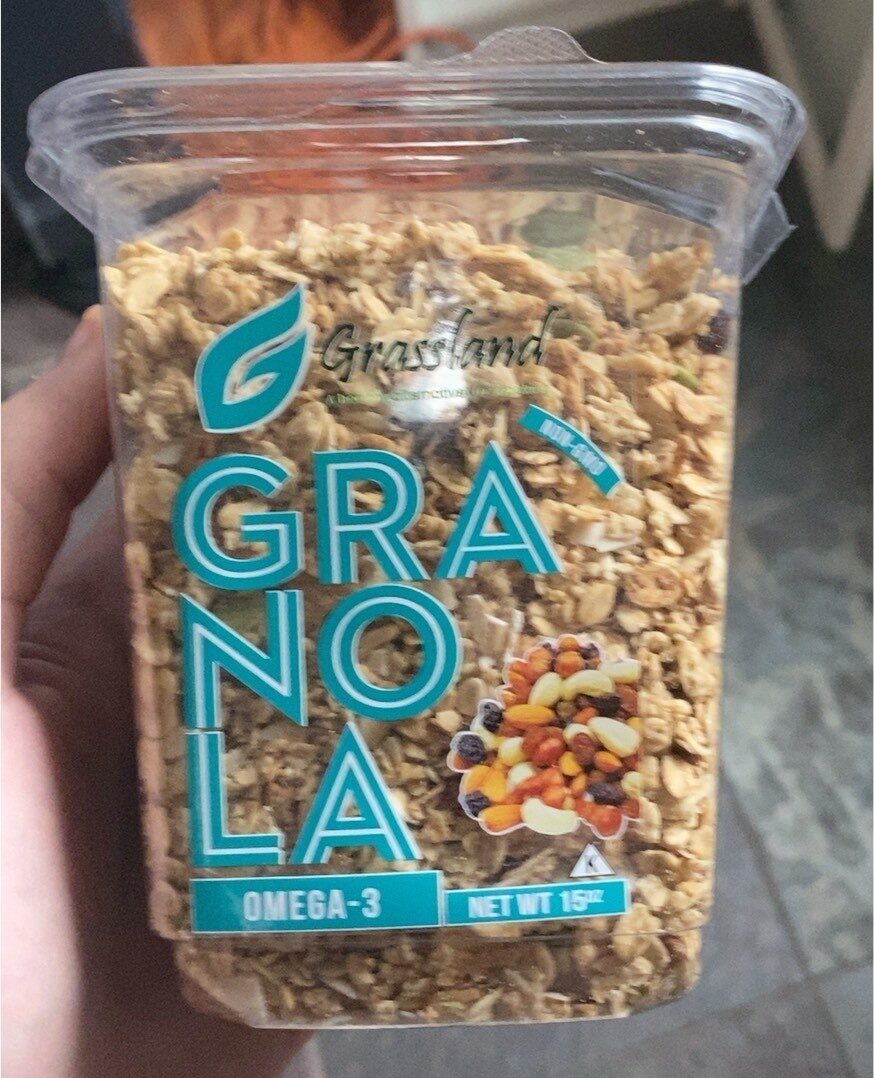
This granola contains a mix of beneficial ingredients like whole rolled oats, nuts, and seeds, which provide fiber, healthy fats, and protein. However, the presence of refined sugars, sunflower and canola oils, and unspecified natural flavors detracts from its healthfulness. The product is moderately processed, which limits its score despite the inclusion of some nutritious components.
Key ingredients 21
Whole rolled oatsVery Good
Whole rolled oats are a minimally processed whole grain rich in fiber and nutrients. They provide a good source of beta-glucan, which can help lower cholesterol levels. Oats are also known for their ability to stabilize blood sugar levels.
Benefits
Rich in dietary fiber, which supports digestive health and may aid in lowering cholesterol levels.
PecanVery Good
Pecans are a nutrient-dense nut rich in healthy fats, vitamins, and minerals. They contain monounsaturated fats that support heart health and provide antioxidants. Pecans are also a good source of fiber and protein.
Benefits
Rich in healthy fats and antioxidants that support heart health and reduce inflammation.
PistachioVery Good
Pistachios are a nutrient-rich nut that provides healthy fats, protein, and fiber. They are high in antioxidants and can support heart health. Pistachios also contain essential vitamins and minerals like vitamin B6 and potassium.
Benefits
Provides healthy fats, protein, and antioxidants that support heart health and overall wellness.
WalnutVery Good
Walnuts are a nutrient-dense nut rich in omega-3 fatty acids, antioxidants, and protein. They support heart health and have anti-inflammatory properties. Walnuts are also linked to improved brain health.
Benefits
Rich in omega-3 fatty acids and antioxidants that support heart and brain health.
AlmondsVery Good
Almonds are a nutrient-rich nut high in healthy fats, protein, and fiber. They provide vitamin E and magnesium, supporting heart health and bone strength. Almonds are also known for their antioxidant properties.
Benefits
Rich in healthy fats, protein, and antioxidants that support heart health and overall wellness.
Rolled wheatGood
Rolled wheat is a whole grain that provides essential nutrients and fiber. It is less processed than refined grains, retaining more of its natural vitamins and minerals. Consuming whole grains like rolled wheat can support heart health.
Risks
May contain gluten, which can be a concern for individuals with celiac disease or gluten sensitivity.
Benefits
Provides dietary fiber and essential nutrients that support overall health.
PepitaGood
Pepitas, or pumpkin seeds, are a good source of healthy fats, protein, and essential minerals. They contain magnesium, zinc, and antioxidants that support immune function and heart health. Pepitas are also known for their anti-inflammatory properties.
Benefits
Rich in essential minerals and healthy fats that support heart health and immune function.
CranberriesGood
Cranberries are a fruit rich in antioxidants and vitamins, particularly vitamin C. They are known for their potential to support urinary tract health. Cranberries also provide dietary fiber and can contribute to overall health.
Risks
May contain added sugars if sweetened, which can reduce their health benefits.
Benefits
Rich in antioxidants and vitamins that support immune health and may prevent urinary tract infections.
CoconutGood
Coconut is a natural source of healthy fats, particularly medium-chain triglycerides (MCTs). It provides dietary fiber and can support energy levels. Unsulphured coconut retains more of its natural nutrients and flavor.
Risks
High in saturated fats, which should be consumed in moderation.
Benefits
Provides healthy fats and fiber that support energy and digestive health.
Sunflower seedsGood
Sunflower seeds are a good source of healthy fats, protein, and essential vitamins and minerals. They contain vitamin E, magnesium, and selenium, which support immune function and heart health. Sunflower seeds also provide antioxidants.
Benefits
Provides essential nutrients and antioxidants that support heart health and immune function.
Barley flakesGood
Barley flakes are a whole grain that provides dietary fiber and essential nutrients. They are less processed than refined grains, retaining more of their natural vitamins and minerals. Barley is known for its ability to support heart health and stabilize blood sugar levels.
Risks
May contain gluten, which can be a concern for individuals with celiac disease or gluten sensitivity.
Benefits
Rich in dietary fiber and nutrients that support heart health and digestive wellness.
HoneyGood
Traditional whole-food sweetener with trace enzymes and antioxidants.
Risks
High in sugars and calories, which can contribute to weight gain if consumed in excess.
Benefits
Contains antioxidants and trace nutrients that may offer some health benefits.
CinnamonGood
Cinnamon is a spice known for its antioxidant properties and potential health benefits. It can help regulate blood sugar levels and has anti-inflammatory effects. Cinnamon adds flavor and aroma to foods without adding calories.
Benefits
Rich in antioxidants and may help regulate blood sugar levels.
Rice flourNeutral
Rice flour is a gluten-free flour alternative that provides carbohydrates and some nutrients. It is often used in gluten-free baking but lacks the fiber and nutrients found in whole grains. Rice flour is a neutral ingredient with limited health impact.
Benefits
Provides a gluten-free alternative for baking but offers limited nutritional benefits.
MolassesNeutral
Molasses is a byproduct of sugar refining that retains some vitamins and minerals. It provides a rich flavor and is less processed than refined sugars. Molasses can offer some nutritional benefits compared to other sweeteners.
Risks
High in sugars and calories, which can contribute to weight gain if consumed in excess.
Benefits
Contains some vitamins and minerals, offering more nutritional value than refined sugars.
SaltNeutral
Salt is a common seasoning that provides sodium, an essential mineral for bodily functions. It is necessary for maintaining fluid balance and nerve function. However, excessive salt intake can lead to health issues.
Risks
High sodium intake can contribute to hypertension and cardiovascular disease.
Benefits
Provides essential sodium for bodily functions but should be consumed in moderation.
Brown sugarBad
Brown sugar is a refined sugar that can contribute to increased blood sugar levels and caloric intake. It is less processed than white sugar but still lacks significant nutritional benefits. Excessive consumption of added sugars is linked to various health issues.
Risks
High intake of added sugars can lead to obesity, type 2 diabetes, and heart disease.
Benefits
Provides a sweet flavor but offers minimal nutritional benefits.
Natural flavorsBad
Natural flavors are often used to enhance taste but lack transparency in their composition. They can contain a variety of chemical compounds, which may not be disclosed. The lack of clarity can be concerning for those with allergies or sensitivities.
Risks
Potential allergens or sensitivities due to undisclosed ingredients.
Benefits
Provides flavor enhancement but offers no nutritional benefits.
SugarBad
Sugar is a refined carbohydrate that can lead to increased blood sugar levels and caloric intake. It provides no essential nutrients and is linked to various health issues when consumed in excess. High sugar intake is associated with obesity and metabolic disorders.
Risks
Excessive sugar consumption can lead to obesity, type 2 diabetes, and heart disease.
Benefits
Provides a sweet flavor but offers minimal nutritional benefits.
FlavoringsBad
Flavorings are often used to enhance taste but lack transparency in their composition. They can contain a variety of chemical compounds, which may not be disclosed. The lack of clarity can be concerning for those with allergies or sensitivities.
Risks
Potential allergens or sensitivities due to undisclosed ingredients.
Benefits
Provides flavor enhancement but offers no nutritional benefits.
Sunflower and canola oilVery Bad
Sunflower and canola oils are seed oils high in omega-6 fatty acids, which can promote inflammation. They are often highly processed and may contain trans fats. These oils are not recommended for regular consumption due to their potential health risks.
Risks
High omega-6 content may promote inflammation when consumed in excess.
Processing
Processed Foods
Get the full breakdown in the Scout appTake Scout shopping
Scan any product to see lab results, healthy alternatives, and your personalized analysis.
Download on theApp Store GET IT ONGoogle Play