Cappello's Cookies
At a glance
Summary
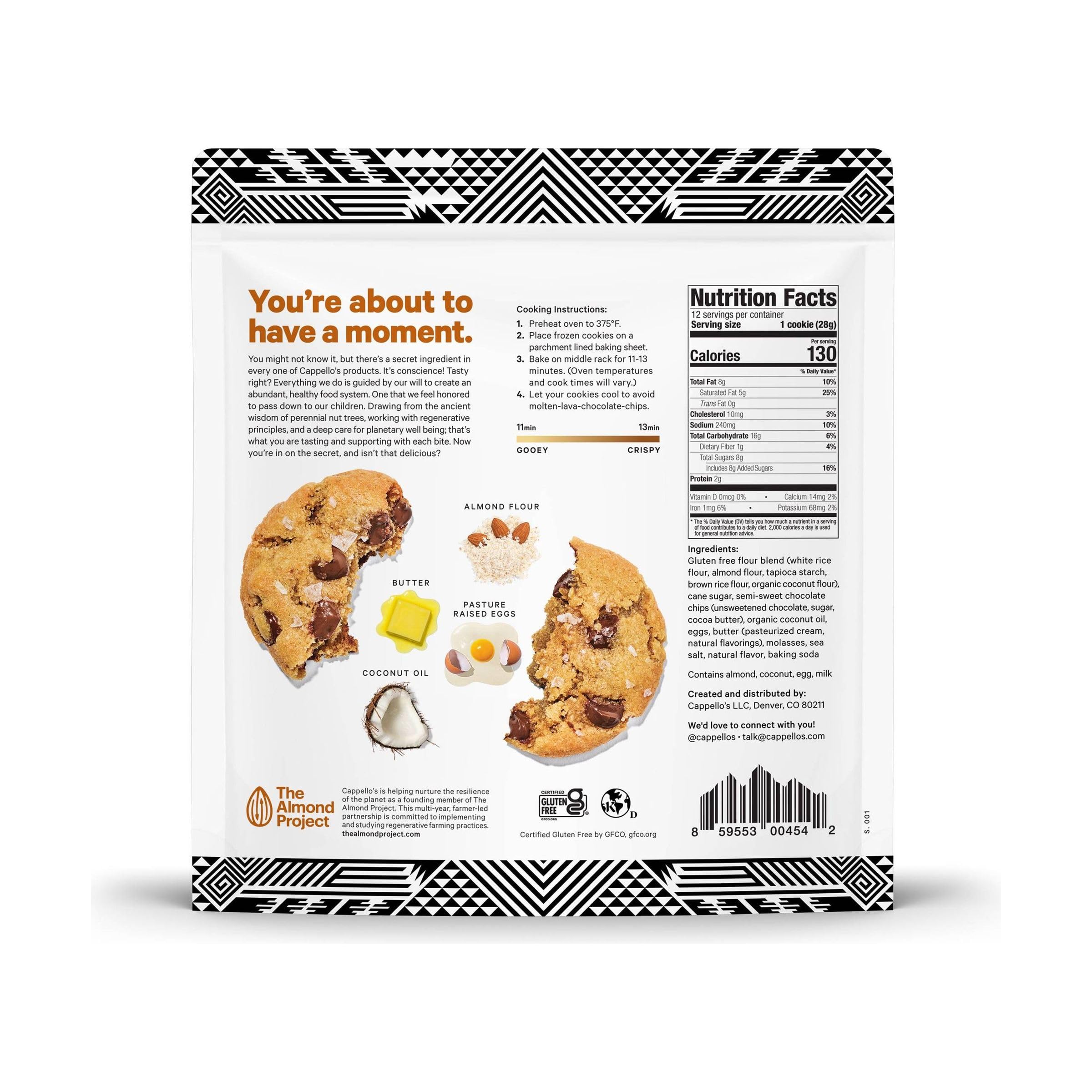
This cookie product contains a mix of beneficial and harmful ingredients. The use of almond flour, coconut flour, and brown rice flour provides a nutrient-dense base, while eggs and butter contribute high-quality fats and proteins. However, the presence of refined sugar and natural flavors, which are highly processed, detracts from its overall healthiness. The product is moderately processed, which limits its score despite the inclusion of some wholesome ingredients.
Key ingredients 16
Almond flourGood
Almond flour is a nutrient-dense flour alternative rich in healthy fats and protein. It is minimally processed and retains the nutrients of whole almonds. It is a popular choice for low-carb and gluten-free baking.
Risks
Potential allergen for individuals with nut allergies.
Benefits
Rich in vitamin E, magnesium, and healthy monounsaturated fats that support heart health.
Brown rice flourGood
Brown rice flour is a whole grain flour that retains the bran and germ, providing more fiber and nutrients than white rice flour. It is minimally processed and a good source of complex carbohydrates. It is commonly used in gluten-free baking.
Benefits
Rich in fiber and essential nutrients like magnesium and selenium, supporting digestive health.
Coconut flourGood
Coconut flour is a high-fiber, gluten-free flour made from dried coconut meat. It is minimally processed and provides a good source of healthy fats and protein. It is often used in low-carb and gluten-free baking.
Risks
Potential allergen for individuals with coconut allergies.
Benefits
High in fiber, which supports digestive health and helps maintain stable blood sugar levels.
EggsGood
Eggs are a high-quality protein source rich in essential amino acids. They are minimally processed and provide important nutrients like choline and vitamin D. Eggs are versatile and commonly used in baking for structure and moisture.
Risks
Potential allergen for individuals with egg allergies.
Benefits
Rich in high-quality protein and essential nutrients that support muscle growth and overall health.
ButterGood
Butter is a natural fat made from cream, providing a rich source of fat-soluble vitamins. It is minimally processed and adds flavor and texture to baked goods. Grass-fed butter is higher in omega-3 fatty acids and antioxidants.
Risks
High in saturated fats, which should be consumed in moderation to maintain heart health.
Benefits
Contains fat-soluble vitamins like A, D, and E, and provides a rich flavor to foods.
Coconut oilGood
Coconut oil is a natural fat extracted from coconut meat, rich in medium-chain triglycerides (MCTs). It is minimally processed and provides a stable fat for cooking and baking. MCTs are easily absorbed and used for energy.
Risks
High in saturated fats, which should be consumed in moderation to maintain heart health.
Benefits
Contains MCTs that may support metabolism and provide quick energy.
Cocoa powderGood
Cocoa powder is made from roasted cocoa beans and is rich in antioxidants. It is minimally processed and provides a deep chocolate flavor. Antioxidants in cocoa may support heart health and reduce inflammation.
Benefits
Rich in flavonoids, which may improve heart health and reduce inflammation.
Sea saltGood
Sea salt is a natural source of sodium and trace minerals. It is minimally processed and provides flavor enhancement in foods. Unlike refined salt, it retains beneficial minerals.
Risks
Excessive sodium intake can lead to high blood pressure and cardiovascular issues.
Benefits
Provides essential minerals and enhances flavor in foods.
White rice flourNeutral
White rice flour is a gluten-free flour alternative with a neutral taste. It is highly processed and lacks the fiber and nutrients found in whole grain flours. It is often used in gluten-free baking to provide structure.
Benefits
Provides a gluten-free option for those with celiac disease or gluten intolerance.
Tapioca flourNeutral
Tapioca flour is a starch extracted from the cassava root, used as a thickening agent. It is highly processed and primarily provides carbohydrates. It is often used in gluten-free baking for its binding properties.
Benefits
Provides a gluten-free thickening option for those with celiac disease or gluten intolerance.
Semi sweet chocolate chipsNeutral
Semi sweet chocolate chips are made from sugar, unsweetened chocolate, and cocoa butter. They are moderately processed and provide a balance of sweetness and chocolate flavor. They are commonly used in baking for their melting properties.
Risks
Contains added sugar, which can contribute to health issues if consumed in excess.
Benefits
Provides antioxidants from cocoa, which may support heart health.
Milk chocolate chipsNeutral
Milk chocolate chips are made from sugar, chocolate liquor, cocoa butter, and milk. They are moderately processed and provide a sweet, creamy chocolate flavor. They are often used in baking for their smooth texture.
Risks
Contains added sugar and milk, which can be allergens or contribute to health issues if consumed in excess.
Benefits
Provides a source of calcium from milk and some antioxidants from cocoa.
White chocolate chipsNeutral
White chocolate chips are made from sugar, cocoa butter, and milk solids. They are highly processed and provide a sweet, creamy flavor without cocoa solids. They are used in baking for their unique flavor and texture.
Risks
Contains added sugar and milk, which can be allergens or contribute to health issues if consumed in excess.
Benefits
Provides a source of calcium from milk.
Baking sodaNeutral
Baking soda is a leavening agent used to help baked goods rise. It is a simple chemical compound and is minimally processed. It is essential in baking for its ability to produce carbon dioxide gas.
See more about Baking soda →SugarBad
Refined sugar is a high-calorie sweetener with no nutritional benefits. It is highly processed and can contribute to weight gain and metabolic issues when consumed in excess. It is commonly used to enhance sweetness in baked goods.
Risks
Excessive consumption can lead to obesity, type 2 diabetes, and dental cavities.
Natural flavorBad
Natural flavor is a catch-all term for flavoring compounds derived from natural sources. It is highly processed and lacks transparency about its specific components. It is often used to enhance flavor without adding nutritional value.
Risks
Lack of transparency can be concerning for individuals with allergies or sensitivities.
Processing
Processed Foods
Get the full breakdown in the Scout appTake Scout shopping
Scan any product to see lab results, healthy alternatives, and your personalized analysis.
Are you Cappello's? Fix an error Get the badge Get tested