


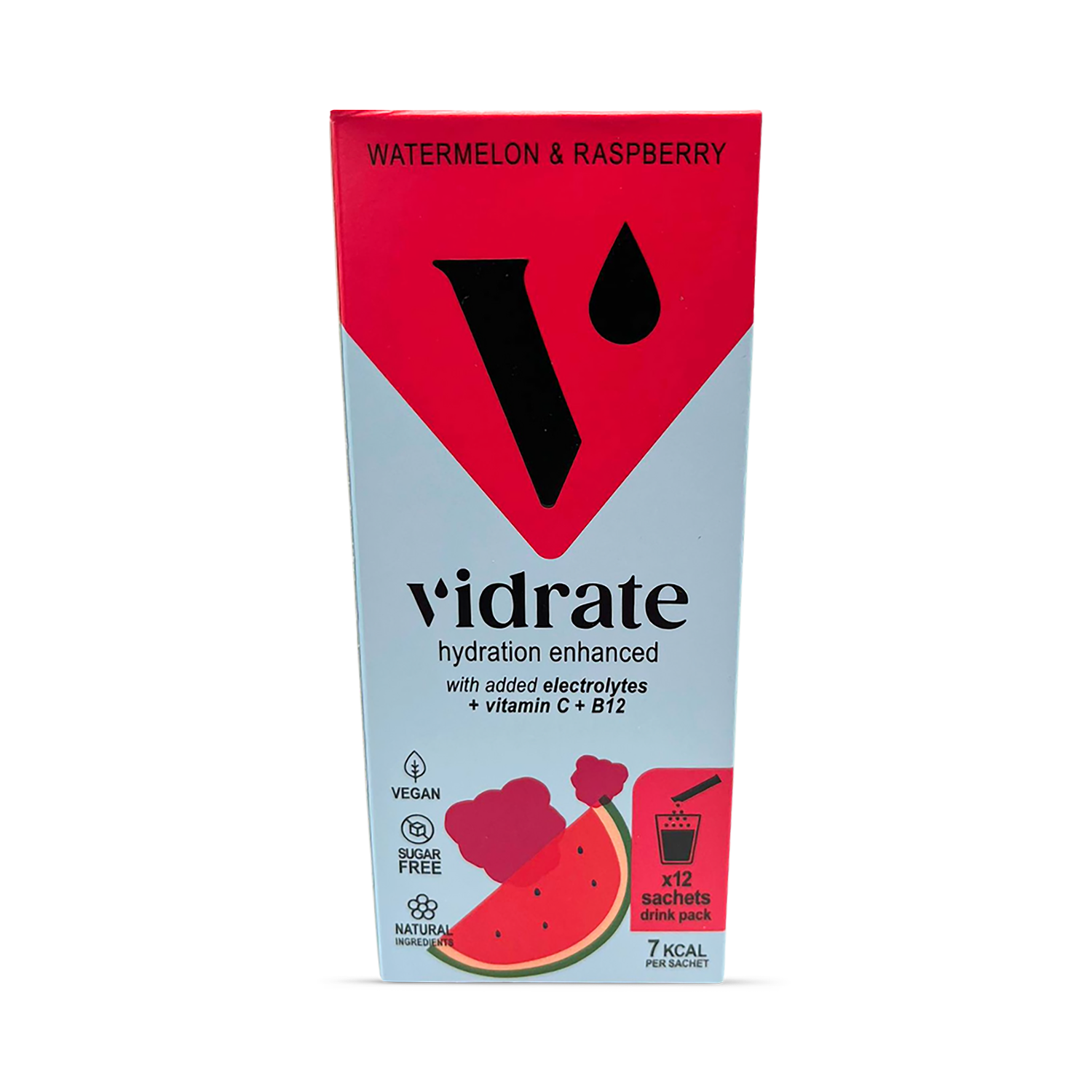
Plant Press Clean Caffeine Watermelon
Analysis updated August 2026 · How Scout scores
At a glance
Summary
This product contains beneficial ingredients such as electrolytes and vitamins, which support hydration and overall health. However, the presence of organic agave nectar, a high-fructose sweetener, and natural flavors, which lack transparency, slightly detracts from its overall formulation quality. Despite these concerns, the product remains relatively clean with no artificial dyes or sweeteners, making it a moderately healthy choice within its category.
Key ingredients 19
Ascorbic AcidGood
Ascorbic acid, also known as Vitamin C, is an essential nutrient that supports immune function and acts as an antioxidant. It is commonly added to foods for its health benefits and preservative qualities. Its role in collagen synthesis and immune support is well-documented.
Benefits
Supports immune function and acts as an antioxidant.
Sea SaltGood
Sea salt is a natural source of sodium and other trace minerals, which are essential for maintaining fluid balance and nerve function. It is less processed than table salt and retains more minerals. Its role in electrolyte balance is crucial for hydration.
Risks
Excessive sodium intake can lead to hypertension and cardiovascular issues.
Benefits
Provides essential minerals and supports electrolyte balance.
Monk Fruit ExtractGood
Beneficial ingredient — whole-food or functional value in this product class.
Benefits
Provides sweetness without calories or impact on blood sugar levels.
Potassium CitrateGood
Potassium citrate is an electrolyte that helps maintain proper fluid balance and nerve function. It is often used to prevent kidney stones and support cardiovascular health. Its role in maintaining electrolyte balance is beneficial for hydration.
Risks
Excessive intake may lead to hyperkalemia, affecting heart function.
Benefits
Supports electrolyte balance and cardiovascular health.
NiacinGood
Niacin, or Vitamin B3, is essential for energy metabolism and maintaining healthy skin and nerves. It is often added to foods for its health benefits. Its role in converting food into energy is crucial for overall health.
Risks
High doses may cause flushing and liver damage.
Benefits
Supports energy metabolism and maintains healthy skin and nerves.
Tocopheryl AcetateGood
Tocopheryl acetate is a form of Vitamin E, an antioxidant that protects cells from oxidative damage. It is commonly used in supplements for its health benefits. Its role in protecting cell membranes and supporting immune function is well-documented.
Risks
High doses may interfere with blood clotting.
Benefits
Acts as an antioxidant and supports immune function.
Pyridoxine HCLGood
Pyridoxine HCL, or Vitamin B6, is essential for protein metabolism and cognitive development. It is often added to foods for its health benefits. Its role in neurotransmitter synthesis and immune function is crucial for overall health.
Risks
High doses may cause nerve damage.
Benefits
Supports protein metabolism and cognitive development.
Sodium SeleniteGood
Sodium selenite is a form of selenium, an essential trace mineral with antioxidant properties. It supports thyroid function and immune health. Its role in protecting cells from oxidative damage is beneficial for overall health.
Risks
High doses may lead to selenium toxicity.
Benefits
Supports thyroid function and acts as an antioxidant.
CholecalciferolGood
Cholecalciferol, or Vitamin D3, is essential for calcium absorption and bone health. It is often added to foods for its health benefits. Its role in supporting immune function and bone health is well-documented.
Risks
Excessive intake may lead to hypercalcemia.
Benefits
Supports calcium absorption and bone health.
CyanocobalaminGood
Cyanocobalamin, or Vitamin B12, is essential for nerve function and red blood cell formation. It is often added to foods for its health benefits. Its role in energy metabolism and neurological health is crucial for overall well-being.
Benefits
Supports nerve function and red blood cell formation.
Filtered Carbonated WaterNeutral
Filtered carbonated water is a neutral ingredient that serves as the base for the beverage. It provides hydration without any additional calories or nutrients. The carbonation process does not significantly alter its nutritional profile.
See more about Filtered Carbonated Water →Citric AcidNeutral
Citric acid is used as a flavoring and preservative agent in foods and beverages. It is generally recognized as safe and is naturally found in citrus fruits. Its role in enhancing flavor and preserving freshness is well-established.
Risks
Excessive consumption may lead to dental erosion.
Benefits
Helps preserve the product and enhance its flavor profile.
Monk Fruit ConcentrateNeutral
Monk fruit concentrate is a natural sweetener with zero calories, derived from the monk fruit. It is considered safe and does not impact blood sugar levels. Its use as a sweetener is increasing due to its natural origin and lack of calories.
Benefits
Provides sweetness without calories or impact on blood sugar levels.
Organic CaffeineNeutral
Organic caffeine is a natural stimulant that can enhance alertness and cognitive performance. Being organic, it is free from synthetic pesticides and fertilizers. Its effects on energy levels and mental focus are well-recognized.
Risks
Excessive consumption may lead to jitteriness and increased heart rate.
Benefits
Enhances alertness and cognitive performance.
Rebaudioside ANeutral
Rebaudioside A is a steviol glycoside derived from the stevia plant, used as a natural sweetener. It is calorie-free and does not affect blood sugar levels. Its natural origin and zero-calorie profile make it a popular sugar substitute.
Benefits
Provides sweetness without calories or impact on blood sugar levels.
Sodium CitrateNeutral
Standard formulation ingredient — neither beneficial nor harmful at typical use.
Risks
Excessive sodium intake can lead to hypertension and cardiovascular issues.
Benefits
Supports electrolyte balance and enhances hydration.
Folic AcidNeutral
Standard formulation ingredient — neither beneficial nor harmful at typical use.
Risks
Excessive intake may mask vitamin B12 deficiency.
Benefits
Supports DNA synthesis and prevents neural tube defects.
Organic Agave NectarBad
Organic agave nectar is a sweetener with a high fructose content, which can contribute to metabolic issues when consumed in excess. Despite being organic, its high fructose level is a concern for liver health and insulin sensitivity. It is often marketed as a healthier alternative to sugar, but its health impacts are similar.
Risks
High fructose content may lead to insulin resistance and liver issues when consumed in large amounts.
Benefits
Provides a natural source of sweetness with a lower glycemic index than table sugar.
Natural FlavorsBad
Natural flavors are a catch-all term for flavoring agents derived from natural sources but can be highly processed. They lack transparency, making it difficult to assess their health impact. The processing methods and potential additives used in natural flavors can be concerning.
Risks
Lack of transparency and potential for undisclosed additives may pose health concerns.
Processing
Processed Foods
Get the full breakdown in the Scout appTake Scout shopping
Scan any product to see lab results, healthy alternatives, and your personalized analysis.
Download on theApp Store GET IT ONGoogle Play