



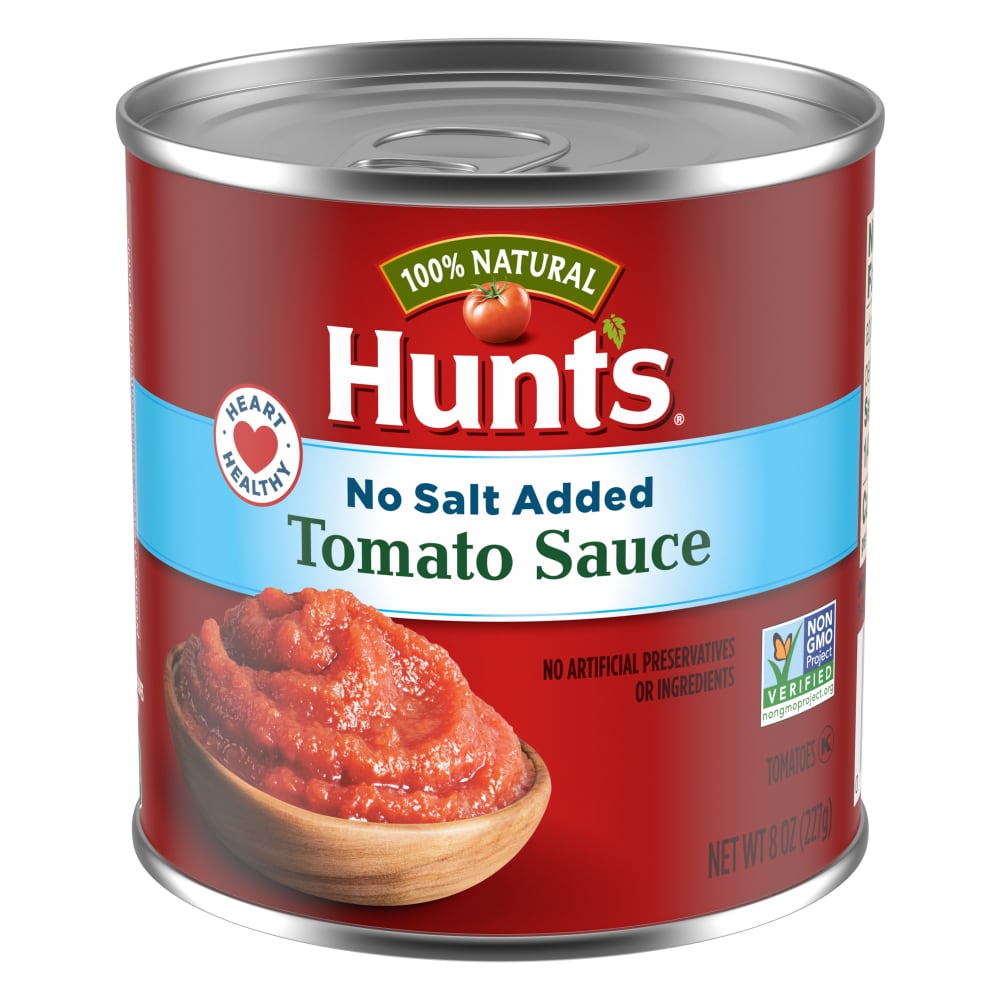
At a glance
Summary
This hot sauce contains beneficial ingredients like tomatoes, serrano peppers, cilantro, and garlic, which are minimally processed and provide nutritional benefits. However, the presence of 'natural flavors' introduces a level of processing that lacks transparency and could include various chemical compounds. Despite its positive ingredients, the product is classified as ultra-processed, which limits its overall health score.
Key ingredients 13
TomatoesGood
Tomatoes are a rich source of vitamins, minerals, and antioxidants like lycopene. They are minimally processed and provide essential nutrients. Their natural sugars and acids contribute to flavor without excessive processing.
Benefits
Rich in vitamins A and C, and lycopene, which may reduce the risk of chronic diseases.
Serrano peppersGood
Serrano peppers are a source of capsaicin, which has anti-inflammatory properties. They add heat and flavor with minimal processing. Capsaicin may also aid in metabolism and pain relief.
Risks
May cause digestive discomfort in sensitive individuals or when consumed in large quantities.
Benefits
Contains capsaicin, which may support metabolism and provide anti-inflammatory benefits.
CilantroGood
Cilantro is a fresh herb that adds flavor and aroma to dishes. It is minimally processed and contains antioxidants. Its unique flavor profile enhances the overall taste of the sauce.
Benefits
Contains antioxidants and may aid in digestion.
GarlicGood
Garlic is known for its potential health benefits, including antimicrobial and cardiovascular support. It is minimally processed and adds a pungent flavor. Its active compounds, like allicin, contribute to its health benefits.
Risks
May cause digestive discomfort in some individuals.
Benefits
Contains allicin, which may support heart health and provide antimicrobial properties.
SpicesGood
Whole-food seasonings, antioxidant-bearing.
Benefits
May provide antioxidants and enhance flavor.
Tomato juiceNeutral
Tomato juice is a processed form of tomatoes that retains some nutrients but may lose fiber. It is often used to enhance flavor and consistency. The processing may reduce some vitamin content compared to whole tomatoes.
Benefits
Provides vitamins and minerals similar to whole tomatoes, though in reduced amounts.
Tomato pasteNeutral
Tomato paste is a concentrated form of tomatoes, providing a rich flavor and thickening properties. It is more processed than fresh tomatoes but retains some nutrients. The concentration process enhances the flavor profile.
Benefits
Offers a concentrated source of tomato flavor and nutrients like lycopene.
WaterNeutral
Water is used as a solvent and to adjust the consistency of the sauce. It is a neutral ingredient with no nutritional value. Its primary role is to dilute and blend other ingredients.
See more about Water →SaltNeutral
Salt is used to enhance flavor and preserve the product. It is a common ingredient in condiments but should be consumed in moderation. Excessive intake can lead to health issues like hypertension.
Risks
High sodium intake may contribute to hypertension and cardiovascular issues.
Benefits
Enhances flavor and acts as a preservative.
Citric acidNeutral
Citric acid is used as a preservative and to add acidity to foods. It is a naturally occurring compound but is often industrially produced. It helps maintain the product's shelf life and flavor.
Benefits
Helps preserve the product and enhance its flavor.
Tomato fiberNeutral
Tomato fiber is added to improve texture and fiber content. It is derived from tomatoes and retains some nutritional benefits. Its inclusion helps enhance the sauce's consistency.
Benefits
Adds dietary fiber, which can aid in digestion.
Calcium chlorideNeutral
Calcium chloride is used as a firming agent and to maintain texture. It is a common food additive with no significant nutritional value. Its primary role is to stabilize the product's consistency.
Benefits
Helps maintain product texture and stability.
Natural flavorsBad
Natural flavors are used to enhance taste but lack transparency in their composition. They are often highly processed and can include a variety of chemical compounds. The lack of specificity makes it difficult to assess their health impact.
Risks
Potential allergens and unknown chemical compounds may pose health risks.
Processing
Ultra-Processed Foods
Get the full breakdown in the Scout appTake Scout shopping
Scan any product to see lab results, healthy alternatives, and your personalized analysis.
Download on theApp Store GET IT ONGoogle Play