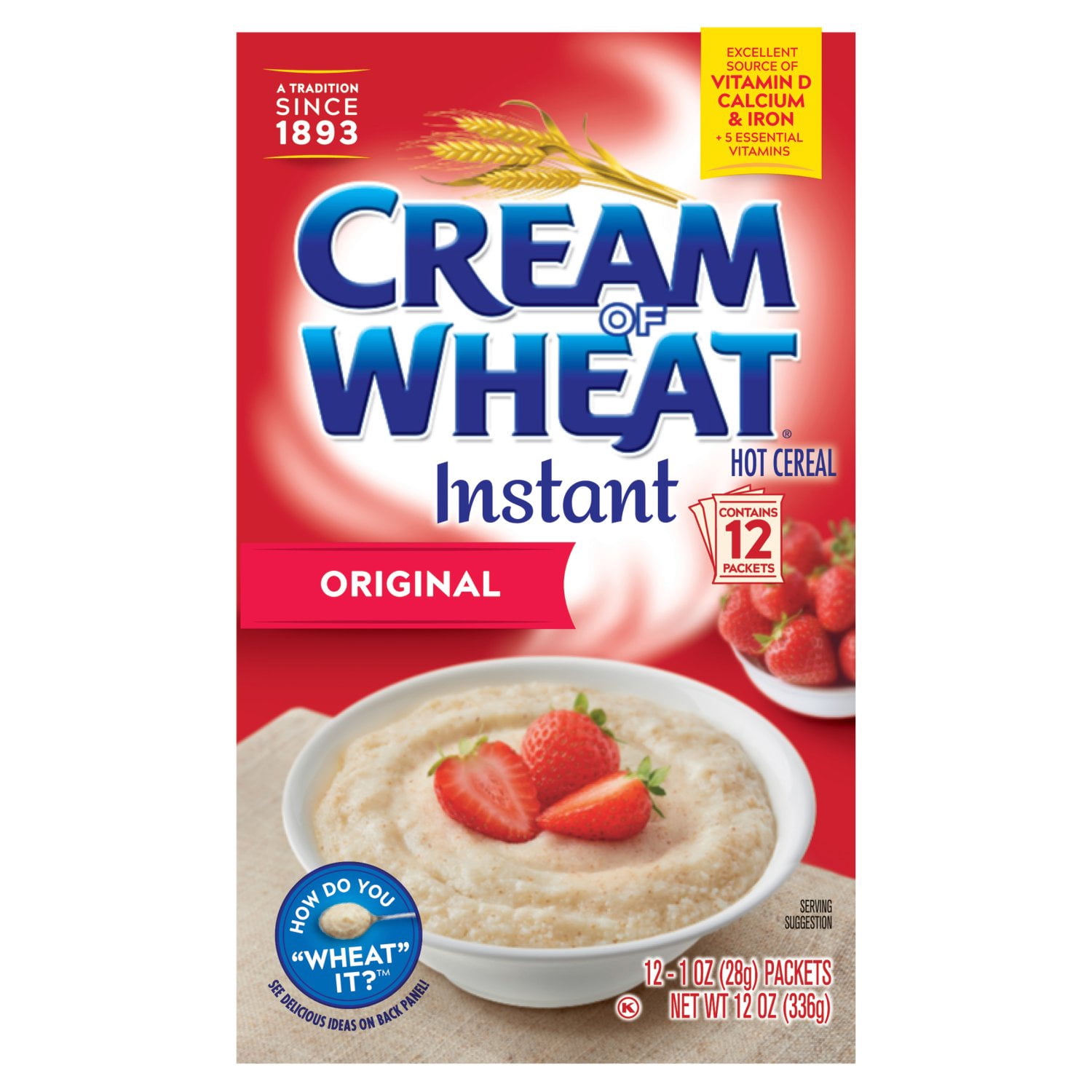
WHOLE GRAIN WHEAT AND BRAN CEREAL

At a glance
Summary
This cereal contains beneficial ingredients like whole grain wheat and wheat bran, which provide fiber and essential nutrients. However, it also includes refined sugar, which contributes to its high sugar content and is linked to health issues such as obesity and metabolic disorders. The product is moderately processed, which limits its score despite the presence of some fortified vitamins and minerals.
Key ingredients 16
Whole grain wheatVery Good
Whole grain wheat is a rich source of dietary fiber and essential nutrients. It is minimally processed, retaining its bran and germ, which provide vitamins and minerals. This ingredient supports digestive health and provides sustained energy.
Benefits
Rich in dietary fiber, which aids in digestion and helps maintain healthy cholesterol levels. Provides essential nutrients such as B vitamins and iron.
Wheat branGood
Wheat bran is high in dietary fiber and beneficial for digestive health. It is a byproduct of milling wheat and contains important nutrients like magnesium and phosphorus. This ingredient can help improve bowel regularity.
Risks
Excessive consumption may cause digestive discomfort in some individuals.
Benefits
Provides a high amount of dietary fiber, which supports digestive health and can aid in weight management.
Malted barley flourGood
Malted barley flour is used to enhance flavor and improve texture in baked goods. It contains enzymes that help break down starches into sugars, aiding in fermentation. This ingredient can add a subtle sweetness and nutritional benefits.
Benefits
Enhances flavor and texture in foods, and provides some vitamins and minerals.
Reduced ironGood
Reduced iron is added to fortify foods with essential minerals. It helps prevent iron deficiency anemia and supports oxygen transport in the body. This ingredient is important for maintaining healthy blood cells.
Risks
Excessive iron intake can lead to toxicity, especially in individuals with hemochromatosis.
Benefits
Essential for the production of hemoglobin and prevention of anemia.
Niacinamide (vitamin B3)Good
Niacinamide is a form of vitamin B3 used to fortify foods. It plays a crucial role in energy metabolism and DNA repair. This ingredient supports skin health and reduces inflammation.
Benefits
Supports energy production and skin health, and helps reduce inflammation.
Zinc oxideGood
Zinc oxide is used to fortify foods with zinc, an essential mineral. It supports immune function and wound healing. This ingredient is important for maintaining healthy skin and cellular function.
Risks
Excessive zinc intake can interfere with copper absorption and cause gastrointestinal issues.
Benefits
Essential for immune function, wound healing, and maintaining healthy skin.
Vitamin A palmitateGood
Vitamin A palmitate is a form of vitamin A used to fortify foods. It is important for vision, immune function, and skin health. This ingredient helps prevent vitamin A deficiency.
Risks
Excessive intake can lead to hypervitaminosis A, causing liver damage and other health issues.
Benefits
Supports vision, immune function, and skin health.
Pyridoxine hydrochloride (vitamin B6)Good
Pyridoxine hydrochloride is a form of vitamin B6 used to fortify foods. It is essential for protein metabolism and neurotransmitter synthesis. This ingredient supports brain health and reduces inflammation.
Benefits
Supports brain health, protein metabolism, and reduces inflammation.
Thiamin mononitrate (vitamin B1)Good
Thiamin mononitrate is a form of vitamin B1 used to fortify foods. It is crucial for energy metabolism and nerve function. This ingredient helps prevent thiamin deficiency and supports cardiovascular health.
Benefits
Supports energy metabolism and nerve function, and helps prevent thiamin deficiency.
Riboflavin (vitamin B2)Good
Riboflavin is a form of vitamin B2 used to fortify foods. It is important for energy production and cellular function. This ingredient supports skin health and helps prevent riboflavin deficiency.
Benefits
Supports energy production and skin health, and helps prevent riboflavin deficiency.
Folic acidGood
Folic acid is a form of vitamin B9 used to fortify foods. It is essential for DNA synthesis and cell division. This ingredient is crucial for preventing neural tube defects during pregnancy.
Risks
Excessive intake can mask vitamin B12 deficiency symptoms.
Benefits
Supports DNA synthesis and cell division, and is crucial for fetal development during pregnancy.
Vitamin B12Good
Vitamin B12 is used to fortify foods and is essential for nerve function and red blood cell formation. It helps prevent vitamin B12 deficiency and supports energy metabolism. This ingredient is crucial for maintaining neurological health.
Benefits
Supports nerve function and red blood cell formation, and helps prevent vitamin B12 deficiency.
Vitamin D3Good
Vitamin D3 is used to fortify foods and is essential for calcium absorption and bone health. It helps prevent vitamin D deficiency and supports immune function. This ingredient is important for maintaining healthy bones and teeth.
Risks
Excessive intake can lead to hypercalcemia, causing kidney damage and other health issues.
Benefits
Supports calcium absorption and bone health, and helps prevent vitamin D deficiency.
Wheat flourNeutral
Wheat flour is a common ingredient used in many baked goods and cereals. It is a source of carbohydrates and some protein. The nutritional value depends on the degree of refinement and fortification.
Risks
May cause allergic reactions in individuals with gluten intolerance or celiac disease.
Benefits
Provides carbohydrates for energy and some protein, depending on the type of wheat used.
SaltNeutral
Salt is used to enhance flavor and preserve food. It is a processed ingredient that provides sodium, an essential mineral. However, excessive intake can lead to health issues such as hypertension.
Risks
High sodium intake is linked to increased risk of hypertension and cardiovascular diseases.
Benefits
Provides sodium, which is essential for maintaining fluid balance and nerve function.
SugarBad
Refined sugar is associated with increased risk of obesity and metabolic disorders. It is a highly processed ingredient that provides empty calories without nutritional benefits. Excessive intake can lead to health issues such as diabetes and heart disease.
Risks
High consumption can contribute to obesity, type 2 diabetes, and dental cavities.
Processing
Processed Foods
Get the full breakdown in the Scout appTake Scout shopping
Scan any product to see lab results, healthy alternatives, and your personalized analysis.
Are you Post? Fix an error Get the badge Get tested