GHOST Protein Cereal Lucky Charms Flavored
Swap it for
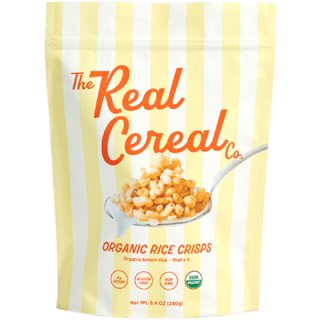
 The Real Cereal Co. Organic Rice Crisps The Real Cereal Co. · 3 pack View on Amazon See all Cereal, ranked
At a glance
Summary
GHOST Protein Cereal Lucky Charms Flavored scores 5/100. Despite 17g protein, contains four artificial dyes (Yellow 5, Yellow 6, Red 40, Blue 1), canola/sunflower seed oils, sucralose alongside 10g added sugars, soy protein isolate, and artificial flavors. A textbook ultra-processed product. It is a protein cereal flavored like Lucky Charms.
Key ingredients 20
Canola and/or Sunflower OilVery Bad
Canola and sunflower oils are seed oils high in omega-6 fatty acids, which can promote inflammation when consumed in excess. They are often highly processed and refined. Used in many processed foods for cooking and texture.
Risks
High omega-6 content may promote inflammation and imbalance omega-3 to omega-6 ratio.
Soy Protein IsolateBad
Soy protein isolate is a highly processed form of soy protein with potential allergenic properties. It lacks the complete amino acid profile found in animal proteins. It is often used in processed foods to increase protein content.
Risks
May cause allergic reactions and contains phytoestrogens that could affect hormone balance.
Benefits
Provides a plant-based protein source for those avoiding animal products.
MarshmallowsBad
Marshmallows are primarily composed of sugar and gelatin, offering little nutritional value. They are high in refined sugars, which can contribute to various health issues. Often used for flavor and texture in processed foods.
Risks
High sugar content can lead to increased risk of obesity and dental issues.
SugarBad
Sugar is a refined carbohydrate that provides quick energy but lacks essential nutrients. Excessive consumption is linked to various health issues, including obesity and diabetes. It is commonly used to enhance sweetness in foods.
Risks
High intake can lead to obesity, insulin resistance, and dental cavities.
Benefits
Provides quick energy but should be consumed in moderation.
Palm OilBad
Palm oil is a saturated fat that is often used in processed foods for its stability and texture. It is associated with environmental concerns due to deforestation. While it is stable for cooking, it offers limited health benefits.
Risks
High in saturated fats, which may contribute to heart disease if consumed in excess.
Benefits
Provides a stable cooking fat with a long shelf life.
Palm Kernel OilBad
Palm kernel oil is a highly saturated fat derived from the kernel of the palm fruit. It is used in processed foods for its texture and stability. It is less healthy compared to unsaturated fats.
Risks
High saturated fat content may increase the risk of heart disease.
Benefits
Offers stability in cooking and a long shelf life.
DextroseBad
Dextrose is a simple sugar derived from corn, used to provide quick energy. It is similar to glucose and can rapidly increase blood sugar levels. Commonly used in processed foods for sweetness and energy.
Risks
Can lead to spikes in blood sugar and contribute to insulin resistance if consumed in excess.
Benefits
Provides quick energy but should be consumed in moderation.
Soy LecithinBad
Soy lecithin is an emulsifier derived from soybeans, used to improve texture and mixability in foods. It is a processed ingredient with potential allergenic properties. It offers no significant health benefits.
Risks
May cause allergic reactions in individuals sensitive to soy.
Benefits
Improves texture and mixability in processed foods.
Natural and Artificial FlavorBad
Natural and artificial flavors are used to enhance taste but offer no nutritional value. They are often highly processed and can contain undisclosed chemical compounds. Their use is common in processed foods to mimic natural flavors.
Risks
May contain undisclosed chemicals that could cause allergic reactions or sensitivities.
SucraloseBad
Sucralose is an artificial sweetener used to provide sweetness without calories. It is highly processed and may affect gut health. It is commonly used in diet products as a sugar substitute.
Risks
May alter gut microbiota and cause digestive issues in some individuals.
Benefits
Provides sweetness without the caloric impact of sugar.
Sodium CaseinateNeutral
Sodium caseinate is a protein derived from casein in milk, used to enhance texture and protein content. It is a common additive in processed foods. It is generally safe but offers no significant health benefits.
Risks
May cause allergic reactions in individuals with milk allergies.
Benefits
Contributes to protein content and texture improvement.
AlluloseNeutral
Allulose is a low-calorie sweetener that mimics the taste of sugar without the same caloric impact. It is generally recognized as safe and does not significantly affect blood glucose levels. Used as a sugar alternative in various products.
Risks
Excessive consumption may cause digestive discomfort.
Benefits
Offers a sugar-like taste with fewer calories and minimal impact on blood sugar.
Nonfat Dry MilkNeutral
Nonfat dry milk is a dehydrated form of milk that retains most of its nutrients except fat. It is used to increase protein content and improve texture in processed foods. It is generally safe but offers no significant health benefits.
Risks
May cause allergic reactions in individuals with milk allergies.
Benefits
Contributes to protein content and provides essential nutrients found in milk.
Calcium CarbonateNeutral
Calcium carbonate is a mineral used to fortify foods with calcium. It is commonly used as a dietary supplement to support bone health. It is generally safe but offers no additional health benefits beyond calcium supplementation.
Risks
Excessive intake may lead to hypercalcemia or kidney stones.
Benefits
Provides a source of calcium, which is essential for bone health.
SaltNeutral
Salt is a common seasoning used to enhance flavor. It is essential for maintaining fluid balance and nerve function. However, excessive consumption can lead to health issues.
Risks
High sodium intake can contribute to hypertension and cardiovascular disease.
Benefits
Essential for maintaining fluid balance and nerve function.
Turmeric ExtractNeutral
Turmeric extract is derived from the turmeric root and is known for its anti-inflammatory properties. It is used in small amounts for flavor and color. While beneficial, the amount used in processed foods is often minimal.
Benefits
Contains curcumin, which has anti-inflammatory and antioxidant properties.
Milk Protein ConcentrateGood
Milk protein concentrate is a high-quality protein source with a complete amino acid profile. It is derived from milk and retains most of the beneficial nutrients. It supports muscle repair and growth.
Risks
Potential lactose intolerance issues for sensitive individuals.
Benefits
Provides essential amino acids necessary for muscle repair and growth.
Whey Protein ConcentrateGood
Whey protein concentrate is a high-quality protein source with a complete amino acid profile. It is derived from milk and supports muscle growth and repair. It is easily digestible and absorbed by the body.
Risks
May cause digestive issues for those with lactose intolerance.
Benefits
Rich in essential amino acids and supports muscle repair and growth.
Rosemary ExtractGood
Beneficial ingredient — whole-food or functional value in this product class.
Benefits
Provides antioxidant properties that help preserve food.
Vitamin E (mixed tocopherols)Good
Beneficial ingredient — whole-food or functional value in this product class.
Benefits
Provides antioxidant properties that help preserve food and protect cells from oxidative damage.
Processing
Ultra-Processed Foods
Get the full breakdown in the Scout appTake Scout shopping
Scan any product to see lab results, healthy alternatives, and your personalized analysis.
Are you GHOST? Fix an error Get the badge Get tested
Amazon pricing & content
CERTAIN CONTENT THAT APPEARS ON THIS SITE COMES FROM AMAZON. THIS CONTENT IS PROVIDED “AS IS” AND IS SUBJECT TO CHANGE OR REMOVAL AT ANY TIME.