Quaker Oatmeal Squares Cinnamon
Swap it for
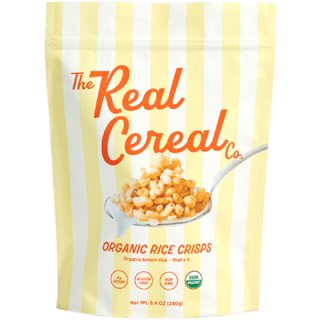
 The Real Cereal Co. Organic Rice Crisps The Real Cereal Co. · 3 pack View on Amazon See all Cereal, ranked
At a glance
Summary
Quaker Oatmeal Squares Cinnamon scores 6/100. EWG 2023 testing found the highest glyphosate of any product tested at 482.9 ppb. Contains maltodextrin and multiple sweeteners. NOVA 4.
Contaminants 1
Source: EWG
Glyphosate 482.9 ppb High
Detected at a high level — at or above health-based benchmarks such as EWG's 160 ppb children's-health benchmark. Regular exposure at this level is a genuine health concern. Glyphosate is classified as a probable human carcinogen by IARC, and glyphosate-residue-free supply chains exist — so its presence reflects ingredient sourcing.
EWG 2023 testing detected glyphosate at 482.9 ppb — the highest of ANY product tested in the study.
Key ingredients 23
Brown sugarBad
Processed additive flagged under Scout's ingredient doctrine.
Risks
Excessive consumption can lead to health issues such as obesity and dental cavities.
Benefits
Provides a richer flavor compared to white sugar due to the presence of molasses.
SugarBad
Sugar is a refined sweetener with no nutritional benefits. It is highly processed and contributes to empty calorie intake. Excessive consumption is linked to various health issues.
Risks
High intake can lead to obesity, diabetes, and dental problems.
MaltodextrinBad
Maltodextrin is a highly processed carbohydrate used as a thickener or filler. It has a high glycemic index, which can spike blood sugar levels. It is often used in processed foods for texture.
Risks
May cause blood sugar spikes and is not suitable for diabetics.
Natural flavorBad
Natural flavor is a catch-all term for flavoring agents derived from natural sources. It is highly processed and lacks transparency about its specific components. It is used to enhance taste without adding nutritional value.
Risks
May contain allergens or additives not disclosed on the label.
BHTBad
BHT is a synthetic antioxidant used to preserve food. It is a highly processed additive with potential health concerns. Some studies suggest it may have carcinogenic effects.
Risks
Potentially linked to cancer and other health issues in high doses.
Malted barley extractNeutral
Malted barley extract is used for flavor and as a natural sweetener. It is less processed than refined sugars but still contributes to sugar intake. It adds a malty flavor to foods.
Risks
Contains gluten, which may be a concern for those with celiac disease or gluten sensitivity.
Benefits
Provides a natural source of sweetness and flavor.
MolassesNeutral
Molasses is a byproduct of sugar refining that retains some minerals. It is less processed than refined sugar but still contributes to sugar intake. It adds a rich flavor to foods.
Risks
High consumption can contribute to excessive sugar intake.
Benefits
Contains small amounts of minerals like iron and calcium.
SaltNeutral
Salt is used as a seasoning and preservative. It is a refined ingredient that provides sodium, essential for bodily functions. Excessive intake can lead to health issues.
Risks
High sodium intake is linked to hypertension and cardiovascular diseases.
Benefits
Essential for maintaining fluid balance and nerve function.
Calcium carbonateNeutral
Calcium carbonate is used as a calcium supplement and food additive. It is a processed form of calcium that supports bone health. It is commonly used to fortify foods.
Risks
Excessive intake can lead to hypercalcemia and kidney stones.
Benefits
Provides a source of calcium, important for bone health.
Sodium bicarbonateNeutral
Sodium bicarbonate is a leavening agent used in baking. It is a processed ingredient that helps dough rise. It is generally recognized as safe in food applications.
Benefits
Helps improve texture and volume in baked goods.
Sodium ascorbateNeutral
Sodium ascorbate is a form of vitamin C used as an antioxidant. It is a processed ingredient that helps preserve food quality. It contributes to vitamin C intake.
Benefits
Provides vitamin C, which is important for immune function and skin health.
Reduced ironNeutral
Reduced iron is used to fortify foods with iron. It is a processed form of iron that helps prevent anemia. It is commonly added to cereals and grains.
Risks
Excessive iron intake can lead to toxicity and health issues.
Benefits
Helps prevent iron deficiency anemia by providing a source of iron.
Alpha tocopheryl acetateNeutral
Alpha tocopheryl acetate is a form of vitamin E used as an antioxidant. It is a processed ingredient that helps preserve food quality. It contributes to vitamin E intake.
Benefits
Provides vitamin E, which is important for skin health and immune function.
Zinc oxideNeutral
Zinc oxide is used to fortify foods with zinc. It is a processed form of zinc that supports immune function. It is commonly added to cereals and grains.
Risks
Excessive zinc intake can lead to toxicity and health issues.
Benefits
Helps support immune function and wound healing.
Thiamine mononitrateNeutral
Thiamine mononitrate is a form of vitamin B1 used to fortify foods. It is a processed ingredient that supports energy metabolism. It is commonly added to cereals and grains.
Benefits
Supports energy production and nervous system function.
Folic acidNeutral
Folic acid is a form of vitamin B9 used to fortify foods. It is a processed ingredient that supports cell division and growth. It is commonly added to cereals and grains.
Risks
Excessive intake can mask vitamin B12 deficiency.
Benefits
Supports DNA synthesis and is important during pregnancy.
Vitamin A palmitateNeutral
Vitamin A palmitate is a form of vitamin A used to fortify foods. It is a processed ingredient that supports vision and immune function. It is commonly added to cereals and grains.
Risks
Excessive intake can lead to toxicity and health issues.
Benefits
Supports vision and immune function.
Whole grain oat flourGood
Whole grain oat flour is a source of dietary fiber and essential nutrients. It is minimally processed, retaining most of its natural nutrients. It supports digestive health and provides sustained energy.
Benefits
Rich in dietary fiber, which aids in digestion and helps maintain stable blood sugar levels.
Whole wheat flourGood
Whole wheat flour is a nutritious ingredient providing fiber, vitamins, and minerals. It is less processed than refined flour, retaining more nutrients. It supports heart health and digestion.
Risks
May cause allergic reactions in individuals with gluten intolerance or celiac disease.
Benefits
Provides dietary fiber and essential nutrients that support overall health.
CinnamonGood
Cinnamon is a spice with antioxidant properties and potential health benefits. It is minimally processed and adds flavor without calories. It may help regulate blood sugar levels.
Benefits
Contains antioxidants and may have anti-inflammatory properties.
NiacinamideGood
Vitamin B3 — evidence-backed skin and metabolic benefits.
Benefits
Supports energy production and skin health.
Pyridoxine hydrochlorideGood
Beneficial ingredient — whole-food or functional value in this product class.
Benefits
Supports protein metabolism and cognitive development.
RiboflavinGood
Essential B vitamin — beneficial micronutrient.
Benefits
Supports energy production and skin health.
Processing
Ultra-Processed Foods
Get the full breakdown in the Scout appTake Scout shopping
Scan any product to see lab results, healthy alternatives, and your personalized analysis.
Are you Quaker? Fix an error Get the badge Get tested
Amazon pricing & content
CERTAIN CONTENT THAT APPEARS ON THIS SITE COMES FROM AMAZON. THIS CONTENT IS PROVIDED “AS IS” AND IS SUBJECT TO CHANGE OR REMOVAL AT ANY TIME.