







Near you
Trader Joe's is carried at Trader Joe stores. Find one within 25 miles.
At a glance
Summary
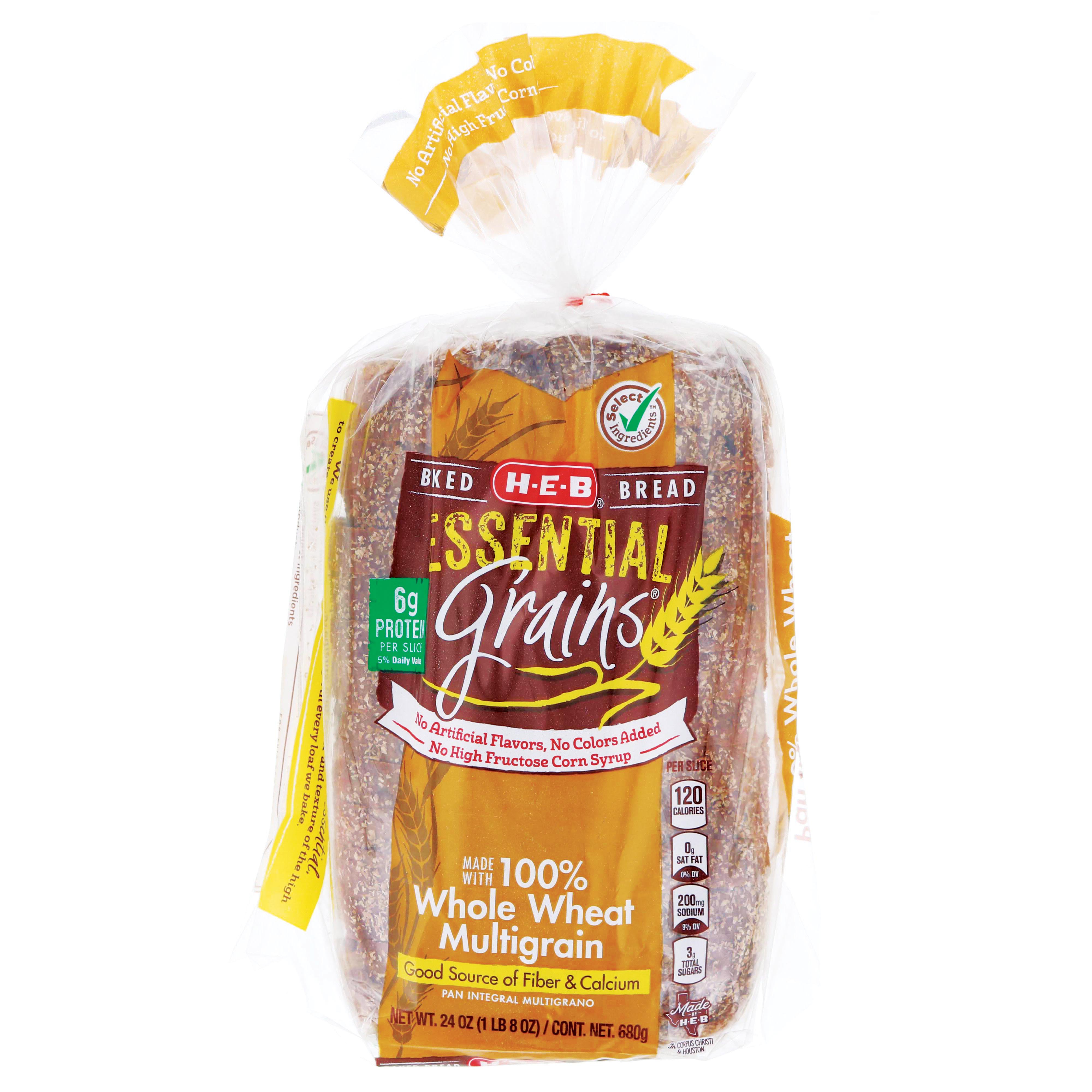
This bread contains whole wheat flour and honey, which are beneficial ingredients contributing to its nutritional profile. However, the presence of expeller pressed canola oil, a seed oil high in omega-6 fatty acids, and soy lecithin, a processed emulsifier, are concerns. The product is also classified as ultra-processed, which limits its overall health rating despite having only a few additives.
Key ingredients 14
Whole wheat flourGood
Whole wheat flour is a source of dietary fiber and essential nutrients. It is less processed than refined flour, retaining more vitamins and minerals. This contributes to better digestive health and sustained energy levels.
Benefits
Rich in dietary fiber, which aids in digestion and helps maintain stable blood sugar levels.
HoneyGood
Honey is a natural sweetener that provides a mild sweetness and moisture to bread. It contains trace amounts of vitamins and antioxidants. Unlike refined sugars, it offers some nutritional benefits.
Risks
Excessive consumption can contribute to high sugar intake, which may lead to health issues.
Benefits
Contains antioxidants and has a lower glycemic index compared to refined sugars.
Wheat branGood
Wheat bran is a rich source of dietary fiber and essential nutrients. It supports digestive health and can aid in maintaining healthy cholesterol levels. Its inclusion enhances the nutritional profile of bread.
Benefits
High in dietary fiber, which supports digestive health and may help lower cholesterol levels.
Ascorbic acidGood
Vitamin C — beneficial even when serving as a preservative.
Benefits
Improves dough quality and acts as an antioxidant.
WaterNeutral
Water is a fundamental ingredient used in baking to hydrate flour and activate yeast. It does not provide nutritional value but is essential for the bread-making process. Its quality can affect the texture and rise of the bread.
See more about Water →Wheat glutenNeutral
Wheat gluten is added to improve the elasticity and texture of bread. It is a protein that helps bread rise and maintain its shape. While beneficial for bread structure, it may cause issues for those with gluten sensitivities.
Risks
May cause adverse reactions in individuals with gluten intolerance or celiac disease.
Benefits
Enhances the texture and elasticity of bread, contributing to a desirable crumb structure.
YeastNeutral
Yeast is a microorganism used to ferment sugars, producing carbon dioxide that helps bread rise. It is a natural leavening agent essential for bread making. It does not provide significant nutritional value.
Benefits
Essential for leavening bread, contributing to its texture and flavor.
Cultured whole wheat flour with vinegarNeutral
This ingredient is used to enhance freshness and extend shelf life. The vinegar acts as a natural preservative. It does not significantly alter the nutritional profile of the bread.
Benefits
Helps maintain freshness and extends the shelf life of the bread.
SaltNeutral
Salt is used to enhance flavor and control yeast activity in bread. It is a common culinary ingredient with no significant nutritional benefits. Excessive consumption can contribute to high sodium intake.
Risks
High sodium intake can lead to increased blood pressure and cardiovascular issues.
Benefits
Enhances flavor and helps control yeast activity in bread.
Wheat starchNeutral
Wheat starch is used to improve the texture and consistency of bread. It is a refined carbohydrate with limited nutritional value. It does not significantly impact the health profile of the bread.
Benefits
Contributes to the texture and consistency of bread.
Distilled white vinegarNeutral
Distilled white vinegar is used as a preservative and flavor enhancer. It is a natural product with no significant nutritional value. It helps maintain the freshness of bread.
Benefits
Acts as a natural preservative and flavor enhancer.
EnzymesNeutral
Enzymes are used to enhance dough handling and improve bread texture. They are naturally occurring proteins that aid in the baking process. They do not provide nutritional benefits.
Benefits
Enhances dough handling and improves bread texture.
Soy lecithinBad
Soy lecithin is an emulsifier used to improve texture and extend shelf life. It is a processed ingredient derived from soybeans. While generally recognized as safe, it is not nutritionally beneficial.
Risks
May cause allergic reactions in individuals sensitive to soy.
Benefits
Improves texture and extends the shelf life of bread.
Expeller pressed canola oilVery Bad
Canola oil is a seed oil high in omega-6 fatty acids, which can promote inflammation when consumed in excess. The expeller pressing method is a mechanical extraction process that avoids chemical solvents. Despite this, the high omega-6 content remains a concern.
Risks
High omega-6 content may promote inflammation and imbalance omega-3 to omega-6 ratios in the diet.
Processing
Ultra-Processed Foods
Get the full breakdown in the Scout appTake Scout shopping
Scan any product to see lab results, healthy alternatives, and your personalized analysis.
Download on theApp Store GET IT ONGoogle Play