



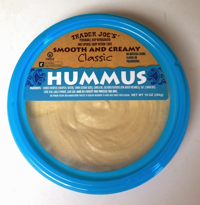



Trader Joe's Olive Tapenade Hummus
Trader Joe'sAnalysis updated August 2026 · How Scout scores
Near you
Trader Joe's is carried at Trader Joe stores. Find one within 25 miles.
At a glance
Summary
This olive tapenade hummus contains beneficial ingredients like chickpeas, tahini, and extra virgin olive oil, which provide healthy fats and nutrients. However, the presence of sunflower oil, a seed oil high in omega-6 fatty acids, and the use of several additives contribute to its ultra-processed nature. Despite some nutritious components, the processing level and inclusion of sunflower oil limit its overall healthiness.
Key ingredients 15
Extra virgin olive oilVery Good
High-quality monounsaturated fat with anti-inflammatory properties. Contains antioxidants that support heart health. Cold-pressed extraction preserves beneficial compounds.
Benefits
Rich in monounsaturated fats that support heart health and provide anti-inflammatory properties. Contains antioxidants like vitamin E and polyphenols that may reduce oxidative stress.
ChickpeasGood
Chickpeas are a good source of plant-based protein and fiber, supporting digestive health. They provide essential nutrients like iron, phosphorus, and folate. Minimal processing retains their nutritional benefits.
Risks
May cause digestive discomfort in some individuals due to oligosaccharides.
Benefits
Rich in protein and fiber, aiding in satiety and digestive health. Contains essential vitamins and minerals.
TahiniGood
Tahini, made from pureed sesame seeds, is rich in healthy fats and minerals like calcium and magnesium. It provides a creamy texture and nutty flavor to foods. The minimal processing of sesame seeds retains their nutritional profile.
Risks
Potential allergen for individuals with sesame allergies.
Benefits
High in healthy fats and minerals, supporting bone health and providing anti-inflammatory benefits.
Manzanilla olivesGood
Manzanilla olives are a source of healthy monounsaturated fats and antioxidants. They contribute to heart health and have anti-inflammatory properties. The curing process enhances their flavor while preserving nutrients.
Risks
High sodium content due to curing process may be a concern for individuals with hypertension.
Benefits
Rich in monounsaturated fats and antioxidants, supporting heart health and reducing inflammation.
Black olivesGood
Black olives provide healthy fats and are rich in vitamin E and antioxidants. They support cardiovascular health and have anti-inflammatory effects. The curing process maintains their nutritional integrity.
Risks
High sodium content due to curing process may be a concern for individuals with hypertension.
Benefits
Contains healthy fats and antioxidants, promoting heart health and reducing oxidative stress.
Dehydrated garlicGood
Dehydrated garlic retains the beneficial compounds of fresh garlic, including allicin, which has antimicrobial and cardiovascular benefits. It adds flavor and health benefits without significant processing. Dehydration preserves its active compounds.
Risks
May cause digestive discomfort in sensitive individuals.
Benefits
Offers antimicrobial properties and supports heart health through active compounds like allicin.
Lemon juiceGood
Lemon juice is a natural source of vitamin C and antioxidants. It enhances flavor and provides health benefits such as immune support. Minimal processing retains its nutritional properties.
Benefits
Rich in vitamin C and antioxidants, supporting immune function and providing a refreshing flavor.
GarlicGood
Garlic is known for its health benefits, including cardiovascular support and antimicrobial properties. It contains allicin, which contributes to its health-promoting effects. Fresh garlic retains its active compounds and flavor.
Risks
May cause digestive discomfort in sensitive individuals.
Benefits
Offers antimicrobial properties and supports heart health through active compounds like allicin.
ThymeGood
Thyme is an herb rich in antioxidants and essential oils that provide health benefits. It adds flavor and has antimicrobial properties. Minimal processing retains its beneficial compounds.
Benefits
Contains antioxidants and essential oils that support health and enhance flavor.
CapersGood
Capers are low in calories and rich in antioxidants, adding flavor and nutritional benefits. They contain quercetin, which has anti-inflammatory properties. The pickling process preserves their nutrients.
Risks
High sodium content due to pickling process may be a concern for individuals with hypertension.
Benefits
Rich in antioxidants and quercetin, supporting anti-inflammatory effects and adding flavor.
Sea saltGood
Sea salt is a minimally processed source of sodium and trace minerals. It enhances flavor and provides essential electrolytes. Unlike refined salt, it retains beneficial minerals.
Risks
Excessive consumption may contribute to high blood pressure.
Benefits
Provides essential electrolytes and trace minerals, enhancing flavor and supporting hydration.
WaterNeutral
Water is a neutral ingredient used as a base or solvent in many food products. It does not contribute any nutritional value but is essential for consistency. No processing concerns are associated with water in this context.
See more about Water →Citric acidNeutral
Citric acid is used as an acidifier and preservative in foods. It is naturally found in citrus fruits and is generally recognized as safe. It helps maintain product freshness and flavor.
Benefits
Helps preserve food and enhance flavor without significant nutritional benefits.
Guar gumNeutral
Guar gum is used as a thickening agent in foods. It is derived from guar beans and is generally recognized as safe. It helps improve texture and stability in food products.
Risks
May cause digestive discomfort in sensitive individuals when consumed in large amounts.
Benefits
Improves texture and stability in food products without significant nutritional benefits.
Sunflower oilVery Bad
Sunflower oil is a seed oil high in omega-6 fatty acids, which can promote inflammation when consumed in excess. It is often highly processed, which can degrade its nutritional quality. Compared to other oils, it lacks beneficial monounsaturated fats.
Risks
High omega-6 content may promote inflammation when consumed in excess.
Processing
Ultra-Processed Foods
Get the full breakdown in the Scout appTake Scout shopping
Scan any product to see lab results, healthy alternatives, and your personalized analysis.
Download on theApp Store GET IT ONGoogle PlayAmazon pricing & content
Amazon price as of . Product prices and availability are accurate as of the date/time indicated and are subject to change. Any price and availability information displayed on Amazon.com at the time of purchase will apply to the purchase of this product.
CERTAIN CONTENT THAT APPEARS ON THIS SITE COMES FROM AMAZON. THIS CONTENT IS PROVIDED “AS IS” AND IS SUBJECT TO CHANGE OR REMOVAL AT ANY TIME.