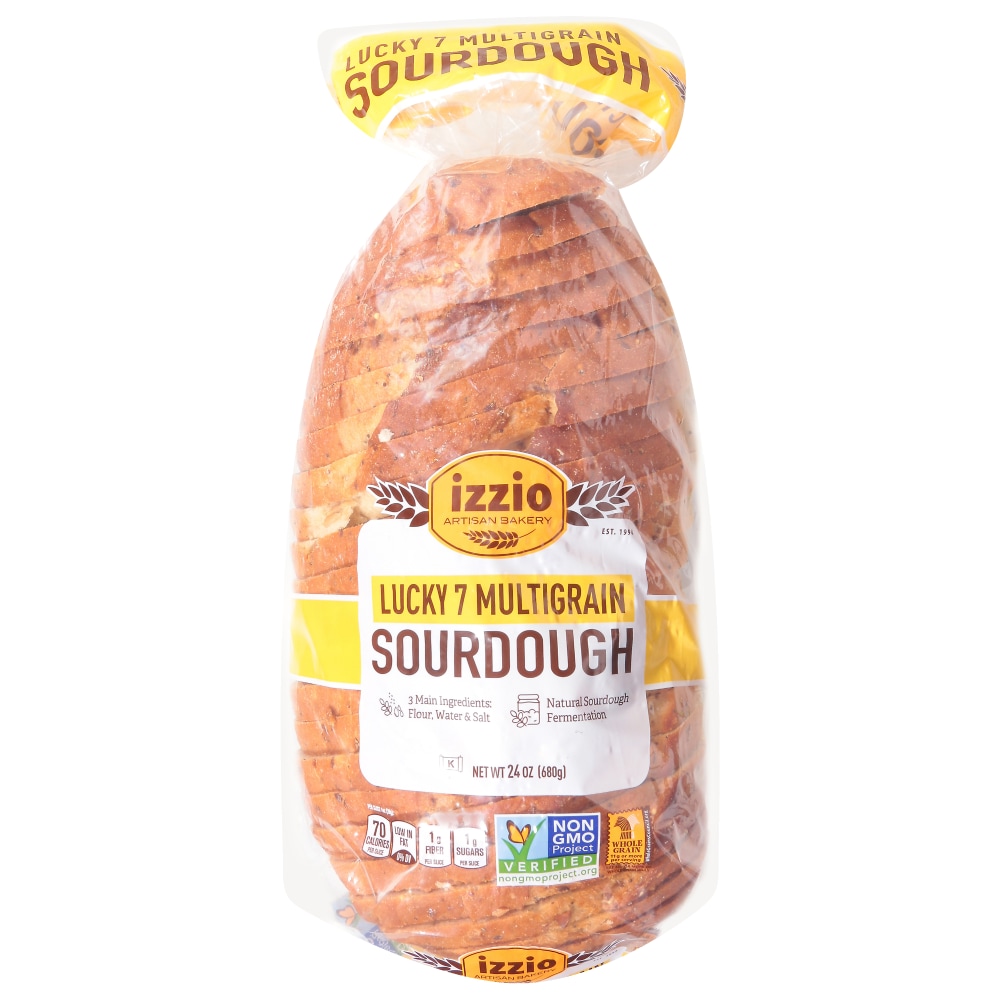
Multigrain Bread
Private Selection
At a glance
Summary
This multigrain bread contains a beneficial mix of whole grains and seeds, which contribute to its fiber and nutrient content. The use of olive oil is a positive aspect, providing healthy fats. However, the presence of refined sugar and the use of enriched flour, which is more processed than whole grain flour, slightly detract from its overall healthiness. The bread is moderately processed, which limits its score despite the presence of several beneficial ingredients.
Key ingredients 15
Olive oilVery Good
Olive oil is a high-quality monounsaturated fat with anti-inflammatory properties. It contains antioxidants that support heart health. Cold-pressed extraction preserves beneficial compounds.
Benefits
Rich in monounsaturated fats that support heart health and provide anti-inflammatory properties. Contains antioxidants like vitamin E and polyphenols that may reduce oxidative stress.
Multigrain blendGood
The multigrain blend includes whole grains and seeds, providing fiber and nutrients. Whole grains are less processed and retain more nutrients than refined grains. This blend enhances the nutritional profile of the bread.
Risks
Potential allergen risk for individuals sensitive to gluten or seeds.
Benefits
Rich in dietary fiber, vitamins, and minerals, supporting digestive health and providing sustained energy.
Sea saltGood
Sea salt is a minimally processed, natural source of sodium and trace minerals. It is less refined than table salt. Provides essential electrolytes for bodily functions.
Risks
Excessive sodium intake can lead to hypertension and cardiovascular issues.
Benefits
Contains trace minerals that may support overall health and electrolyte balance.
Black sesame seedsGood
Black sesame seeds are a nutrient-dense whole food. They provide healthy fats, protein, and minerals. Their inclusion adds nutritional value and flavor to the bread.
Risks
Potential allergen for individuals sensitive to sesame.
Benefits
Rich in healthy fats, protein, and minerals like calcium and magnesium, supporting bone health and metabolic functions.
Apple cider vinegarGood
Apple cider vinegar is a fermented product that may aid digestion. It is used to enhance flavor and preserve freshness. Contains acetic acid, which has potential health benefits.
Benefits
May support digestion and provide antimicrobial properties due to acetic acid content.
Sesame seedsGood
Sesame seeds are a nutrient-rich whole food. They provide healthy fats, protein, and essential minerals. Their inclusion enhances the nutritional profile of the bread.
Risks
Potential allergen for individuals sensitive to sesame.
Benefits
Rich in healthy fats, protein, and minerals like calcium and magnesium, supporting bone health and metabolic functions.
Enriched flourNeutral
Enriched flour is refined wheat flour with added vitamins and minerals. It lacks the fiber and nutrients of whole grain flour. The enrichment process adds back some nutrients lost during refining.
Risks
May contribute to blood sugar spikes due to its refined nature.
Benefits
Provides essential vitamins and minerals such as iron and B vitamins.
WaterNeutral
Water is a basic ingredient used to hydrate and bind ingredients. It is essential for dough formation. It does not contribute any calories or nutrients.
See more about Water →Wheat glutenNeutral
Wheat gluten is a protein that provides elasticity and structure to bread. It is a common ingredient in bread making. It does not provide significant nutritional benefits beyond protein content.
Risks
May cause adverse reactions in individuals with gluten intolerance or celiac disease.
Benefits
Enhances the texture and structure of bread, contributing to its chewiness.
YeastNeutral
Yeast is a microorganism used to ferment and leaven bread. It contributes to the bread's texture and flavor. It does not provide significant nutritional benefits.
Benefits
Facilitates the fermentation process, enhancing the bread's texture and flavor.
Cultured wheat flourNeutral
Cultured wheat flour is treated with beneficial bacteria to improve shelf life. It is similar to regular wheat flour but with added fermentation benefits. It does not significantly alter the nutritional profile.
Benefits
May contribute to improved shelf life and flavor due to fermentation.
Malted barley flourNeutral
Malted barley flour is used to enhance flavor and color in bread. It is a source of enzymes that aid in fermentation. It does not significantly alter the nutritional profile.
Benefits
Enhances flavor and color, contributing to the bread's sensory qualities.
EnzymesNeutral
Enzymes are used to improve dough handling and bread quality. They are naturally occurring proteins that catalyze biochemical reactions. They do not contribute calories or nutrients.
Benefits
Improve dough handling and enhance bread quality without adding calories.
Ascorbic acidNeutral
Ascorbic acid is used as a dough conditioner to improve bread texture. It is a form of vitamin C but used in small amounts for functional purposes. It does not significantly contribute to nutritional intake.
Benefits
Improves dough strength and bread texture, enhancing the final product quality.
SugarBad
Refined sugar is a simple carbohydrate that can contribute to blood sugar spikes. It provides empty calories without nutritional benefits. Excessive consumption is linked to various health issues.
Risks
High intake may lead to weight gain, insulin resistance, and increased risk of chronic diseases.
Processing
Processed Foods
Get the full breakdown in the Scout appTake Scout shopping
Scan any product to see lab results, healthy alternatives, and your personalized analysis.
Are you Private Selection? Fix an error Get the badge Get tested