
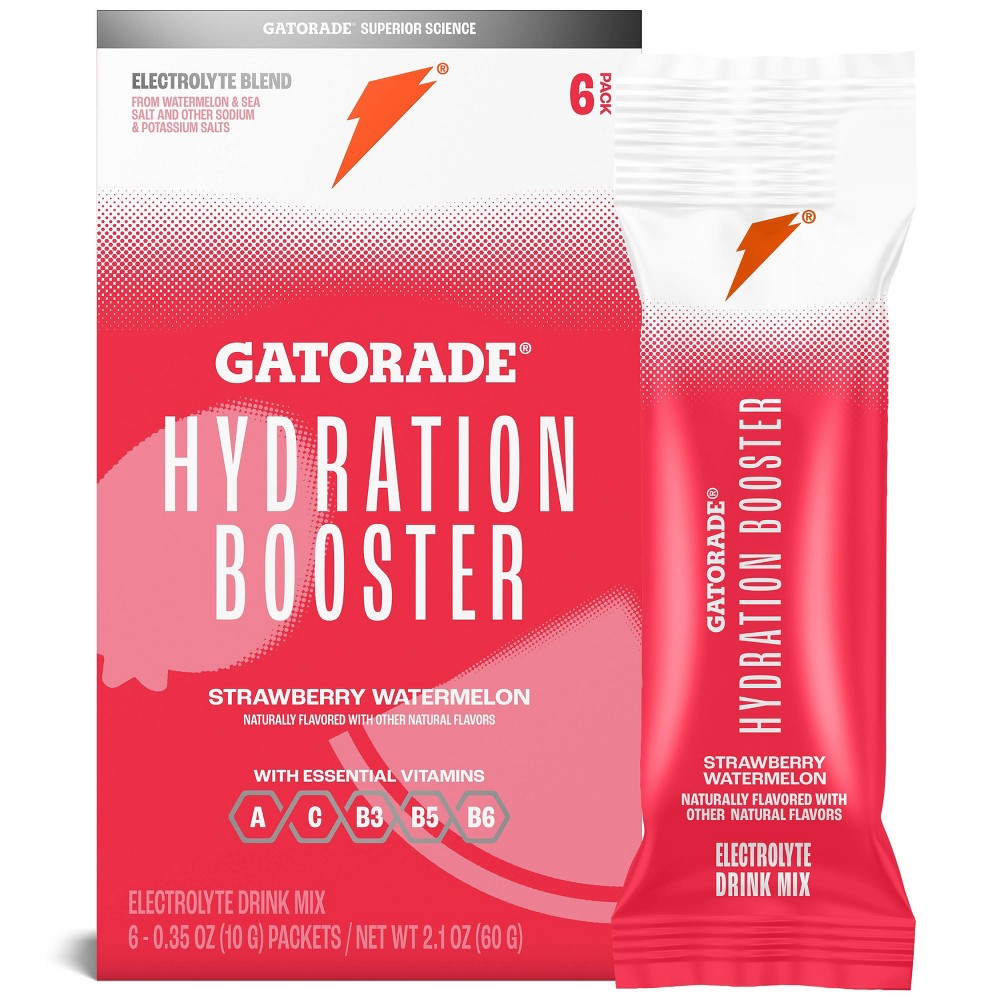




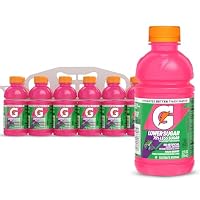

Gatorade Hydration Booster Strawberry Watermelon - 6pk/0.35oz Cans
Analysis updated September 2026 · How Scout scores
At a glance
Summary
This product contains beneficial ingredients like dried watermelon juice and sea salt, which provide natural hydration and essential electrolytes. However, it also includes added sugar and natural flavors, which are processed and offer limited nutritional benefits. The presence of multiple additives, such as gum arabic and silicon dioxide, contributes to a moderate level of processing, impacting the overall score.
Key ingredients 19
Vitamin CVery Good
Vitamin C is an essential nutrient that supports immune function and acts as a powerful antioxidant. It is crucial for collagen synthesis and skin health. It is often added to foods to enhance nutritional value.
Benefits
Supports immune health and acts as an antioxidant, protecting cells from damage.
Vitamin AVery Good
Vitamin A is essential for vision, immune function, and skin health. It is a fat-soluble vitamin that plays a critical role in maintaining healthy vision and immune response. It is often added to foods to enhance nutritional content.
Risks
Excessive intake can lead to toxicity, but this is rare from food sources.
Benefits
Supports vision, immune function, and skin health.
Dried Watermelon JuiceGood
Dried watermelon juice is a natural source of hydration and provides essential nutrients like vitamins A and C. It is minimally processed, retaining most of its natural benefits. The natural sugars present can provide a quick energy boost.
Benefits
Rich in antioxidants and hydrating properties, supporting overall health.
Sea SaltGood
Sea salt is a natural source of sodium and other trace minerals, essential for maintaining electrolyte balance. It is less processed than table salt, retaining more natural minerals. It supports hydration and muscle function.
Risks
Excessive consumption can lead to high blood pressure and cardiovascular issues.
Benefits
Provides essential electrolytes that support hydration and nerve function.
Sodium CitrateGood
Beneficial ingredient — whole-food or functional value in this product class.
Benefits
Helps regulate acidity and improve the stability of food products.
Beta CaroteneGood
Beta carotene is a precursor to vitamin A and acts as an antioxidant. It is naturally found in colorful fruits and vegetables and supports eye health. It is often used as a natural colorant in foods.
Benefits
Supports vision health and provides antioxidant benefits.
Calcium PantothenateGood
Calcium pantothenate is a form of vitamin B5, essential for energy metabolism and the synthesis of coenzyme A. It is water-soluble and supports adrenal function and stress response. It is commonly added to foods to enhance nutritional value.
Benefits
Supports energy metabolism and adrenal function.
NiacinamideGood
Niacinamide is a form of vitamin B3 that supports energy production and skin health. It is water-soluble and plays a role in DNA repair and cell signaling. It is often added to foods to enhance nutritional content.
Benefits
Supports energy metabolism and skin health.
Potassium ChlorideGood
Potassium chloride is a source of potassium, an essential electrolyte that supports heart and muscle function. It is used to replace sodium in low-sodium products. It helps maintain fluid balance and nerve function.
Risks
Excessive intake can lead to hyperkalemia, but this is rare from food sources.
Benefits
Supports heart health and maintains electrolyte balance.
Potassium SaltGood
Potassium salt is used as a sodium alternative to reduce sodium intake while providing essential potassium. It supports cardiovascular health and muscle function. It is beneficial in maintaining electrolyte balance.
Risks
Excessive intake can lead to hyperkalemia, but this is rare from food sources.
Benefits
Supports heart health and helps reduce sodium intake.
Pyridoxine HydrochlorideGood
Pyridoxine hydrochloride is a form of vitamin B6, essential for protein metabolism and cognitive development. It is water-soluble and supports neurotransmitter synthesis. It is often added to foods to enhance nutritional value.
Benefits
Supports brain health and protein metabolism.
Vitamin B6Good
Vitamin B6 is essential for brain development and function, and it helps the body make the hormones serotonin and norepinephrine. It is water-soluble and supports immune function and hemoglobin production. It is often added to foods to enhance nutritional content.
Benefits
Supports brain health and immune function.
Rice Syrup SolidsNeutral
Rice syrup solids are used as a sweetener and provide a source of carbohydrates. They are processed from rice, which may reduce some nutritional value. They offer a mild sweetness without the intensity of refined sugars.
Risks
May contribute to increased blood sugar levels if consumed in excess.
Benefits
Provides a source of energy through carbohydrates.
Citric AcidNeutral
Citric acid is a natural preservative and flavor enhancer found in citrus fruits. It is widely used in food processing for its acidic properties. It helps maintain freshness and enhances flavor without significant health concerns.
Benefits
Acts as a natural preservative and can enhance the flavor profile of foods.
Gum ArabicNeutral
Gum arabic is a natural emulsifier and stabilizer derived from acacia trees. It is used to improve texture and stability in food products. It is generally recognized as safe with minimal processing involved.
Benefits
Helps stabilize and improve the texture of food products.
Purified Stevia Leaf ExtractNeutral
Purified stevia leaf extract is a natural, zero-calorie sweetener derived from the stevia plant. It is used to provide sweetness without adding calories. It is generally recognized as safe with no significant health concerns.
Benefits
Provides sweetness without calories, suitable for low-calorie diets.
Silicon DioxideNeutral
Silicon dioxide is used as an anti-caking agent to prevent clumping in powdered products. It is naturally occurring and generally recognized as safe. It does not contribute any nutritional value.
Benefits
Helps maintain the free-flowing nature of powdered products.
SugarBad
Sugar is a common sweetener that can contribute to increased calorie intake and potential weight gain. It is highly processed and lacks nutritional benefits. Excessive consumption is linked to various health issues such as diabetes and heart disease.
Risks
High intake can lead to obesity, insulin resistance, and dental cavities.
Benefits
Provides a quick source of energy but should be consumed in moderation.
Natural FlavorBad
Natural flavor is a catch-all term for flavoring agents derived from natural sources but can be highly processed. It lacks transparency about specific ingredients used. It is often criticized for not providing nutritional benefits.
Risks
May contain undisclosed additives or allergens.
Benefits
Enhances the flavor of food products without adding calories.
Processing
Processed Foods
Get the full breakdown in the Scout appTake Scout shopping
Scan any product to see lab results, healthy alternatives, and your personalized analysis.
Download on theApp Store GET IT ONGoogle Play