
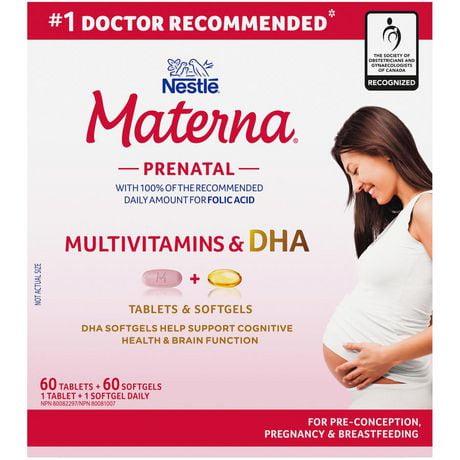

Nestle Materna Prenatal + DHA Omega 3 Softgels 2 x 120 Canadian
Analysis updated August 2026 · How Scout scores
At a glance
Summary
This prenatal supplement contains beneficial ingredients such as fish oil, which provides essential omega-3 fatty acids like EPA and DHA, crucial for heart and brain health. However, the presence of several processed additives, including maltodextrin, mono and diglycerides, and titanium dioxide, raises concerns about the overall formulation quality. Additionally, the use of carmine as a coloring agent may cause allergic reactions in some individuals, impacting the product's overall healthiness.
Key ingredients 34
Fish OilVery Good
Fish oil is a rich source of omega-3 fatty acids, which are essential for brain and heart health. It is derived from anchovy, sardine, and/or mackerel, which are known for their high omega-3 content. This ingredient supports fetal development and maternal health during pregnancy.
Risks
Potential risk of contamination with heavy metals if not properly purified.
Benefits
Provides essential omega-3 fatty acids that support cardiovascular and neurological health.
Docosahexaenoic AcidVery Good
DHA is a crucial omega-3 fatty acid important for brain development and function. It is particularly beneficial during pregnancy for fetal brain and eye development. Sourced from fish oil, it is a high-quality active ingredient.
Benefits
Supports cognitive function and visual development in infants.
Eicosapentaenoic AcidVery Good
EPA is an omega-3 fatty acid that plays a role in reducing inflammation and supporting heart health. It is beneficial for maintaining cardiovascular health during pregnancy. Derived from fish oil, it is a high-quality source of omega-3s.
Benefits
Helps reduce inflammation and supports cardiovascular health.
Dl-alpha-tocopherolGood
Dl-alpha-tocopherol is a synthetic form of vitamin E, an antioxidant that protects cells from damage. It is used in supplements to support immune function and skin health. Although synthetic, it is effective in providing vitamin E benefits.
Benefits
Acts as an antioxidant, supporting immune function and skin health.
TocopherolsGood
Tocopherols are natural forms of vitamin E, an antioxidant that protects cells from damage. They are used in supplements to support immune function and skin health. As natural antioxidants, they provide effective protection against oxidative stress.
Benefits
Acts as an antioxidant, supporting immune function and skin health.
Acacia GumNeutral
Acacia gum is a natural gum used as a stabilizer and thickener in supplements. It is generally considered safe and has minimal impact on health. It is derived from the sap of the acacia tree.
See more about Acacia Gum →Carnauba WaxNeutral
Carnauba wax is used as a coating agent in supplements to provide a glossy finish. It is derived from the leaves of the carnauba palm. It is considered safe for consumption in small amounts.
See more about Carnauba Wax →Cellulose GumNeutral
Cellulose gum is a thickening agent used in supplements to improve texture. It is derived from plant cellulose and is generally recognized as safe. It has no nutritional value but aids in product formulation.
See more about Cellulose Gum →Citric AcidNeutral
Citric acid is used as a preservative and flavor enhancer in supplements. It is naturally found in citrus fruits and is widely used in food products. It helps maintain product stability and freshness.
See more about Citric Acid →Corn StarchNeutral
Corn starch is used as a filler and thickening agent in supplements. It is derived from corn and is commonly used in food processing. It provides no nutritional benefits but aids in product consistency.
See more about Corn Starch →Dicalcium PhosphateNeutral
Dicalcium phosphate is used as a dietary supplement to provide calcium and phosphorus. It is commonly used as a tableting agent in supplements. It supports bone health but is not a primary source of these minerals.
Benefits
Provides calcium and phosphorus, which are essential for bone health.
EthylcelluloseNeutral
Ethylcellulose is used as a coating agent in supplements to control release rates. It is derived from cellulose and is considered safe for consumption. It has no nutritional value but aids in product formulation.
GlycerinNeutral
Glycerin is used as a humectant and sweetener in supplements. It is derived from plant oils and is generally recognized as safe. It helps maintain moisture and improve texture.
See more about Glycerin →Hydroxypropyl MethylcelluloseNeutral
Hydroxypropyl methylcellulose is used as a thickening and emulsifying agent in supplements. It is derived from cellulose and is considered safe for consumption. It provides no nutritional benefits but aids in product consistency.
See more about Hydroxypropyl Methylcellulose →HypromelloseNeutral
Hypromellose is used as a coating and thickening agent in supplements. It is derived from cellulose and is generally recognized as safe. It has no nutritional value but aids in product formulation.
See more about Hypromellose →Iron OxideNeutral
Iron oxide is used as a coloring agent in supplements. It is considered safe for consumption in small amounts. It provides no nutritional benefits but enhances product appearance.
Magnesium StearateNeutral
Magnesium stearate is used as a lubricant in supplement manufacturing to prevent ingredients from sticking to equipment. It is derived from stearic acid and magnesium and is generally recognized as safe. It has no nutritional value but aids in manufacturing efficiency.
See more about Magnesium Stearate →Microcrystalline CelluloseNeutral
Microcrystalline cellulose is used as a bulking agent in supplements. It is derived from plant cellulose and is generally recognized as safe. It has no nutritional value but aids in product formulation.
See more about Microcrystalline Cellulose →Polyethylene GlycolNeutral
Polyethylene glycol is used as a solvent and thickening agent in supplements. It is a synthetic compound and is generally recognized as safe. It has no nutritional value but aids in product formulation.
See more about Polyethylene Glycol →Polyvinyl AlcoholNeutral
Polyvinyl alcohol is used as a film-forming agent in supplements. It is a synthetic polymer and is considered safe for consumption. It provides no nutritional benefits but aids in product formulation.
See more about Polyvinyl Alcohol →Silicon DioxideNeutral
Silicon dioxide is used as an anti-caking agent in supplements to prevent clumping. It is naturally occurring and is generally recognized as safe. It has no nutritional value but aids in product stability.
See more about Silicon Dioxide →Sodium Starch GlycolateNeutral
Sodium starch glycolate is used as a disintegrant in supplements to aid in tablet dissolution. It is derived from starch and is considered safe for consumption. It provides no nutritional benefits but aids in product efficacy.
Stearic AcidNeutral
Stearic acid is used as a lubricant in supplement manufacturing to prevent ingredients from sticking to equipment. It is derived from fats and is generally recognized as safe. It has no nutritional value but aids in manufacturing efficiency.
See more about Stearic Acid →SucroseNeutral
Sucrose is used as a sweetener in supplements. It is a natural sugar and is generally recognized as safe. It provides energy but should be consumed in moderation.
Risks
Excessive consumption may contribute to weight gain and dental cavities.
Benefits
Provides a source of quick energy.
TalcNeutral
Talc is used as a glidant in supplements to improve powder flow during manufacturing. It is a naturally occurring mineral and is generally recognized as safe. It has no nutritional value but aids in manufacturing efficiency.
See more about Talc →Trisodium CitrateNeutral
Trisodium citrate is used as a buffering agent in supplements to maintain pH balance. It is derived from citric acid and is generally recognized as safe. It has no nutritional value but aids in product stability.
See more about Trisodium Citrate →GelatinNeutral
Gelatin is used as a gelling agent in supplements to form capsules. It is derived from animal collagen and is generally recognized as safe. It provides no significant nutritional benefits but aids in capsule formation.
See more about Gelatin →GlycerolNeutral
Glycerol is used as a humectant and sweetener in supplements. It is derived from plant oils and is generally recognized as safe. It helps maintain moisture and improve texture.
See more about Glycerol →Purified WaterNeutral
Purified water is used as a solvent in supplements to dissolve active ingredients. It is free from impurities and is essential for product formulation. It provides no nutritional benefits but is necessary for product consistency.
See more about Purified Water →CarmineBad
Carmine is a red dye derived from cochineal insects, used for coloring. It may cause allergic reactions in some individuals. Its use in supplements is controversial due to its origin and potential allergenicity.
Risks
May cause allergic reactions in sensitive individuals.
MaltodextrinBad
Processed additive flagged under Scout's ingredient doctrine.
See more about Maltodextrin →Modified Food StarchBad
Chemically modified starch additive.
See more about Modified Food Starch →Mono And DiglyceridesBad
Mono and diglycerides are emulsifiers used in supplements to improve texture and stability. They are derived from fats and may contain trans fats, which are associated with negative health effects. Their use is controversial due to potential trans fat content.
Risks
May contain trans fats, which are linked to increased risk of heart disease.
Titanium DioxideVery Bad
Titanium dioxide is used as a whitening agent in supplements. It is controversial due to potential health concerns related to its nanoparticle form. Its use is debated due to potential respiratory and cellular effects.
Risks
Potential respiratory and cellular effects when inhaled in nanoparticle form.
Processing
Ultra-Processed Foods
Get the full breakdown in the Scout appTake Scout shopping
Scan any product to see lab results, healthy alternatives, and your personalized analysis.
Download on theApp Store GET IT ONGoogle Play