
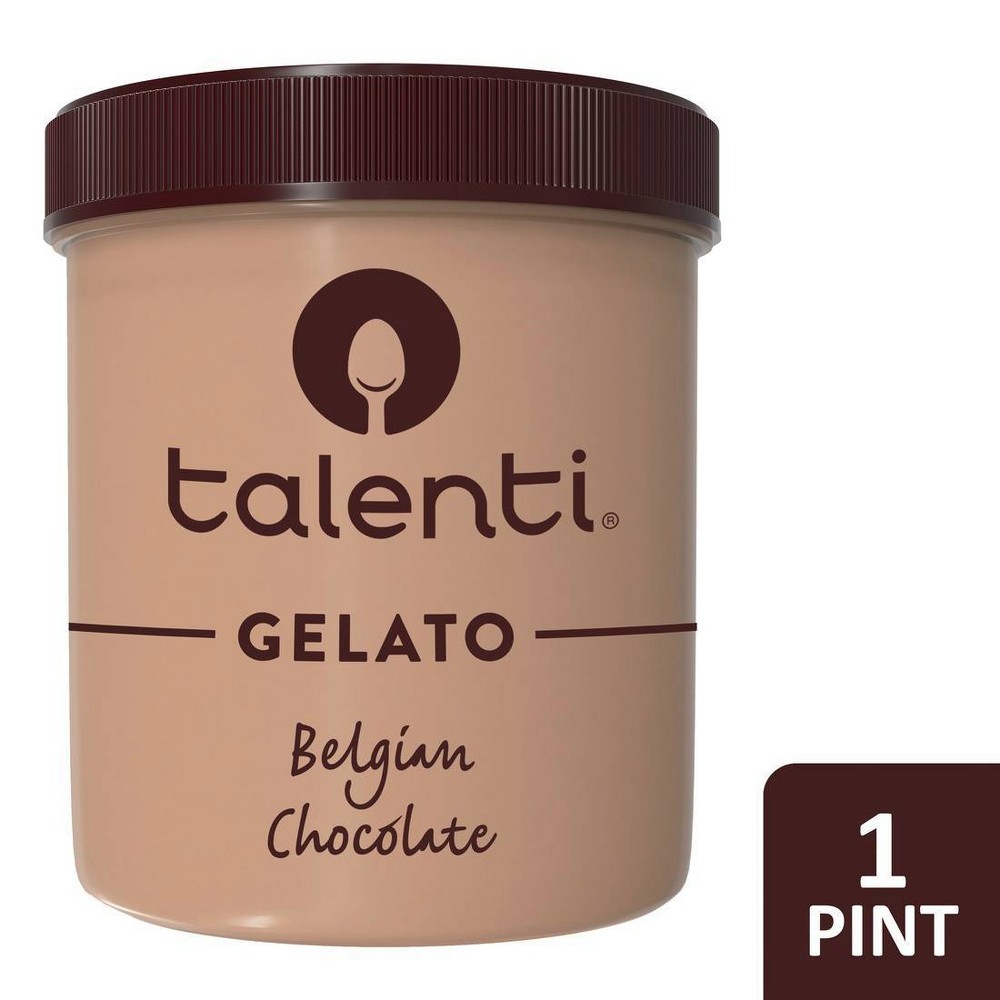





Talenti BELGIAN CHOCOLATE GELATO
Analysis updated June 2026 · How Scout scores
At a glance
Summary
This gelato is ultra-processed, which limits its potential health score. It contains refined sugars and dextrose, contributing to high sugar content, which can lead to health issues if consumed excessively. While it includes some beneficial ingredients like milk and eggs, the presence of additives such as soy lecithin and natural flavors further impacts its rating negatively.
Key ingredients 11
MilkGood
Milk is a source of high-quality protein and essential nutrients like calcium and vitamin D. It is typically pasteurized to ensure safety and extend shelf life. Grass-fed or organic milk may offer additional health benefits.
Risks
Lactose intolerance can cause digestive issues for some individuals.
Benefits
Provides essential nutrients such as calcium, vitamin D, and high-quality protein that support bone health.
CreamGood
Cream is a dairy product rich in fats and fat-soluble vitamins. It is often pasteurized to ensure safety and quality. When sourced from grass-fed cows, it may contain higher levels of omega-3 fatty acids.
Risks
High in saturated fats, which may contribute to heart disease if consumed in excess.
Benefits
Provides fat-soluble vitamins and can enhance the flavor and texture of foods.
Egg and egg yolkGood
Eggs are a source of high-quality protein and essential nutrients like choline and vitamin D. They are often used in culinary applications for their emulsifying properties. Pasture-raised eggs may offer additional nutritional benefits.
Risks
Eggs can be a common allergen and may pose a risk of salmonella if not properly cooked.
Benefits
Rich in high-quality protein and essential nutrients that support overall health.
Cocoa butterGood
Natural traditional fat pressed from cacao.
Risks
High in saturated fats, which may impact heart health if consumed in large amounts.
Benefits
Provides a smooth texture and flavor to chocolate products, with some beneficial fatty acids.
ChocolateNeutral
Chocolate is made from cocoa beans and contains flavonoids with potential antioxidant properties. The quality and health benefits depend on the cocoa content and processing methods. Dark chocolate with high cocoa content is generally more beneficial.
Risks
May contain added sugars and fats, which can contribute to health issues if consumed in excess.
Benefits
Contains flavonoids that may offer antioxidant benefits and support heart health.
Cocoa (processed with alkali)Neutral
Cocoa processed with alkali, also known as Dutch-processed cocoa, has a milder flavor and darker color. The alkalization process reduces acidity but may also decrease flavonoid content. It is commonly used in baking and chocolate products.
Risks
Alkalization may reduce the antioxidant content of cocoa.
Benefits
Provides flavor and color to chocolate products, with some antioxidant properties.
Carob bean gumNeutral
Carob bean gum is a natural thickening agent derived from the seeds of the carob tree. It is used to improve texture and stability in food products. Generally considered safe with minimal health concerns.
Benefits
Improves texture and stability in food products without significant health concerns.
SugarBad
Refined sugar is a high-calorie ingredient with no essential nutrients. Excessive consumption can lead to health issues such as obesity and type 2 diabetes. It is often used to enhance sweetness in processed foods.
Risks
High intake of refined sugar is linked to increased risk of obesity, type 2 diabetes, and dental cavities.
DextroseBad
Dextrose is a simple sugar derived from corn and used as a sweetener. It is rapidly absorbed, leading to quick spikes in blood sugar levels. Often used in processed foods to enhance sweetness and texture.
Risks
May contribute to blood sugar spikes and increased risk of metabolic disorders when consumed in excess.
Soy lecithinBad
Soy lecithin is an emulsifier derived from soybeans, used to improve texture and shelf life in processed foods. It is a highly processed ingredient and may contain traces of soy allergens. Often used in small amounts in various food products.
Risks
May contain soy allergens and is a highly processed ingredient.
Natural flavorBad
Natural flavor is a broad term for flavoring agents derived from natural sources. The exact composition is often undisclosed, leading to potential concerns about transparency and quality. Used to enhance flavor in processed foods.
Risks
Lack of transparency in ingredient composition may pose concerns for individuals with allergies or sensitivities.
Processing
Ultra-Processed Foods
Get the full breakdown in the Scout appTake Scout shopping
Scan any product to see lab results, healthy alternatives, and your personalized analysis.
Download on theApp Store GET IT ONGoogle PlayAmazon pricing & content
Amazon price as of . Product prices and availability are accurate as of the date/time indicated and are subject to change. Any price and availability information displayed on Amazon.com at the time of purchase will apply to the purchase of this product.
CERTAIN CONTENT THAT APPEARS ON THIS SITE COMES FROM AMAZON. THIS CONTENT IS PROVIDED “AS IS” AND IS SUBJECT TO CHANGE OR REMOVAL AT ANY TIME.