Gluten Free Gingerbread Muffin Mix
bettergoods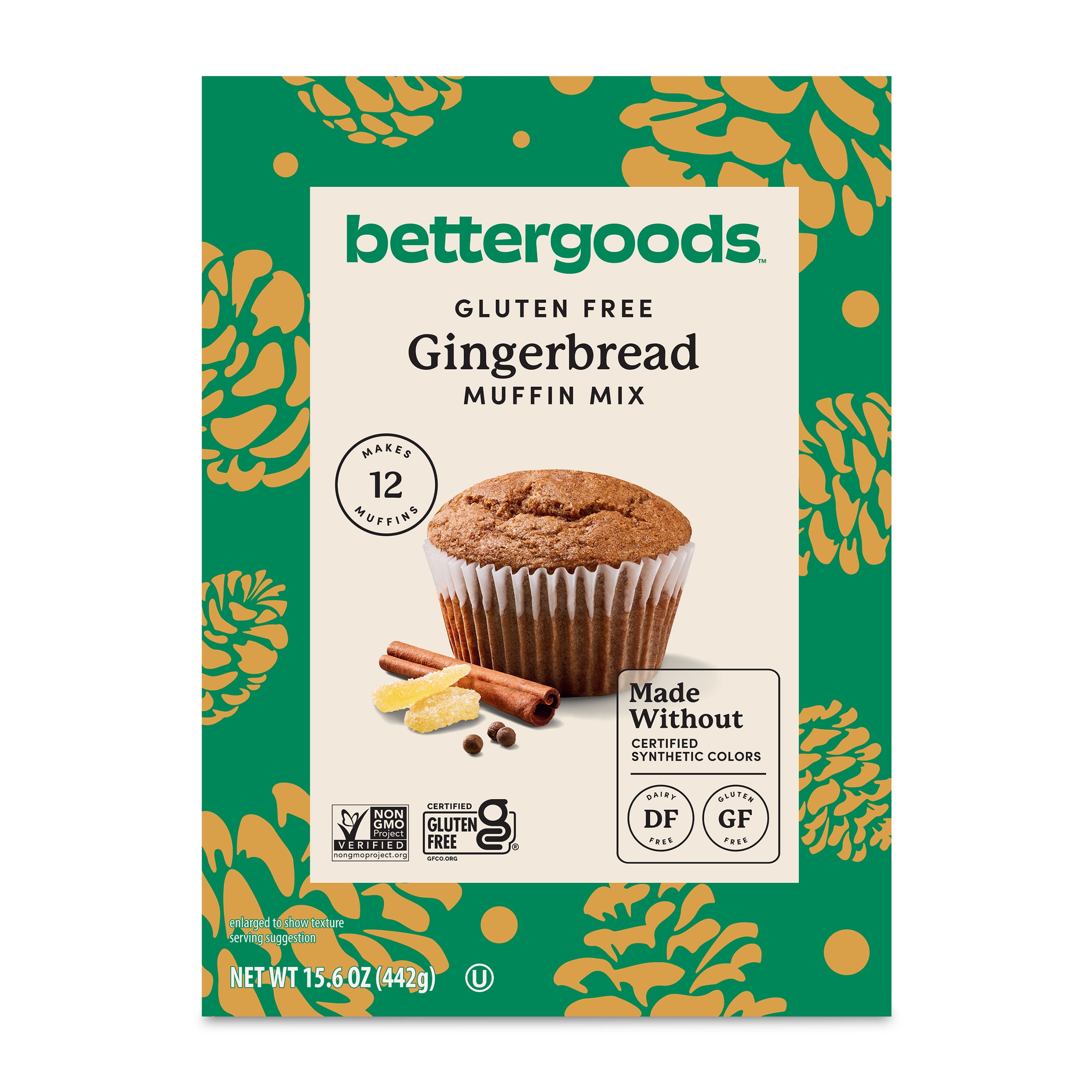
At a glance
Summary
This gluten-free gingerbread muffin mix contains a mix of beneficial spices like cinnamon and ginger, which are minimally processed and offer antioxidant properties. However, it also includes refined cane sugar, which contributes to high sugar content and potential metabolic concerns. The product is moderately processed with a few additives, such as xanthan gum, which impacts its overall healthiness.
Key ingredients 12
Cane MolassesGood
Cane molasses is a byproduct of sugar production, retaining some vitamins and minerals. It is less processed than refined sugar and contains iron, calcium, and magnesium. It provides a rich flavor and color to baked goods.
Risks
High consumption can still contribute to sugar-related health issues.
Benefits
Contains trace minerals and antioxidants that are absent in refined sugars.
AllspiceGood
Allspice is a spice made from the dried berries of the Pimenta dioica plant, offering a complex flavor reminiscent of cinnamon, nutmeg, and cloves. It is minimally processed and contains antioxidants. It adds depth and warmth to baked goods.
Benefits
Rich in antioxidants and may have anti-inflammatory properties.
CinnamonGood
Cinnamon is a spice obtained from the inner bark of trees from the Cinnamomum genus. It is minimally processed and known for its antioxidant properties. It adds flavor and aroma to foods and may help regulate blood sugar levels.
Risks
Excessive consumption may lead to liver damage due to coumarin content in some varieties.
Benefits
Contains antioxidants and may support healthy blood sugar levels.
GingerGood
Ginger is a root spice known for its anti-inflammatory and antioxidant properties. It is minimally processed and used to add flavor and warmth to foods. It may aid digestion and reduce nausea.
Benefits
May help reduce inflammation and support digestive health.
Sea SaltGood
Sea salt is a minimally processed salt that retains trace minerals. It is used to enhance flavor and provide essential sodium. It is considered a more natural alternative to refined table salt.
Risks
Excessive sodium intake can lead to high blood pressure and cardiovascular issues.
Benefits
Provides essential sodium and trace minerals that support electrolyte balance.
Rice FlourNeutral
Rice flour is a gluten-free alternative to wheat flour, commonly used in gluten-free baking. It is made by milling rice grains into a fine powder. It provides carbohydrates but lacks significant protein or fiber.
Risks
May contribute to high blood sugar levels if consumed in large amounts due to its high carbohydrate content.
Benefits
Provides a gluten-free option for those with celiac disease or gluten intolerance.
Potato StarchNeutral
Potato starch is a refined starch extracted from potatoes, used as a thickener and stabilizer in baking. It is highly processed and primarily provides carbohydrates. It lacks significant nutritional value beyond its starch content.
Risks
Excessive consumption may lead to rapid spikes in blood sugar levels.
Benefits
Useful for improving texture and moisture retention in gluten-free baking.
Sweet Brown Rice FlourNeutral
Sweet brown rice flour is made from short-grain brown rice, offering a gluten-free alternative with a slightly sweet flavor. It is less processed than white rice flour and retains some fiber and nutrients. It is used to improve the texture of gluten-free baked goods.
Risks
May cause blood sugar spikes if consumed in large quantities.
Benefits
Provides a source of carbohydrates and some fiber for gluten-free diets.
Tapioca StarchNeutral
Tapioca starch is derived from the cassava root and is used as a thickening agent in gluten-free baking. It is highly processed and primarily provides carbohydrates. It lacks significant nutritional value beyond its starch content.
Risks
Can lead to rapid increases in blood sugar levels if consumed in excess.
Benefits
Enhances the texture and elasticity of gluten-free baked goods.
Baking PowderNeutral
Baking powder is a leavening agent that helps baked goods rise. It typically contains sodium bicarbonate and an acid, such as sodium acid pyrophosphate. It is essential for achieving the desired texture in baked products.
Risks
Excessive consumption of sodium bicarbonate can lead to increased sodium intake.
Benefits
Facilitates the rising process in baking, improving texture and volume.
Xanthan GumNeutral
Xanthan gum is a polysaccharide used as a thickening and stabilizing agent in gluten-free baking. It is produced through fermentation and helps improve texture and consistency. It is generally recognized as safe in small amounts.
Risks
May cause digestive discomfort in sensitive individuals if consumed in large quantities.
Benefits
Improves the texture and stability of gluten-free baked goods.
Cane SugarBad
Cane sugar is a refined sugar that can contribute to increased blood sugar levels and potential weight gain. It is processed to remove impurities, resulting in a high glycemic index. Excessive consumption is linked to metabolic disorders.
Risks
High intake of refined sugars can lead to obesity, type 2 diabetes, and heart disease.
Processing
Processed Foods
Get the full breakdown in the Scout appTake Scout shopping
Scan any product to see lab results, healthy alternatives, and your personalized analysis.
Are you bettergoods? Fix an error Get the badge Get tested