



At a glance
Summary
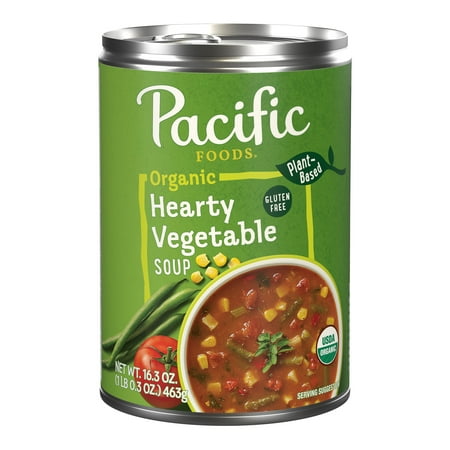
This hearty vegetable soup contains a variety of beneficial ingredients such as tomatoes, carrots, black beans, and spinach, which provide essential nutrients and antioxidants. However, the presence of refined sugar and the ultra-processed nature of the product limit its healthiness. The inclusion of modified food starch and glucono delta-lactone also contributes to its processing level, which impacts the overall score.
Key ingredients 20
TomatoesGood
Tomatoes are a good source of vitamins C and K, potassium, and folate. They contain antioxidants like lycopene, which may reduce the risk of heart disease and cancer. Fresh or minimally processed tomatoes retain most of their nutritional benefits.
Benefits
Rich in vitamins and antioxidants that support overall health and may reduce the risk of chronic diseases.
Tomato PureeGood
Tomato puree is concentrated tomatoes, providing a rich source of vitamins and antioxidants. It retains the beneficial compounds found in fresh tomatoes, such as lycopene. The processing method enhances flavor while maintaining nutritional value.
Benefits
Provides concentrated vitamins and antioxidants, supporting heart health and reducing inflammation.
OnionGood
Onions are rich in vitamins, minerals, and antioxidants, particularly quercetin. They have anti-inflammatory properties and may support heart health. Fresh onions retain most of their beneficial compounds.
Benefits
Contains antioxidants and anti-inflammatory compounds that support cardiovascular health.
CarrotsGood
Carrots are an excellent source of beta-carotene, fiber, vitamin K1, and potassium. They support eye health and may reduce the risk of cancer. Fresh or lightly processed carrots maintain their nutritional benefits.
Benefits
Rich in beta-carotene and fiber, promoting eye health and digestive wellness.
Black BeansGood
Black beans are a good source of protein, fiber, and essential nutrients like iron and magnesium. They support heart health and help regulate blood sugar levels. Their high fiber content aids in digestion.
Benefits
Rich in protein and fiber, supporting heart health and blood sugar regulation.
SpinachGood
Spinach is a nutrient-dense leafy green rich in vitamins A, C, K, and folate. It contains antioxidants and anti-inflammatory compounds. Fresh spinach retains most of its nutritional benefits.
Benefits
High in vitamins and antioxidants, supporting immune function and reducing inflammation.
Olive OilGood
Olive oil is a healthy fat rich in monounsaturated fatty acids and antioxidants. It supports heart health and has anti-inflammatory properties. Cold-pressed extraction preserves its beneficial compounds.
Benefits
Supports heart health and provides anti-inflammatory benefits due to its healthy fat content.
Sea SaltGood
Sea salt is a natural source of sodium and trace minerals. It is less processed than table salt and retains beneficial minerals. It enhances flavor without the need for excessive processing.
Risks
Excessive sodium intake can lead to high blood pressure and cardiovascular issues.
Benefits
Provides essential minerals and enhances flavor with minimal processing.
SpicesGood
Whole-food seasonings, antioxidant-bearing.
Benefits
May provide antioxidants and enhance flavor without adding calories.
Roasted Garlic PowderGood
Roasted garlic powder adds flavor and contains beneficial compounds like allicin. It may support heart health and has antimicrobial properties. The roasting process enhances flavor while retaining some health benefits.
Benefits
Provides flavor and potential heart health benefits due to its active compounds.
WaterNeutral
Water is a neutral ingredient used as a base in many soups and beverages. It serves as a solvent and carrier for other ingredients. There are no health impacts associated with water itself.
See more about Water →ZucchiniNeutral
Zucchini is a low-calorie vegetable with moderate amounts of vitamins and minerals. It provides dietary fiber and antioxidants. Its mild flavor and texture make it a versatile ingredient in soups.
Benefits
Provides dietary fiber and antioxidants, supporting digestive health.
Dehydrated PotatoNeutral
Dehydrated potatoes provide carbohydrates and some vitamins and minerals. The dehydration process reduces water content but retains most nutrients. They are a convenient source of energy in soups.
Benefits
Provides carbohydrates for energy, with some vitamins and minerals retained.
CeleryNeutral
Celery is a low-calorie vegetable with moderate amounts of vitamins and minerals. It provides dietary fiber and has a high water content. Its crisp texture and mild flavor enhance soups.
Benefits
Offers dietary fiber and hydration, supporting digestive health.
Dehydrated Green BeansNeutral
Dehydrated green beans retain some vitamins and minerals found in fresh beans. The dehydration process reduces water content but maintains fiber. They add texture and nutrients to soups.
Benefits
Provides dietary fiber and some vitamins, supporting digestive health.
Glucono Delta-LactoneNeutral
Glucono delta-lactone is used as a food additive for acidity regulation. It is generally recognized as safe and used in small amounts. It helps maintain the desired pH level in foods.
Benefits
Helps maintain acidity and stability in food products.
Onion PowderNeutral
Onion powder is a dehydrated form of onion used for flavoring. It retains some nutrients and antioxidants found in fresh onions. It is convenient for adding onion flavor without moisture.
Benefits
Adds flavor and some antioxidants, supporting overall health.
SugarBad
Refined sugar is associated with increased risk of obesity, type 2 diabetes, and heart disease. It provides empty calories without essential nutrients. Excessive consumption can lead to metabolic issues and dental problems.
Risks
High intake may contribute to obesity, diabetes, and other metabolic disorders.
Modified Food StarchBad
Chemically modified starch additive.
See more about Modified Food Starch →Yeast ExtractBad
Concentrated glutamate source — MSG-adjacent flavor enhancer.
Risks
May contribute to high sodium intake if consumed in large quantities.
Benefits
Provides flavor enhancement and some B vitamins.
Processing
Ultra-Processed Foods
Get the full breakdown in the Scout appTake Scout shopping
Scan any product to see lab results, healthy alternatives, and your personalized analysis.
Download on theApp Store GET IT ONGoogle Play