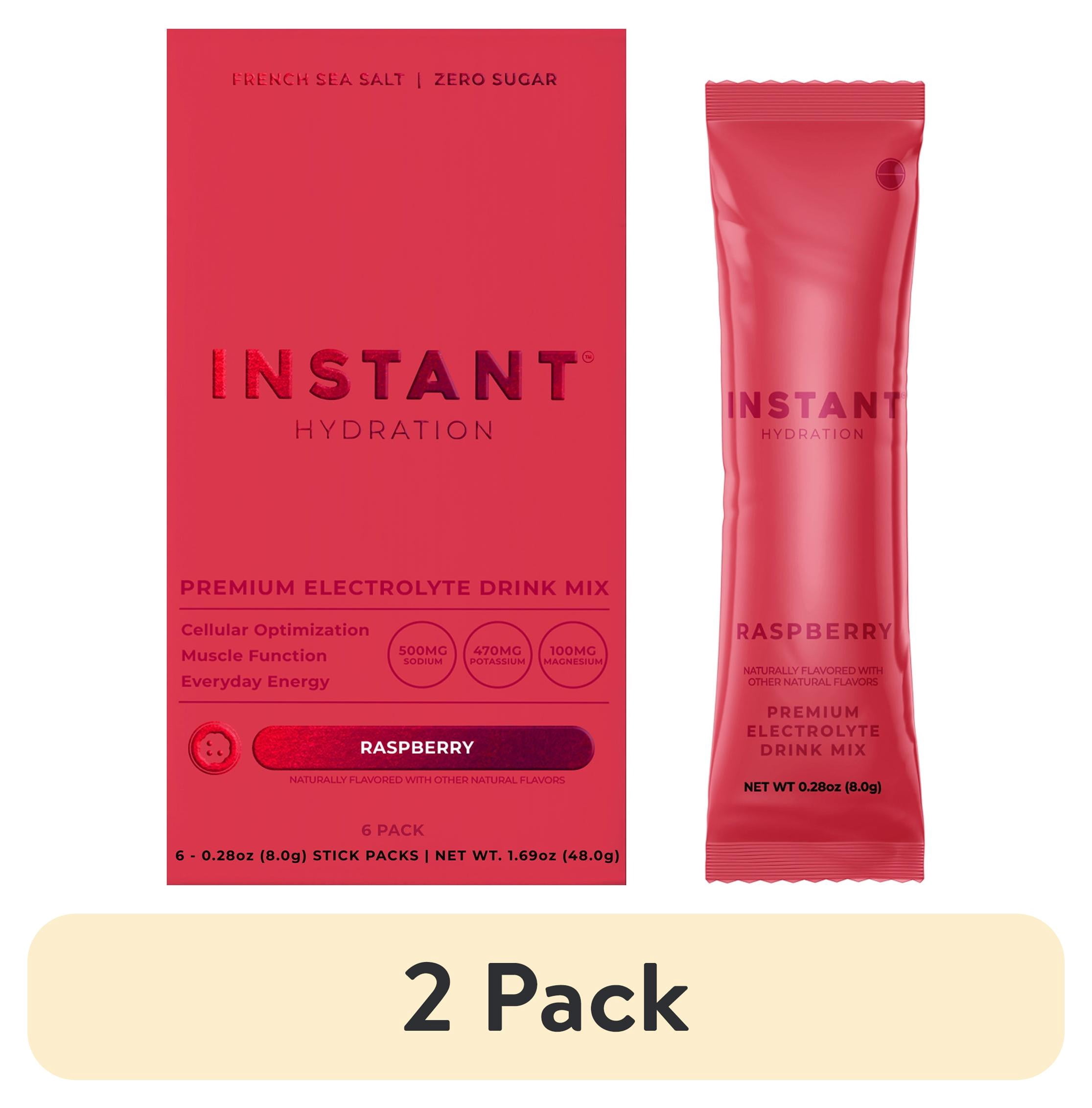
Phizz 3-in-1 Mixed Berry

At a glance
Summary
Phizz 3-in-1 Mixed Berry contains beneficial ingredients like potassium chloride and magnesium citrate, which support electrolyte balance and muscle function. However, the presence of glucose and sucralose, an artificial sweetener, detracts from its overall health profile. The product also includes several additives, which contribute to its moderate processing level, impacting its score. Its plastic packaging can shed microplastics into the product and lowers its score.
Key ingredients 26
Ascorbic AcidGood
Ascorbic acid, or vitamin C, is a powerful antioxidant that supports immune function and skin health. It is essential for collagen synthesis and wound healing. It is a beneficial addition to supplements for its health-promoting properties.
Risks
High doses can cause gastrointestinal disturbances.
Benefits
Supports immune function and acts as a potent antioxidant.
Magnesium CitrateGood
Magnesium citrate is a highly absorbable form of magnesium, essential for muscle and nerve function. It supports bone health and energy production. It is a beneficial ingredient in supplements for its bioavailability.
Risks
Excessive intake can cause diarrhea and electrolyte imbalance.
Benefits
Supports muscle and nerve function and is highly bioavailable.
Magnesium CarbonateGood
Magnesium carbonate is used as a magnesium supplement and antacid. It helps maintain normal muscle and nerve function. It is beneficial for its role in supporting bone health and energy metabolism.
Risks
High doses can lead to gastrointestinal issues.
Benefits
Supports bone health and energy metabolism.
Black Carrot PowderGood
Black carrot powder is a natural coloring agent rich in antioxidants. It provides color without artificial dyes. It is beneficial for its antioxidant properties and natural origin.
Benefits
Rich in antioxidants and provides natural color.
Beetroot PowderGood
Beetroot powder is a natural coloring agent and source of nitrates. It supports cardiovascular health and provides natural color. It is beneficial for its heart health benefits and antioxidant content.
Benefits
Supports cardiovascular health and provides natural color.
Calcium-D-pantothenateGood
Calcium-D-pantothenate is a form of vitamin B5, essential for energy metabolism. It supports adrenal function and the synthesis of coenzyme A. It is beneficial for its role in energy production and stress response.
Benefits
Supports energy metabolism and adrenal function.
NiacinamideGood
Niacinamide is a form of vitamin B3 that supports skin health and energy metabolism. It is involved in DNA repair and cellular energy production. It is beneficial for its role in maintaining healthy skin and energy levels.
Risks
High doses can cause flushing and liver damage.
Benefits
Supports skin health and energy metabolism.
BiotinGood
Biotin is a B-vitamin that supports hair, skin, and nail health. It plays a role in energy metabolism and the synthesis of fatty acids. It is beneficial for its role in maintaining healthy hair and skin.
Benefits
Supports hair, skin, and nail health.
Copper GluconateGood
Copper gluconate is a source of copper, an essential trace mineral. It supports iron metabolism and the formation of connective tissue. It is beneficial for its role in maintaining healthy blood vessels and nerves.
Risks
Excessive intake can lead to copper toxicity.
Benefits
Supports iron metabolism and connective tissue formation.
Pyridoxine HydrochlorideGood
Pyridoxine hydrochloride is a form of vitamin B6, essential for protein metabolism and cognitive development. It supports neurotransmitter synthesis and immune function. It is beneficial for its role in brain health and immune support.
Risks
High doses can cause nerve damage.
Benefits
Supports brain health and immune function.
CyanocobalaminGood
Cyanocobalamin is a form of vitamin B12, essential for red blood cell formation and neurological function. It supports DNA synthesis and energy production. It is beneficial for its role in preventing anemia and supporting nerve health.
Benefits
Supports red blood cell formation and neurological function.
Thiamine MononitrateGood
Thiamine mononitrate is a form of vitamin B1, essential for carbohydrate metabolism. It supports nerve function and energy production. It is beneficial for its role in maintaining healthy nerves and energy levels.
Benefits
Supports nerve function and energy metabolism.
Dl-alpha-Tocopheryl AcetateGood
Dl-alpha-tocopheryl acetate is a form of vitamin E, an antioxidant that protects cells from oxidative damage. It supports immune function and skin health. It is beneficial for its role in protecting cells and supporting skin health.
Risks
High doses can interfere with blood clotting.
Benefits
Acts as an antioxidant and supports immune function.
Zinc OxideGood
Zinc oxide is a source of zinc, essential for immune function and wound healing. It supports DNA synthesis and cell division. It is beneficial for its role in supporting immune health and skin repair.
Risks
Excessive intake can lead to zinc toxicity.
Benefits
Supports immune function and wound healing.
Manganese SulfateGood
Manganese sulfate is a source of manganese, essential for bone health and metabolism. It supports enzyme function and antioxidant defense. It is beneficial for its role in supporting bone health and metabolic processes.
Risks
High doses can lead to neurological issues.
Benefits
Supports bone health and enzyme function.
Retinyl AcetateGood
Retinyl acetate is a form of vitamin A, essential for vision and immune function. It supports skin health and cellular growth. It is beneficial for its role in maintaining healthy vision and immune response.
Risks
High doses can lead to vitamin A toxicity.
Benefits
Supports vision and immune function.
Riboflavin-5-PhosphateGood
Riboflavin-5-phosphate is a form of vitamin B2, essential for energy production and cellular function. It supports antioxidant defense and skin health. It is beneficial for its role in energy metabolism and maintaining healthy skin.
Benefits
Supports energy production and antioxidant defense.
Sodium BicarbonateNeutral
Sodium bicarbonate is commonly used as a leavening agent and to neutralize acidity. It is generally recognized as safe when used in moderate amounts. It does not provide significant nutritional benefits.
Risks
Excessive consumption can lead to alkalosis and electrolyte imbalance.
Benefits
Helps maintain pH balance in the body.
Citric AcidNeutral
Citric acid is a natural preservative and flavor enhancer. It is widely used in food and beverages for its sour taste. It is generally safe but can cause tooth enamel erosion if consumed in large amounts.
Risks
May contribute to tooth enamel erosion with excessive consumption.
Benefits
Acts as an antioxidant and can enhance mineral absorption.
Potassium ChlorideNeutral
Standard formulation ingredient — neither beneficial nor harmful at typical use.
Risks
Excessive intake can lead to hyperkalemia, which affects heart function.
Benefits
Helps maintain proper electrolyte balance and supports cardiovascular health.
Sodium ChlorideNeutral
Sodium chloride, or table salt, is essential for maintaining fluid balance and nerve function. It is commonly used in food for seasoning and preservation. While necessary, excessive intake can lead to hypertension.
Risks
High intake can contribute to high blood pressure and cardiovascular issues.
Benefits
Essential for maintaining fluid balance and nerve function.
Malic AcidNeutral
Malic acid is a natural acid found in fruits, used to enhance flavor and acidity in foods. It is generally recognized as safe and has no significant health risks. It is often used in supplements to improve taste.
Benefits
May improve energy production in cells.
Berry FlavourNeutral
Berry flavor is used to enhance the taste of the product. It is typically a blend of natural and artificial flavors. It does not provide nutritional benefits but improves palatability.
Risks
May contain artificial components that some consumers prefer to avoid.
Benefits
Enhances the taste of the product.
Folic AcidNeutral
Standard formulation ingredient — neither beneficial nor harmful at typical use.
Risks
Excessive intake can mask vitamin B12 deficiency.
Benefits
Supports DNA synthesis and fetal development.
GlucoseBad
Glucose is a simple sugar that can contribute to increased blood sugar levels. It is often used as a sweetener in processed foods. Excessive consumption may lead to health issues such as obesity and diabetes.
Risks
High intake of glucose can lead to weight gain and increased risk of type 2 diabetes.
Benefits
Provides a quick source of energy for the body.
SucraloseBad
Sucralose is an artificial sweetener used to provide sweetness without calories. It is controversial due to potential negative effects on gut health. It is penalized for being an artificial additive.
Risks
May affect gut microbiota and insulin response.
Benefits
Provides sweetness without adding calories.
Processing
Ultra-Processed Foods
Get the full breakdown in the Scout appTake Scout shopping
Scan any product to see lab results, healthy alternatives, and your personalized analysis.
Are you Phizz? Fix an error Get the badge Get tested