
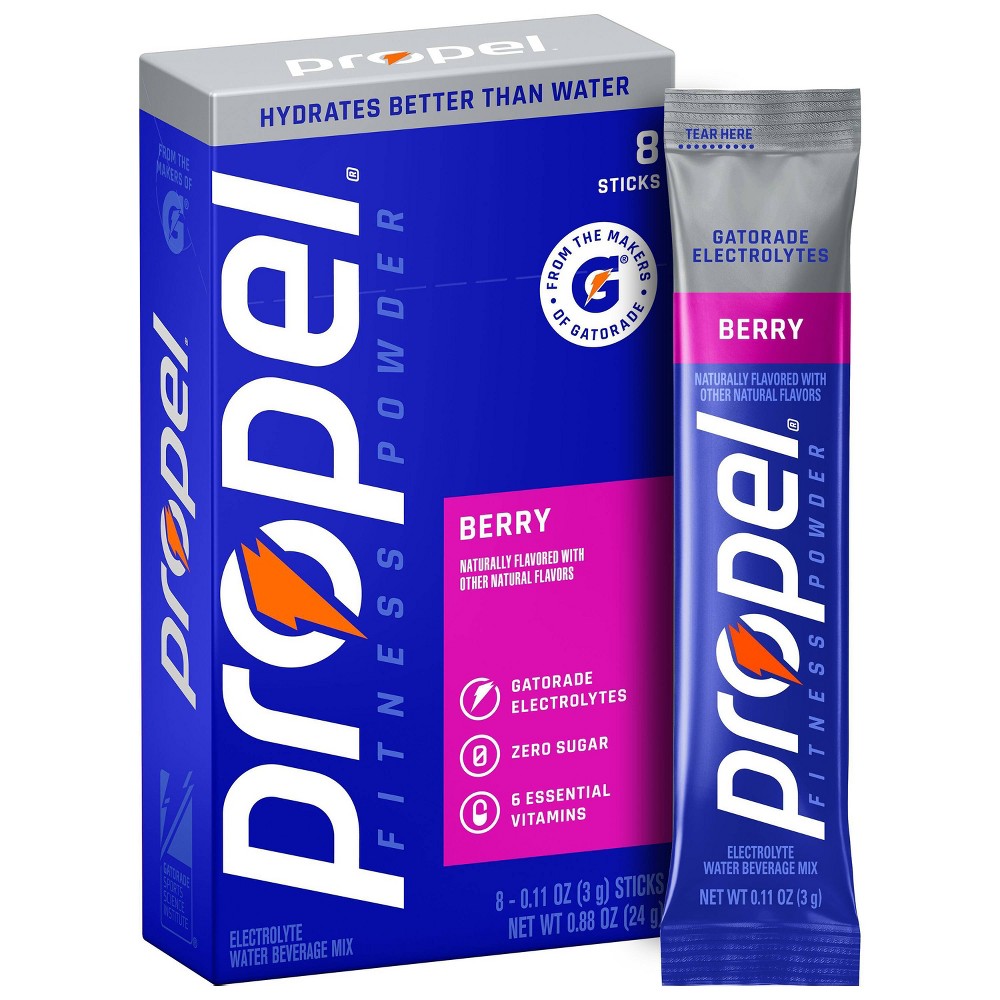


Propel Powder Sticks - Berry - 8ct
Analysis updated August 2026 · How Scout scores
At a glance
Summary
This product contains beneficial vitamins such as B6, B3, B5, B12, C, and E, which support various health functions. However, the presence of sucralose, an artificial sweetener, raises concerns about potential impacts on gut health and insulin response. Additionally, the use of maltodextrin and modified food starch contributes to a moderate level of processing, which affects the overall score.
Key ingredients 15
Monopotassium PhosphateGood
Monopotassium phosphate is a source of potassium, an essential mineral for heart and muscle function. It is used in supplements to provide electrolytes. It supports hydration and muscle function.
Risks
Excessive intake can lead to hyperkalemia, which affects heart function.
Benefits
Provides potassium, supporting heart and muscle function.
Ascorbic AcidGood
Ascorbic acid, also known as vitamin C, is an essential nutrient and antioxidant. It supports immune function and skin health. It is commonly added to supplements for its health benefits.
Benefits
Supports immune function and acts as an antioxidant.
Vitamin B6Good
Vitamin B6 is essential for protein metabolism and cognitive development. It plays a role in neurotransmitter synthesis and immune function. It is beneficial in maintaining overall health.
Benefits
Supports protein metabolism and cognitive development.
Vitamin B3Good
Vitamin B3, also known as niacin, is important for energy production and DNA repair. It helps maintain healthy skin and nerves. It is often included in supplements for its broad health benefits.
Risks
High doses can cause flushing and liver damage.
Benefits
Supports energy production and DNA repair.
Vitamin B5Good
Vitamin B5, or pantothenic acid, is crucial for synthesizing coenzyme A, which is vital for fatty acid metabolism. It supports adrenal function and energy production. It is beneficial for maintaining overall health.
Benefits
Supports fatty acid metabolism and energy production.
Vitamin B12Good
Vitamin B12 is essential for nerve function and the production of DNA and red blood cells. It is crucial for maintaining energy levels and cognitive function. It is often supplemented to prevent deficiency.
Benefits
Supports nerve function and red blood cell production.
Vitamin CGood
Vitamin C is a powerful antioxidant that supports immune health and collagen synthesis. It helps protect cells from oxidative stress. It is commonly included in supplements for its health benefits.
Risks
High doses can cause gastrointestinal discomfort.
Benefits
Supports immune health and acts as an antioxidant.
Vitamin EGood
Vitamin E is an antioxidant that protects cells from damage and supports immune function. It is important for skin health and preventing oxidative stress. It is beneficial in maintaining overall health.
Risks
High doses can interfere with blood clotting.
Benefits
Protects cells from damage and supports immune function.
Citric AcidNeutral
Citric acid is used as a preservative and flavor enhancer in many food products. It is naturally found in citrus fruits and is generally recognized as safe. However, excessive consumption may lead to dental erosion.
Risks
Excessive consumption may lead to dental erosion.
Sodium CitrateNeutral
Sodium citrate acts as a buffering agent and helps maintain pH balance in foods. It is commonly used in processed foods and is considered safe in moderate amounts. It can enhance the flavor profile of the product.
Risks
High sodium intake can contribute to hypertension and cardiovascular issues.
Benefits
Helps maintain pH balance and can enhance flavor.
SaltNeutral
Salt is used to enhance flavor and as a preservative. It is essential for maintaining fluid balance and nerve function. However, excessive intake can lead to health issues such as hypertension.
Risks
Excessive intake can lead to hypertension and cardiovascular diseases.
Benefits
Essential for maintaining fluid balance and nerve function.
Gum ArabicNeutral
Gum arabic is a natural gum used as a stabilizer and thickener. It is derived from the sap of acacia trees and is considered safe for consumption. It can aid in the stabilization of emulsions.
Benefits
Aids in stabilization and thickening of products.
MaltodextrinBad
Processed additive flagged under Scout's ingredient doctrine.
Risks
High glycemic index can affect blood sugar levels.
Benefits
Provides quick energy due to rapid absorption.
Modified Food StarchBad
Chemically modified starch additive.
Benefits
Improves texture and stability in processed foods.
SucraloseBad
Sucralose is an artificial sweetener used to provide sweetness without calories. It is chemically altered from sugar and may affect gut health. Some studies suggest it may alter glucose and insulin levels.
Risks
May affect gut health and alter glucose and insulin levels.
Benefits
Provides sweetness without adding calories.
Processing
Processed Foods
Get the full breakdown in the Scout appTake Scout shopping
Scan any product to see lab results, healthy alternatives, and your personalized analysis.
Download on theApp Store GET IT ONGoogle PlayAmazon pricing & content
Amazon price as of . Product prices and availability are accurate as of the date/time indicated and are subject to change. Any price and availability information displayed on Amazon.com at the time of purchase will apply to the purchase of this product.
CERTAIN CONTENT THAT APPEARS ON THIS SITE COMES FROM AMAZON. THIS CONTENT IS PROVIDED “AS IS” AND IS SUBJECT TO CHANGE OR REMOVAL AT ANY TIME.