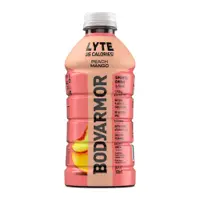
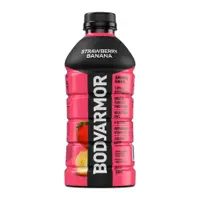
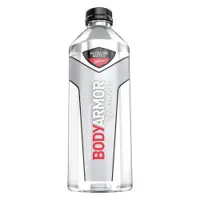
Zero Sugar Lemon Lime
BODYARMOR
At a glance
Summary
This electrolyte supplement contains beneficial ingredients like magnesium chloride and potassium bicarbonate, which support hydration and electrolyte balance. However, it includes sucralose, an artificial sweetener with potential negative effects on gut health, and sodium benzoate, a preservative that can form harmful compounds under certain conditions. The presence of multiple additives and artificial ingredients contributes to a moderate processing level, impacting the overall score. Its plastic packaging can shed microplastics into the product and lowers its score.
Key ingredients 22
Reverse Osmosis WaterVery Good
Reverse-osmosis purified — the filtration tier that removes fluoride, PFAS, nitrates and heavy metals rather than just chlorine taste.
See more about Reverse Osmosis Water →Magnesium ChlorideGood
Magnesium chloride is an electrolyte that helps maintain fluid balance and supports muscle and nerve function. It is a beneficial ingredient in electrolyte supplements. It is easily absorbed by the body, making it an effective source of magnesium.
Benefits
Supports muscle and nerve function and helps maintain fluid balance.
Potassium BicarbonateGood
Potassium bicarbonate is an electrolyte that helps regulate fluid balance and blood pressure. It is beneficial for maintaining proper cellular function. It also helps neutralize acidity in the body.
Benefits
Helps regulate fluid balance and supports cardiovascular health.
Ascorbic AcidGood
Ascorbic acid, or vitamin C, is an essential nutrient that supports immune function and acts as an antioxidant. It is beneficial for overall health and helps protect cells from damage. It also aids in the absorption of iron from plant-based foods.
Benefits
Supports immune function and acts as an antioxidant.
NiacinamideGood
Niacinamide, or vitamin B3, is essential for energy metabolism and skin health. It is beneficial for maintaining healthy skin and supporting cellular energy production. It also helps reduce inflammation and improve skin barrier function.
Benefits
Supports energy metabolism and skin health.
Calcium D-PantothenateGood
Calcium D-pantothenate, or vitamin B5, is important for energy production and the synthesis of coenzyme A. It is beneficial for maintaining healthy skin and hair. It also supports adrenal function and the production of red blood cells.
Benefits
Supports energy production and healthy skin and hair.
Pyridoxine HydrochlorideGood
Pyridoxine hydrochloride, or vitamin B6, is essential for protein metabolism and cognitive development. It is beneficial for brain health and the production of neurotransmitters. It also supports immune function and hemoglobin production.
Benefits
Supports brain health and protein metabolism.
Alpha Tocopherol AcetateGood
Alpha tocopherol acetate, or vitamin E, is an antioxidant that protects cells from oxidative damage. It is beneficial for skin health and immune function. It also helps prevent oxidative stress and supports cardiovascular health.
Benefits
Acts as an antioxidant and supports skin and immune health.
CyanocobalaminGood
Cyanocobalamin, or vitamin B12, is essential for nerve function and the production of DNA and red blood cells. It is beneficial for energy production and neurological health. It also supports cognitive function and prevents anemia.
Benefits
Supports nerve function and energy production.
ErythritolNeutral
Erythritol is a sugar alcohol used as a low-calorie sweetener. It is generally well-tolerated and does not raise blood sugar levels. However, excessive consumption may cause digestive discomfort.
Risks
Excessive consumption may lead to digestive issues such as bloating or diarrhea.
Benefits
Provides sweetness without the calories or blood sugar impact of regular sugar.
Citric AcidNeutral
Citric acid is a natural acid found in citrus fruits, used as a preservative and flavor enhancer. It is generally recognized as safe but can cause tooth enamel erosion if consumed in excess. It adds a tangy flavor to the beverage.
Risks
Excessive consumption may contribute to tooth enamel erosion.
Benefits
Acts as a preservative and enhances flavor without adding calories.
Sodium ChlorideNeutral
Sodium chloride, or table salt, is an essential electrolyte that helps maintain fluid balance. While necessary for health, excessive intake can lead to high blood pressure. It is included in moderation to support hydration.
Risks
Excessive intake can lead to high blood pressure and cardiovascular issues.
Benefits
Essential for maintaining fluid balance and nerve function.
Calcium ChlorideNeutral
Standard formulation ingredient — neither beneficial nor harmful at typical use.
Benefits
Supports bone health and muscle function.
Monopotassium PhosphateNeutral
Monopotassium phosphate is used as an electrolyte and a buffering agent. It helps maintain pH balance and supports energy production. It is generally recognized as safe in moderate amounts.
Risks
Excessive consumption may lead to imbalances in phosphate levels.
Benefits
Supports energy production and helps maintain pH balance.
Magnesium OxideNeutral
Magnesium oxide is a source of magnesium, an essential mineral for muscle and nerve function. It is less bioavailable than other forms of magnesium but still contributes to overall magnesium intake. It is used to support electrolyte balance.
Risks
May cause digestive discomfort in high doses.
Benefits
Contributes to magnesium intake, supporting muscle and nerve function.
Vegetable JuiceNeutral
Vegetable juice is used for coloring and is derived from natural sources. It is generally considered safe and does not contribute significant nutrients. It provides a natural alternative to artificial dyes.
Benefits
Provides natural coloring without artificial additives.
Gum AcaciaNeutral
Gum acacia is a natural gum used as a stabilizer and thickener. It is generally recognized as safe and has minimal impact on health. It helps maintain the texture and consistency of the beverage.
Benefits
Helps stabilize and thicken the product without synthetic additives.
Folic AcidNeutral
Standard formulation ingredient — neither beneficial nor harmful at typical use.
Benefits
Supports DNA synthesis and fetal development.
Natural FlavorsBad
Natural flavors are a catch-all term for flavoring agents derived from natural sources. They lack transparency and can contain a variety of compounds. The lack of specificity makes it difficult to assess their health impact.
Risks
Potential for undisclosed additives or allergens.
Benefits
Provides flavor without adding calories.
SucraloseBad
Sucralose is an artificial sweetener used to provide sweetness without calories. It is controversial due to potential negative effects on gut health and metabolism. Some studies suggest it may alter gut microbiota.
Risks
Potential negative effects on gut health and metabolism.
Benefits
Provides sweetness without adding calories or affecting blood sugar levels.
Potassium SorbateBad
Synthetic preservative — flagged in daily-use products.
Benefits
Helps preserve the product by inhibiting mold and yeast growth.
Sodium BenzoateBad
Sodium benzoate is a preservative that can form benzene, a carcinogen, when combined with vitamin C under certain conditions. It is used to prevent microbial growth but is controversial due to potential health risks. Its safety is debated, especially in acidic environments.
Risks
Potential to form benzene, a carcinogen, when combined with vitamin C.
Benefits
Prevents microbial growth, extending shelf life.
Processing
Ultra-Processed Foods
Get the full breakdown in the Scout appTake Scout shopping
Scan any product to see lab results, healthy alternatives, and your personalized analysis.
Are you BODYARMOR? Fix an error Get the badge Get tested